Analysis

The New World Order: Why the Rise of the Global South Is Reshaping Global Power

From Geopolitics to Geoeconomics: A Defining Moment in World Affairs

The international system is undergoing one of the most profound transformations since the end of the Cold War. The assumptions that shaped global politics for more than three decades—Western dominance, unipolar power, and a rules-based order led primarily by the United States—are increasingly being questioned by emerging realities.

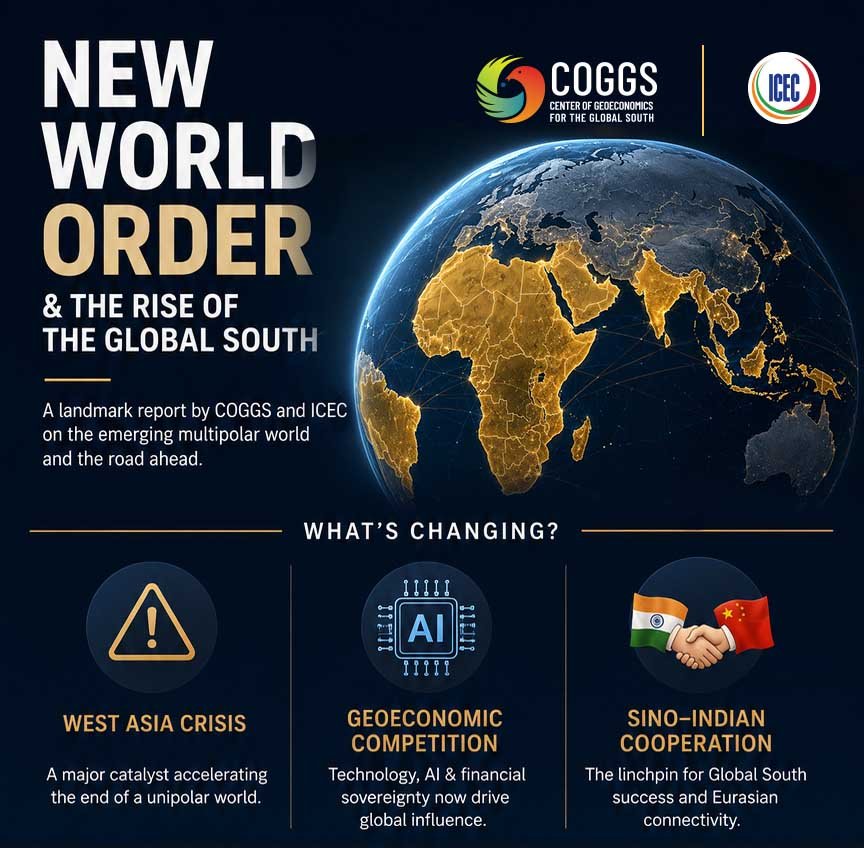
Against this backdrop, the Centre of Geoeconomics for the Global South (COGGS) and the India-China Economic and Cultural Council (ICEC) convened a landmark international dialogue titled.

“The New World Order: Challenges, Transitions, and the Rise of the Global South.” Bringing together diplomats, scholars, defence analysts, economists, 

and policy experts from across Asia, Europe, the Middle East, and Latin America, the discussion sought to answer a critical question: What will the next global order look like, and what role will the Global South play in shaping it?

The consensus was clear: the world is entering a multipolar era where geoeconomics, technological innovation, and regional cooperation increasingly define power.

West Asia Conflict: More Than a Regional Crisis

The ongoing conflict in West Asia has emerged as a powerful accelerator of global change. Participants argued that the crisis is not merely a confrontation involving regional actors but a structural turning point exposing the limitations of existing security arrangements and global governance mechanisms.

Several experts highlighted how the conflict has revealed vulnerabilities within traditional Western alliances while simultaneously creating space for regional actors to pursue greater strategic autonomy. Countries across West Asia are increasingly seeking diversified partnerships, balancing relations among major powers rather than aligning exclusively with one geopolitical bloc.

The discussion also underscored the growing importance of connectivity, diplomacy, and development-oriented cooperation over military confrontation. The future stability of the region, participants argued, will depend less on coercive power and more on inclusive economic development, infrastructure integration, and cooperative security frameworks.

The Shift from Military Power to Geoeconomic Power

One of the most significant themes emerging from the dialogue was the transition from a military-centric world order to one increasingly shaped by geoeconomic influence.

Power today is no longer determined solely by military alliances or battlefield capabilities. Instead, it is increasingly measured through control of supply chains, technological innovation, financial infrastructure, energy networks, artificial intelligence, and digital ecosystems.

The rise of alternative financial systems, expanding regional trade arrangements, and growing efforts to reduce dependence on the US dollar illustrate a broader restructuring of the global economy. Simultaneously, investments in renewable energy, advanced manufacturing, and digital infrastructure are creating new centres of economic gravity across Eurasia, Asia-Pacific, and parts of the Global South.

This transformation reflects a deeper reality: economic resilience and technological sovereignty have become central pillars of national power in the twenty-first century.

Multipolarity Is No Longer a Future Scenario

For many years, discussions about multipolarity remained largely theoretical. Today, they are increasingly grounded in observable realities.

The global economic centre of gravity continues to move eastward. Emerging economies are accounting for a larger share of global growth, while regional organisations and multilateral platforms are becoming more influential in shaping international outcomes.

Experts participating in the dialogue noted that China, India, the Gulf states, Southeast Asia, and several emerging powers are playing increasingly significant roles in global governance, trade, finance, and technology. Rather than a world dominated by a single power, the emerging landscape is characterised by multiple centres of influence operating simultaneously.

This shift does not necessarily imply confrontation. Instead, it presents an opportunity to build a more balanced international system where diverse voices contribute to decision-making processes.

The Global South Moves from Observer to Architect

Perhaps the most transformative development discussed during the forum was the growing agency of the Global South.

Historically, many developing nations were often viewed as passive recipients of decisions made elsewhere. That perception is rapidly changing. Countries across Asia, Africa, Latin America, and the Middle East are increasingly shaping global debates on trade, development, climate action, technology governance, and international finance.

The Global South is no longer simply responding to global events; it is actively influencing them.

Participants emphasized that development, stability, and economic cooperation must take precedence over ideological divisions. As geopolitical competition intensifies among major powers, the Global South has an opportunity to advocate for a more inclusive and equitable international order that prioritizes shared prosperity and sustainable development.

Why India-China Relations Matter to the Future World Order

Among all the themes discussed, none generated greater attention than the future of India-China relations.

Despite geopolitical tensions and persistent trust deficits, experts repeatedly stressed that cooperation between Asia’s two largest economies remains indispensable for a stable multipolar world.

India and China collectively represent more than one-third of humanity. Both are central to global supply chains, technological innovation, renewable energy transitions, and economic growth. Their ability to manage differences while expanding areas of cooperation will significantly influence the trajectory of the twenty-first century.

Economic data already points to substantial interdependence. Growing trade volumes and shared interests within platforms such as BRICS indicate that pragmatic engagement remains possible despite strategic disagreements.

Participants argued that major Eurasian connectivity projects, green technology transitions, and broader Global South initiatives will achieve their full potential only when India and China establish greater strategic trust and cooperation.

Beyond the End of History: Entering the End of Ideology

The dialogue concluded with a powerful reflection on the nature of contemporary global transformation.

The post-Cold War belief that history had reached its final ideological destination has clearly faded. What is emerging instead is a more complex world where countries increasingly prioritize national interests, development objectives, economic resilience, and strategic autonomy over rigid ideological alignments.

The emerging international order resembles a vast and unfinished puzzle. No single country possesses all the pieces. No single model offers all the answers.

The challenge for policymakers, scholars, and leaders across the Global South is not simply to react to change but to shape it.

Conclusion: A Historic Opportunity for the Global South

The transition toward a multipolar world is no longer speculative—it is underway.

The defining questions are no longer whether the global order will change, but how rapidly it will evolve and who will influence its direction.

For the Global South, this moment presents an unprecedented opportunity. By strengthening regional cooperation, investing in technological and financial sovereignty, promoting inclusive development, and supporting constructive diplomacy, developing nations can help build a more balanced and representative international system.

The rise of the Global South is not merely a geopolitical trend. It is one of the defining forces shaping the future of global governance, economic development, and international stability.

As the world navigates this historic transition, the choices made today will determine whether the emerging New World Order becomes a source of greater fragmentation—or a foundation for a more equitable and cooperative future.

The New World Order: Why the Rise of the Global South Is Reshaping Global Power Read Post »

Why US-mediated Congo-Rwanda Peace Deal called a ‘Trade Deal’?

COGGS Contents Team |

UPON REACHING WHITE HOUSE,  Democratic Republic of Congo’s President Felix Tshisekedi is set to sign a deal with his Rwandan counterpart Paul Kagame, aimed at securing peace in eastern Congo on December 4, 2025. The ongoing peace-talks  between Democratic Republic of Congo and Rwanda represent a critically high-impact, yet fragile moment in the region’s decades-long conflict. While facilitated by global powers and driven by strategic economic interests, the viability of the deal is currently undercut by persistent military hostilities, deep seated animosity,  mutual distrust, and unresolved conditionalities concerning armed groups and troop withdrawals. The  Washington-brokered peace initiative, also involving Qatar, has been characterized by powerful geopolitical and economic motivations that arguably give this particular attempt at reconciliation more global weight than efforts made earlier.

Democratic Republic of Congo, the second-largest country on the continent is immensely rich in critical minerals ranging from cobalt, gold, copper, and coltan. These elements  highly are essential for the global production of electronic goods, electric cars, solar panels, and AI data farms. Needless to say,  the US has commercial interests in DRC. 


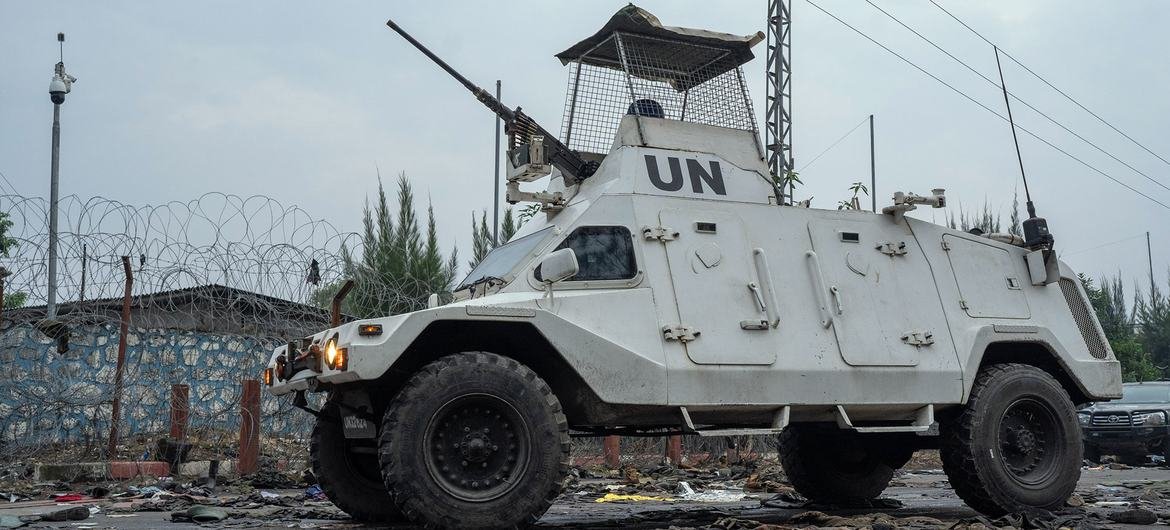
Courtesy: UN News MONUSCO/Aubin Mukoni UN peacekeepers patrol in Goma

The peace deal, which aims to give the US increased access to Congolese natural resources, is seen as a means to incentivize US investment in the country. On the other hand, the US effort as a strategic move to push back against China’s fast march in the mineral market across Africa.

The economic dimension has generated significant controversy, particularly regarding Europe. DRC has accused  European Union of demonstrating a “double standard” by making a 2024 minerals deal with Rwanda. This deal was inked aiming at boosting Europe’s supply of raw materials for hi-tech industries, such as electric car batteries and microchips. The DRC Foreign Minister, Thérèse Kayikwamba Wagner, argued the memorandum of understanding with Rwanda is “void of any credibility” because Rwanda has been accused of siphoning off Congolese resources extracted through brutal conditions of forced labour, including child labour for the purpose of export. The EU has imposed sanctions on certain individuals and a Rwandan gold refiner for fueling the conflict and violating DRC territory, yet has been urged by the DRC to levy much stronger sanctions, similar to those imposed against Russia for its invasion of Ukraine.

The Peace Framework

The peace accord was initially scheduled to be signed by the foreign ministers of the DRC and Rwanda in Washington DC on June 27th, 2025 following three days of talks between delegates. The draft of the peace deal includes specific language on the prohibition of hostilities, respect for territorial integrity, and the disarmament of armed groups. The treaty further contains provisions for the return of refugees with the support of the UN refugee agency UNHCR, and increasing humanitarian aid. A final agreement will be signed by the Presidents of both nations in Washington. Despite subsequent accusations of delay, the DRC presidency scheduled the signing of the final peace deal for December 4th in the US capital. In addition to the US, Qatar, and the African Union are slated to supervise the process, while UN-sponsored peacekeepers are expected to continue their mission to protect civilians.

Despite the official signing of the agreement in June by the DRC’s chief diplomat, the implementation has faltered due to a cycle of mutual recrimination, military activity, and some conditional demands.


Courtesy: UN News

Rwanda’s Position and Demands

Rwandan President Paul Kagame accused the DRC of shelving the signing of the US-mediated peace deal by setting ‘different conditions’ since the June agreement. Rwanda maintains that it will only withdraw its troops from Eastern DRC after the FDLR ( one of the largest foreign armed groups operating in the territory of the DRC) militia is disarmed. Rwanda accuses the DRC of continuing to support the FDLR (a militia  group formed in 2000 by members of ex-FAR and Interahamwe who were responsible for Rwandan genocide). While the DRC Foreign Minister acknowledged that some individuals within the Congolese military (FARDC) might support the FDLR, she asserted that this is not ‘state policy,’ in contrast to the alleged presence of about 4,000 Rwandan troops on DRC sovereign territory, which the DRC considers a blatant state policy violation.

DRC’s Position and Accusations

The DRC Minister of Communication, Patrick Muaya, dismissed the accusation of delay as false and instead blamed Rwanda for refusing to pull its troops out of Eastern DRC. The DRC accuses the Rwandan Defence Force (RDF) of fighting alongside the M23 rebels. A group of UN experts reported that up to 4,000 Rwandan troops were fighting alongside M23 and that the Rwandan military was in ‘de facto control of M23 operations’. The M23 rebels have reportedly seized swathes of DRC territory, several major cities, and are accused of establishing and consolidating a parallel administration.

Challenges to Implementation and Concerns over Justice

The  US and Qatar brokered peace process faces significant skepticism and operational challenges and it further  reflects the failure of many previous attempts at reconciliation where agreements were simply ignored on the battlefield.

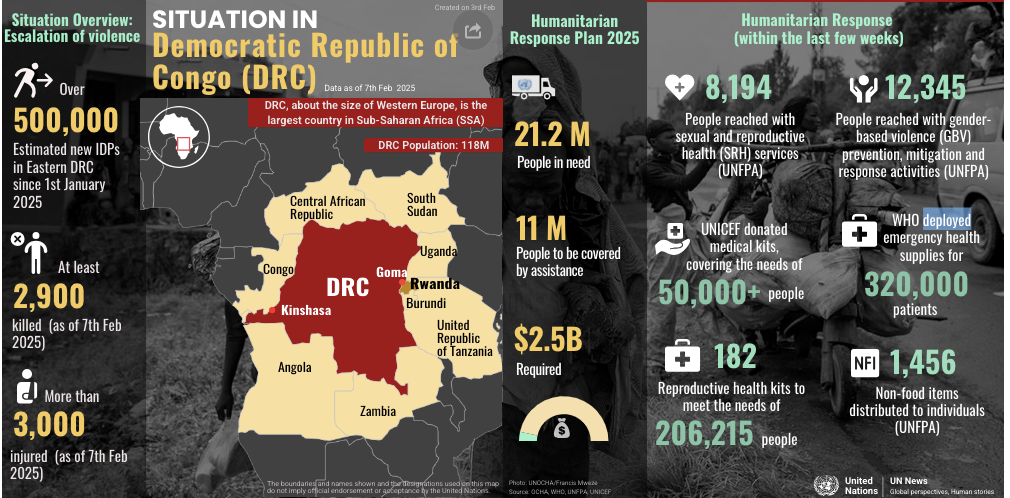
Fights are still going in Eastern DRC despite the peace agreement framework. The hostilities have resulted in a humanitarian crisis, claiming thousands of lives since 2021 and forcing thousands of people to flee their homes. According to the UN, over 7.8 million people are internally displaced in the Eastern DRC region.

M23 Non-Compliance and Impunity:

A crucial challenge is the commitment of the M23. DRC demands the full restoration of state authority and will not accept a prolonged presence of the force. M23 is accused of blocking a UN verification team from operating effectively in occupied areas, hindering investigations into human rights abuses. Furthermore, negotiations over a prisoner swap are stalled because the DRC government refuses to mistake the swap process with impunity for M23 members who committed atrocities like massacres, raping, and looting. DRC maintains that sustainable peace cannot be built on a foundation of impunity.

DRC Foreign Minister has voiced doubt regarding Rwanda’s sincerity, noting that Rwanda still has thousands of troops illegally on DRC territory, ‘looting,’ ‘killing,’ and ‘raping’. She expressed greater trust in the levers and pressure points of the mediators US and Qatar to ensure accountability, noting that a lack of accountability caused previous deals to fail.

The peace talks agreement, despite being termed as historic, has been met with skepticism within DRC, with a former Congolese president calling it ‘nothing more than a trade agreement.’ Furthermore, there is concern that if the process fails to include nationwide buy-in, particularly from local groups, and is confined to deals among political elites, it will not work effectively, as past deals have led to corruption and continued instability. The two presidents presence at White House will reshape the regional politics. Under the pressure, it is expected the two nations will abide by the deal and have lasting impacts in Africa, a sanctuary of armed rebels and reformers.

Why US-mediated Congo-Rwanda Peace Deal called a ‘Trade Deal’? Read Post »

Global South: How Oglesby Coined the Term and Academia Branded it


Andhini Octa Maharatih, Prattyush Kala and Ayanangsha Maitra


PRIOR TO THE EXISTENCE of the term Global South in the vocabulary, the world was divided into three broad identical categories.
The First World consisted of the United States and its Western allies.
The Second World comprised the Soviet Union and its satellite states in the Eastern Bloc.
And the Third World, which represented the liberated, non-aligned, or underdeveloped nations in a fractured century . The term Global South distinguishes geographic regions experiencing economic inequality and the lasting effects of colonialism.


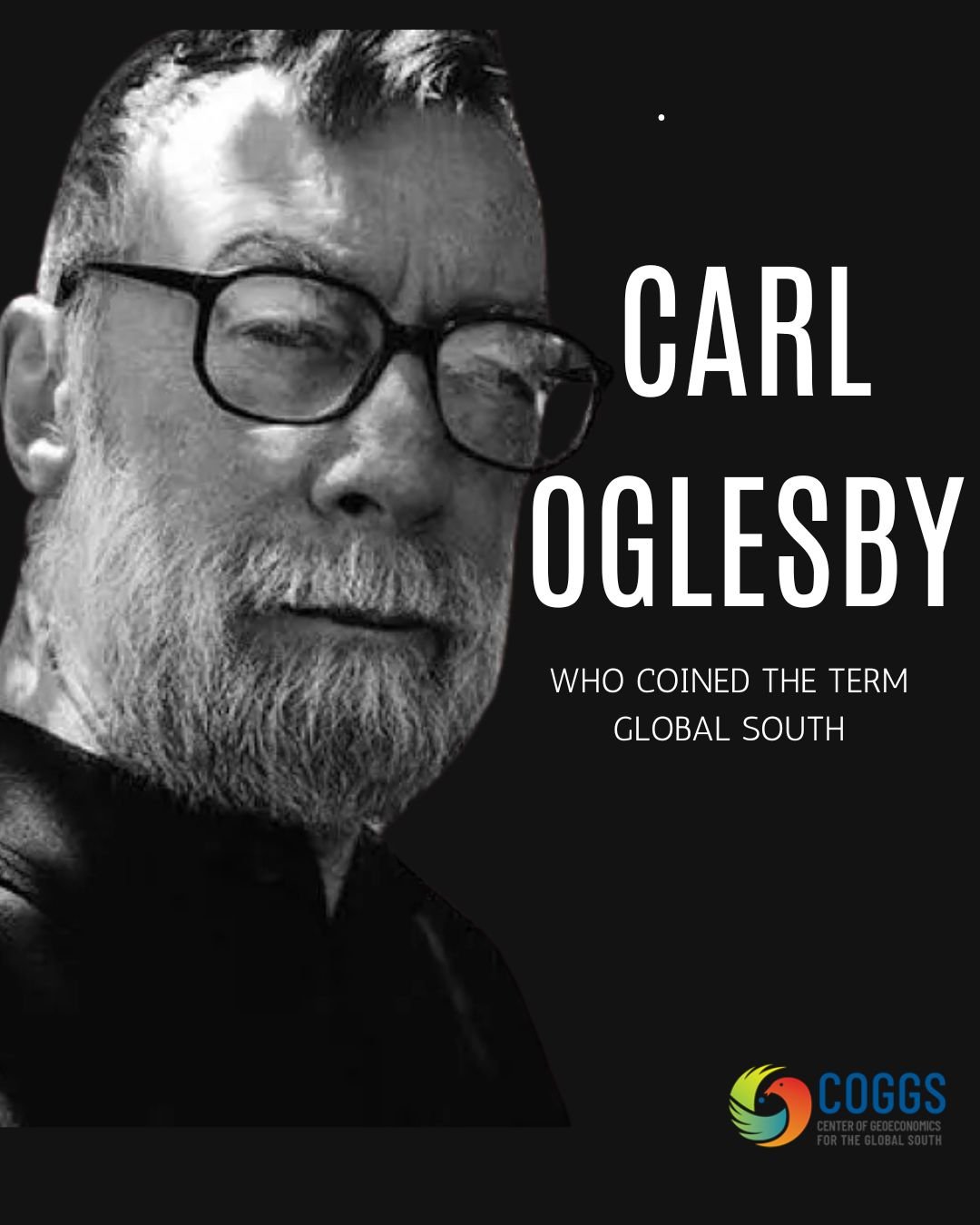
An American playwright turned writer Carl Oglesby coined it during a period of political clarity. The Vietnam War revealed the flaws of American liberalism, and Oglesby – once a technical writer for a defence contractor – became one of its strongest critics. His 1965 speech at the Washington Monument for Students for a Democratic Society combined Southern storytelling with sharp political analysis, arguing that both liberals and conservatives used democratic language to mask imperial ambition.Thus the term Global South became his shorthand for nations harmed by this system- countries shaped by colonialism, extraction, and exclusion.


Oglesby’s intellectual legacy is reflected in works such as Containment and Change (1967, with Richard Shaull), which dissected Cold War liberalism; The Yankee and Cowboy War (1976), a study of elite factionalism in U.S. politics; and Ravens in the Storm (2008), a memoir chronicling the rise and fall of SDS. His vocabulary terms like “imperial liberalism,” “radical centrism,” and “Yankee vs. Cowboy”- unveiled the hidden architecture of American power.

Oglesby highlighted how colonized regions were exploited for resources. The term first appeared in Commonwealth magazine in 1969 and remains relevant today. He went on to argue that the North’s dominance over the Global South had persisted for centuries, peaking during the Vietnam War. More importantly, Oglesby emphasized that the Global South was defined not by geography but by shared political, cultural, and economic inequalities rooted in colonialism.

Initially, the term saw limited use, as many other labels existed at that time. However, after the Cold War, it gained traction among European and American academics who viewed earlier terms as inadequate. The phrase “Global South” grew in popularity when the UN’s 2003 “Forging a Global South” project promoted development cooperation among southern nations to reduce dependence on the North. Since then, it has become a key concept in development and international relations studies, appearing widely in publications and summits to strengthen cooperation among Global South nations.


The Debate Surrounding the Term 

The idea behind the term Global South evolved from debates about underdevelopment caused by colonialism. Geographically, the term refers to nations in the Southern Hemisphere – Africa, Asia, and Latin America – facing economic disparities with the North. Its roots trace back to the term Third World, introduced by  a French demographer Alfred Sauvy in 1952 to describe countries outside the Western (First) and Eastern (Second) blocs during the Cold War. Sociologist Peter Worsley later expanded on it in The Third World: A Vital New Force in International Affairs, detailing non-aligned countries dissatisfied with both blocs’ political systems.


Over time, “Third World” faced criticism for implying dependency and backwardness. As industrialization advanced, alternative classifications emerged—LDCs (Least Developed Countries), LLDCs (Landlocked Developing Countries), and SIDS (Small Island Developing States). Yet, inequalities between North and South persisted. The term Global South gained preference for being more neutral and emphasizing development and geopolitical relations rather than hierarchy.


Carl Oglesby: Personal Life and Professional Work


Carl Oglesby was born in 1935 into a working-class family and experienced class inequality in the US. He began his career as a playwright but later became politically active in Ann Arbor, Michigan, where he joined the Students for a Democratic Society (SDS) and rose to its presidency. Known for his sharp criticism of U.S. policies in Asia, he became an icon of the 1965 anti-war demonstrations following President Lyndon Johnson’s bombing of North Vietnam. His speech “Let Us Shape the Future” marked his prominence as a leader of the anti-war movement.


Throughout his life, Oglesby was often labelled a radical by politicians and academics. His influential book The Yankee and Cowboy War (1976) metaphorically portrayed the “Yankee” as the Global North and the “Cowboy” as the emerging Global South. The book examined Washington’s internal conflicts and high-profile political cases like the deaths of John F. Kennedy and Dorothy Hunt. Oglesby passed away in September 2011 at age 76.


How the Private Enterprises Perceived the Global South

The British imperialism began with the East India company’s activities. The western private enterprises are widely criticized for exploiting the resources of the South. The Global South’s dependence on Northern investment is a hallmark of modern globalization. Multinational corporations (MNCs) often view it as a lucrative opportunity due to abundant resources, affordable labour, and expanding markets. As discussed in Eva Nelson and Martin Fougere’s article “Views on Building Partnerships with Corporations: An Agonistic Struggle in the UN and Beyond,” MNCs regard the Global South as a “goldmine” for investment, exploiting both natural and human resources at low cost—a practice known as offshoring.

While these ventures promise growth, they often perpetuate neo-colonial tendencies, where Northern dominance continues through corporate influence. Private entities maintain their image through Corporate Social Responsibility activities and sustainability programs while benefiting from cheap labour and weak regulation. Despite positive rhetoric about development, many corporations fail to meet Western labour or ethical standards in the Global South.


Today, the Global South has evolved beyond postcolonial critique the term now represents a coalition of low- and middle-income countries asserting agency in global governance. From BRICS summits to climate negotiations, the Global South demands equity, reparative justice, and epistemic recognition. Though criticized for vagueness, the term’s symbolic power endures in a multipolar world. Corporations once viewed the Global South as unstable and marginal but now see it as essential for supply chain resilience, ESG innovation, and digital transformation. With two-thirds of the world’s workers and a growing consumer base, its strategic value is undeniable. Yet Oglesby’s question still resonates: Who gains from this integration, and who sets the rules of exchange?

Revisiting Oglesby’s vision reveals more than a historical term— the term offers a critical lens on power, resistance, and justice. His ideas continue to challenge narratives of dominance and development, reminding us that the Global South is not merely a geography, but a proposition for a more just world.

[ Authors work for COGGS. ]

Global South: How Oglesby Coined the Term and Academia Branded it Read Post »

Bandung to BRICS+: The Evolution of South-South Cooperation

Navodita Kumari

SOUTH-SOUTH COOPERATION has appeared as a defining theme in this era of multipolarity. The United Nations Office for South-South Cooperation (UNOSSC) defines South-South Cooperation (SSC) as “a common endeavour of peoples and countries of the South, born out of shared experiences and sympathies, based on their common objectives and solidarity, and guided by, inter alia, the principles of respect for national sovereignty and ownership, free from any conditionalities.” Started as a common voice against colonialism, imperialism, and oppression, the SSC has now become a major platform through which the Global South countries exchange technological know-how, resources, and best practices to help each other in socio-economic development and growth. The emergence of this Third World solidarity  can be traced back to the Asian-African Conference, and  Bandung conference of 1955. The ‘Bandung Spirit,’ which symbolized the emergence of New Asia and New Africa, was described as “the spirit of love for peace, anti-violence, anti-discrimination, and development for all without trying to intervene for one another wrongly, but to pay a great respect to one another.” It became a guiding light for the emergence of the non-aligned movement (NAM), which allowed the newly emerged nation-states in Asia, Africa, and Latin America to remain free from the Cold War bloc politics and exercise strategic autonomy to safeguard their national interests. Thus, the Bandung Conference and NAM provided the political foundation for SSC, which later transformed into economic cooperation through platforms like the Group of 77 or G-77.


The divergent economic interests of the North and the South that came to the fore during the deliberations of the Preparatory Committee, established to finalise the agenda for the first United Nations Conference on Trade and Development (UNCTAD), became the basis for the emergence of G-77 in 1964. The G-77 marked the institutionalisation of the SSC, which helped in enhancing the negotiating power of developing countries and promoting collective economic interests at the international level and within the United Nations system. The economic upheavals of the 1970s further advanced this agenda, which ultimately resulted in the adoption of the ‘Declaration and Programme of Action on the Establishment of a New International Economic Order’ by the United Nations General Assembly in 1974. Speaking at the Fourth Ministerial meeting of the grouping in 1979, Julius K Nyerere had pointed out that ‘complete liberation of the Third World countries from external domination’ is the very objective of the G-77. The term ‘complete liberation’ meant the end of economic dependence of the developing countries on the industrialised North in every form and the establishment of a fairer international economic order. Thus, while NAM advanced the political and diplomatic freedom of the global south countries, the G-77 echoed the same freedom in the economic domain. Furthermore, the establishment of UNDP’s special unit for SSC in 1974 expanded cooperation and coordination among the developing countries in different arenas. Later renamed as the United Nations Office for South-South Cooperation (UNOSSC), the platform facilitates knowledge sharing and technology transfer, promotes innovative development solutions, and helps implement climate change adaptation funds (such as IBSA and India-UNDP Fund) primarily to ‘enable developing countries to pursue more resilient and sustainable development.’

The latter half of the 1970s and early 1980s saw greater emphasis on enhancing technical cooperation among developing countries (TCDC). These efforts resulted in the first-ever United Nations Conference on TCDC in 1978 in Buenos Aires. The conference adopted the Buenos Aires Plan of Action (BAPA), which ‘sets out a comprehensive conceptual and operational framework for the promotion of TCDC.’ Following this the UN High Level Committee on Technical Cooperation was established in 1980, which in its report titled ‘New Direction for Cooperation Among Developing Countries’ in 1995 highlighted that although TCDC has not been fully integrated into the United Nations system but the concept remains valid and should focus on major themes such as poverty alleviation, production and employment, debt, trade and investment, among others. Thus, BAPA became a guiding light for strengthening cooperation in the technical arena among developing countries.

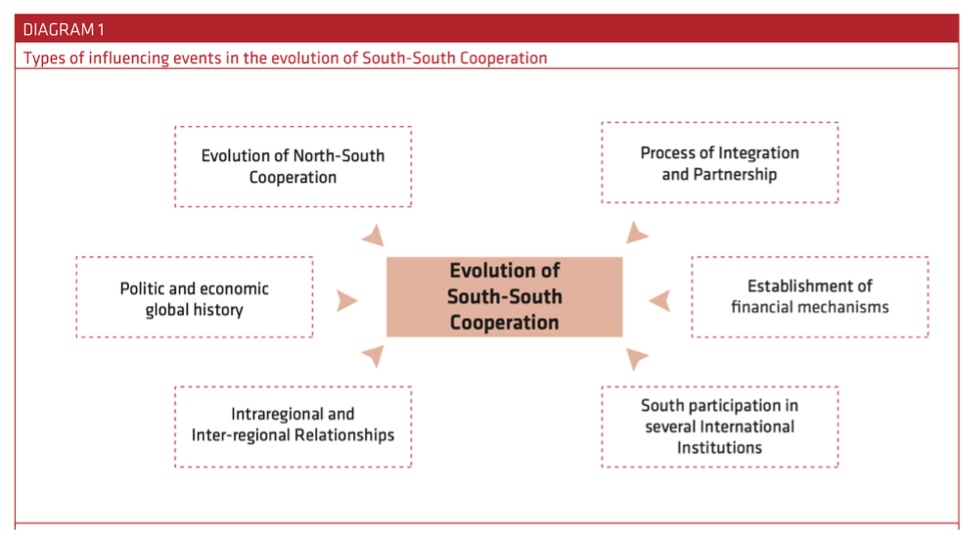
Diagram 1: Evolution of South-South Cooperation


Source: https://cooperacionsursur.org/wp-content/uploads/2020/05/18-DT05-Chrono-South-South2014.pdf#:~:text=in%201990%20resulted%20in%20the%20establishment%20of%20the%20South%20Centre%2C%20an&text=slogan%20on%20South%2DSouth%20Cooperation»11%20(1980)%2C%20«South%2DSouth.

SSC in the Era of BRICS and BRICS+

The post-Cold War era was largely characterised by globalisation and economic liberalisation, and SSC during this period, called ‘SSC 2.0’, shifted towards development cooperation and trade. In this expansionary phase, SSC became more visible with the emergence of groupings and forums such as the IBSA Forum, BRICS, IAFS (India-Africa Forum Summit), etc. Among these, BRICS emerged as the largest platform for enhancing horizontal cooperation by challenging the North-led inequities, particularly in the commercial and financial arena. As raised by the NIEO, the reform in the Bretton Woods system to create a transparent and democratic global economic order has been a key demand of BRICS since its first Summit in 2009. Demands such as a reform in the governance structure of the IMF ‘to increase the quota allotted to developing countries’ and to enhance representation of developing countries in the administrative structure of the World Bank and the IMF have been successful due to greater cooperation among the BRICS countries. However, despite these reforms, BRICS has established its own financial institutions and currency swap arrangements, such as the New Development Bank (NDB) and the Contingency Reserve Arrangement (CRA), largely to reduce dependence on West-led international financial institutions (IFIs).

The BRICS-led NDB was launched in July 2015 to mobilise ‘resources for infrastructure and sustainable development projects in emerging markets and developing countries (EMDCs).’ Since its inception, NDB has financed 108 projects worth USD 35.6 billion in various sectors such as social and digital infrastructure, clean energy, transportation, environmental protection, water and sanitation, creating ground-level impacts in developing countries (see Table 1). To give an example, NDB has financed the ‘Delhi-Ghaziabad-Meerut Regional Rapid Transit System Project’ in India, which has provided a fast and reliable public transport system for people living in surrounding areas and has improved access to education and job opportunities, particularly for vulnerable groups.


Table 1: Project Portfolio by Area of Cooperation in NDB

Area of CooperationUSD Amount
Clean Energy & Energy Efficiency3.026 billion
Transport Infrastructure10.479 billion
Water & Sanitation2.684 billion
Environmental Protection680 million
Social Infrastructure810 million
Digital Infrastructure300 million
Multi-area3.235 billion
COVID-19 Emergency Assistance9.016 billion

Source: https://www.ndb.int/projects/

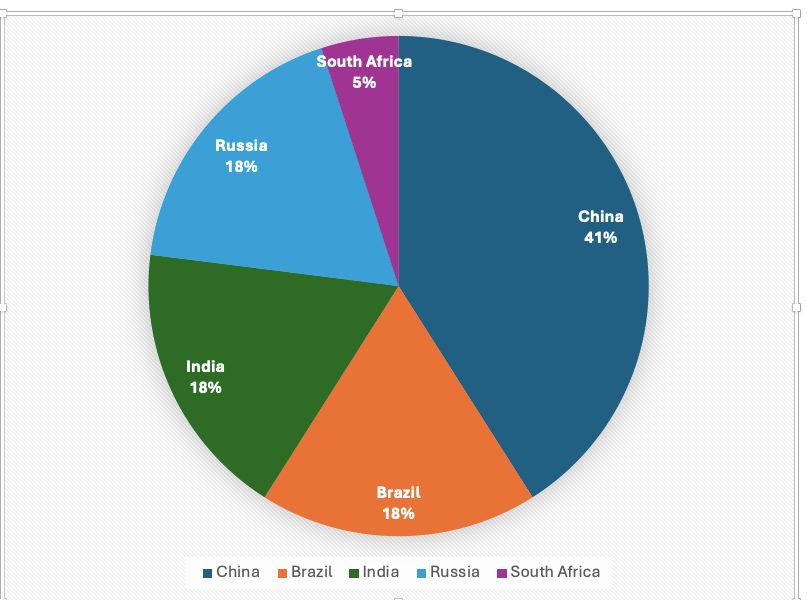
Furthermore, the Contingent Reserve Arrangement has provided a new impetus to the SSC framework by moving towards a transparent economic architecture. Announced in the Durban BRICS Summit, CRA is a ‘USD 100 billion pooled reserve fund (see diagram 2) created to help emerging nations deal with liquidity shortages and to strengthen financial systems during a crisis.’ Established as a regional safety net for developing economies, CRA can provide financial stability to Global South countries from macroeconomic volatility, primarily at a time when reforms in IFIs are moving at a very slow pace. The governance architecture of CRA is quite democratic in nature. Although it resembles the IMF’s quota-based voting distribution for operational decisions, it does not provide veto power to any single entity party to the arrangement, making the environment consensus-driven.

Moving forward, the successful political, economic, and diplomatic coordination among the five BRICS countries has led them to make it more inclusive and multilateral by admitting countries from Southeast Asia and the Middle East and North Africa (MENA) region. The new members, Saudi Arabia, Egypt, United Arab Emirates, Ethiopia, Indonesia and Iran, joined the grouping formally in 2024, representing the mature institutional phase of SSC. Marking an inflection point in the SSC, this expansion would not only help BRICS members present their demands more emphatically at the global stage, but it would also strengthen their aim to move away from the Western-dominated international order. The call for de-dollarization at the 2024 Kazan Summit emphasizes a critical geoeconomic shift in an era where protectionist policies and tariff diplomacy are taking center stage. Accounting for 40% of the world economy and 49.5% of the global population, BRICS nations have vast market potential with a huge consumer base. Thus, BRICS countries have the rigor and diplomatic clout to further strengthen SSC and create a more inclusive, multilateral, equitable, and representative international system where the voice of developing countries is not suppressed under the weight of ‘white man’s burden.’


Diagram 2: BRICS Countries Contribution to CRA


Source: Created by author from https://brics.br/en/about-the-brics/new-development-bank#:~:text=The%20Contingent%20Reserve%20Arrangement%20(CRA,needed%20to%20request%20CRA%20resources.


The transformation of SSC from the Bandung Spirit to BRICS+ has been a remarkable journey representing the resilience and commitment of developing nations to make their voice heard in the almost North-led and North-dominated global order. However, power asymmetry, fragmentation, and competition among the Global South countries are some of the key obstacles in the path of SSC. To succeed in the unequal global system, countries must prioritize cooperation and collaboration instead of competition.


[ Navodita Kumari is an Intern at COGGS and PhD Research Scholar at University of Allahabad, India.

Bandung to BRICS+: The Evolution of South-South Cooperation Read Post »

ASEAN–GCC Relations in Transition: Diplomatic Engagement to Economic Integration

Read and Download the paper: ASEAN–GCC Relations in Transition- Diplomatic Engagement to Economic Integration

Regional cooperation is one of the factors that shapes economy of any country. The awareness of the importance of this cooperation is one of the backgrounds for the establishment of regional cooperation organizations such as ASEAN (Association of Southeast Asian Nations) and GCC (Gulf Cooperation Council). ASEAN (Association of Southeast Asian Nations) is a regional organization that accommodates Southeast Asian countries to enhance economic and security cooperation. ASEAN consists of 10 member countries, including Brunei, Thailand, Indonesia, Cambodia, Philippines, Myanmar, Malaysia, Vietnam, Laos, and Singapore – although Timor Leste is slated to become 11th member. On the other hand, Gulf Cooperation Council (GCC) accommodates 6 Middle Eastern economies. As one of the largest economic blocks in the world, ASEAN cooperates with Saudi Arabia, the United Arab Emirates, Qatar, and other GCC member countries in the spheres of economy, trade, as well as cultural exchange. Although trade and investment activities between ASEAN and Gulf Arab countries have been carried out since the 1970s, the relationship between ASEAN and the GCC was only established in 1990 through the first contact between ASEAN and the GCC. At that time, the Minister of Foreign Affairs of Oman,

Yousuf Bin Alawi as Chairman of the GCC Council of Ministers expressed the GCC’s desire to establish formal relations with ASEAN….

ASEAN–GCC Relations in Transition: Diplomatic Engagement to Economic Integration Read Post »

GCC-Africa Ties: Can Desert Find Comforting Shade of Green?

Ayanangsha Maitra, Prattyush Kala

AS THE STORMS of pragmatic geopolitics unsettle old certainties, their ripple effects—most visible in the soaring prices of essential food across African nations—are compelling the Gulf and Africa to recalibrate their equations. Gulf Cooperation Council (GCC), the phenomenally prosperous hexad, is testing new paths for diversification and influence, making Africa, a prime ground for their engagement, soft power and development as well as capacity building partner. The fastest growing markets, and logistical corridors of Africa offer new possibilities to GCC but the one major generic factor brings the two regions together: the linguistic fraternity. At least 10 nations in the mosaic continent of 54 nations speak Arabic.

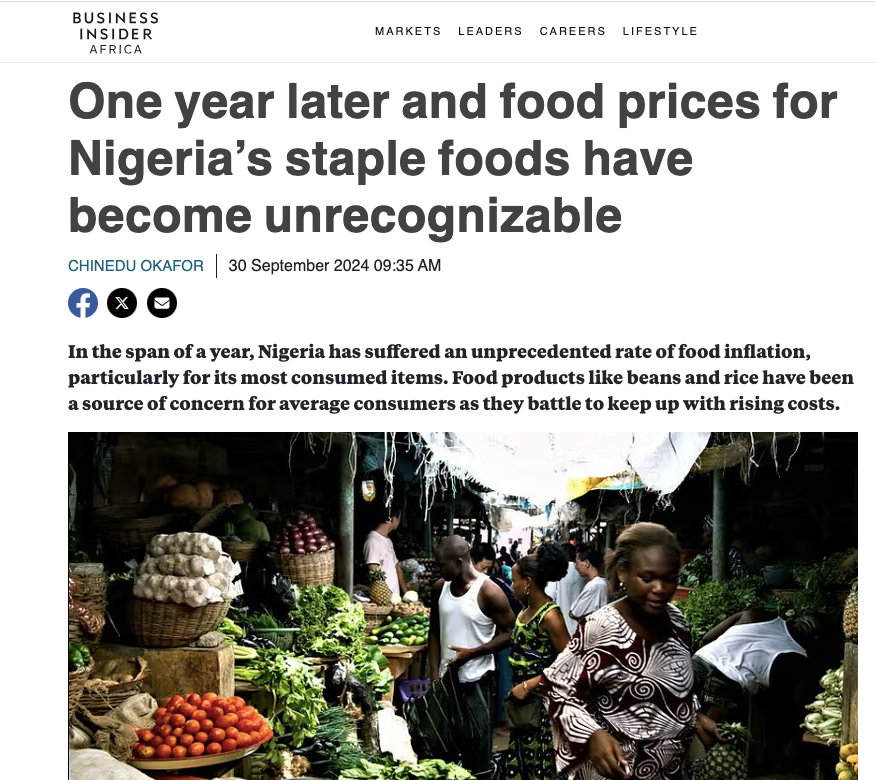
[ Screen grab , Business Insider Africa]
With lack of arable land in the region, Saudi Arabia, the UAE, and Qatar have turned to the  nations across the continent, known for its vast arable as well highly fertile lands not only to secure affordable food supplies but also to stabilize energy flows through investments in solar, wind, and LNG projects.


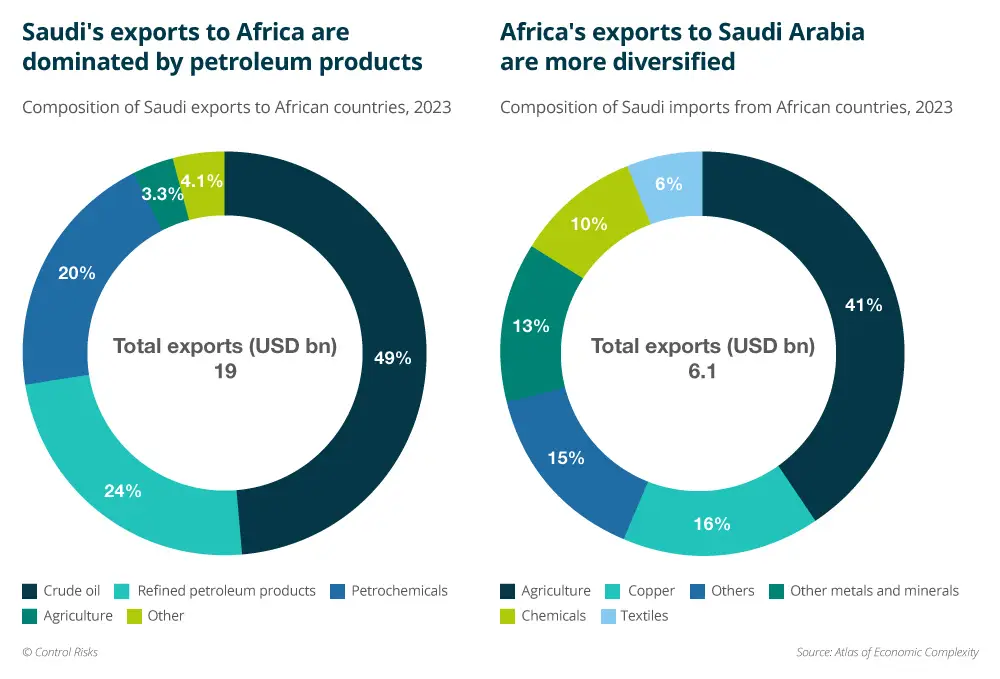
Saudi Arabia’s Export & Import Composition with Africa, 2023
[ Courtesy: Atlas of Economic Complexity and Control Risks ]
Political stability across geographies of Africa remains a priority for GCC. Horn of Africa and Red Sea regions are adjacent to critical maritime routes like Suez Canal. The blue line has been under watch of the GCC. GCC nations have expanded their military bases and increased diplomatic presence to safeguard trade as well as project power. Eritrea (Assab port, leased for 30 years) and Somalia host military bases of  UAE. UAE also runs bases on Socotra and Perim islands in Yemen in order to secure strategic maritime routes like the Bab El Mandeb Strait and the Gulf of Aden, support counter-terrorism, anti-piracy efforts, and provide regional influence through military and economic cooperation.

In the horn region, Saudi Arabia has inked a 92-year contract to build and operate a Saudi Logistics City in Djibouti’s port area. This logistics zone is intended to serve as a major hub for Saudi exports and commerce across Africa. Djibouti port is a critical gateway for African trade, and the logistics zone will provide Saudi Arabia with enhanced access to African markets. 


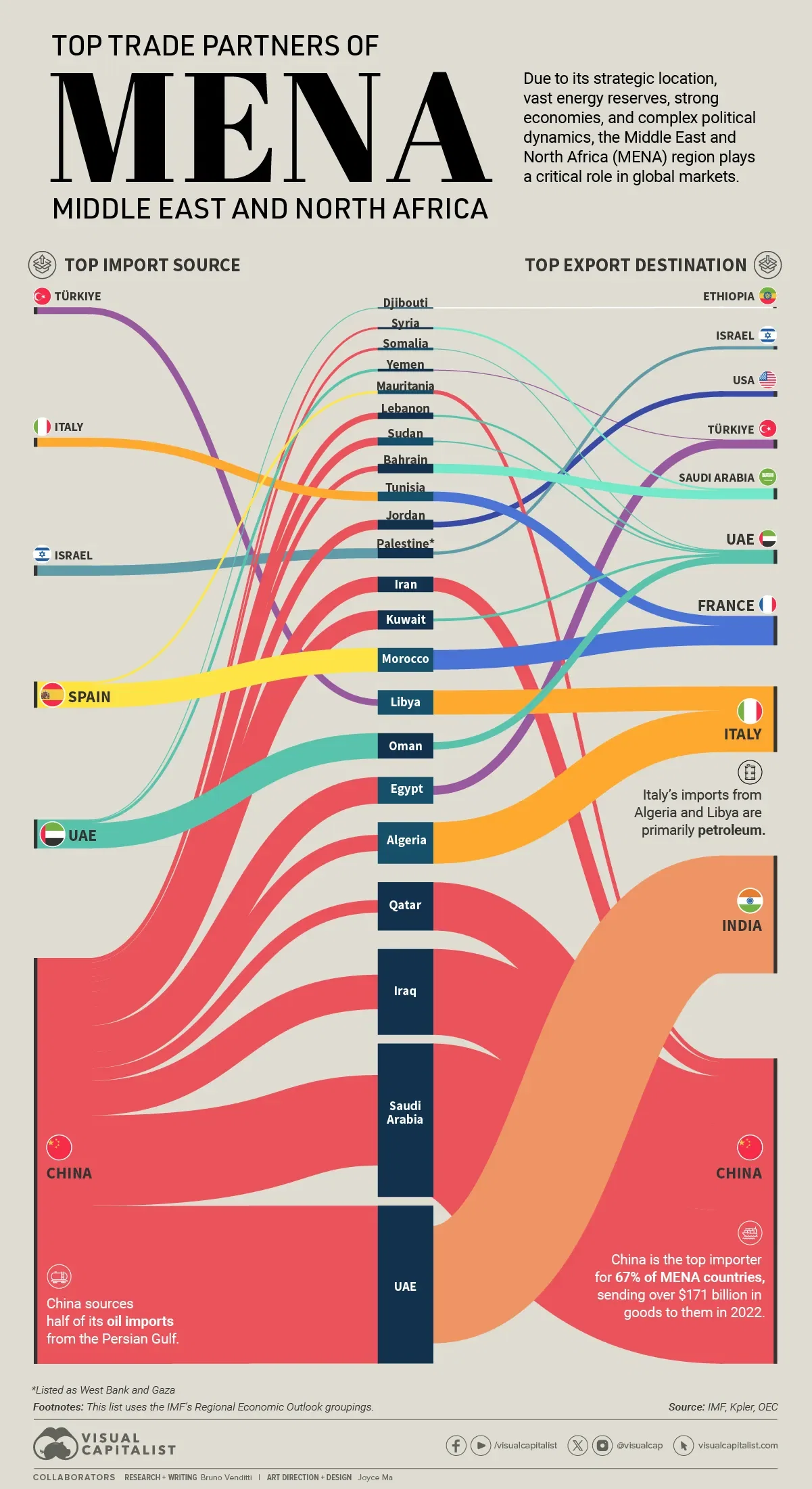
Top Trade Partners of Middle East and North African (MENA) Countries
[ Courtesy: Visual Capitalist]
The cultural dimension is also significant as the bonhomie gets warmer. GCC nations have been funding the building and renovation of mosques, Arab-Islamic centers, and cultural events across Africa. Saudi Arabia, the UAE, Qatar, and Kuwait, have come in the help of Ethiopia, Kenya, Senegal, Sudan, Nigeria, and Egypt for cultural and societal needs. The Gulf’s humanitarian aid efforts in Africa are also highly commendable.

Economic partnership is the forefront of the GCC-Africa ties. Over $100 billion has been invested by GCC countries in Africa in recent years, with the UAE leading at $59.4 billion, followed by Saudi Arabia with $25.6 billion, and Qatar at $7.2 billion. These investments have primarily targeted capacity building in the continent, infrastructure, energy, agriculture, and logistics. In the shipping domain too, GCC has made a significant mark. UAE’s DP World, operates ports in over ten African nations, transforming them into regional trade hubs and creating massive local employment. Saudi Arabia’s ACWA Power has committed $7 billion to several energy projects – which are enabling access to electricity, healthcare, and education.

Saudi Arabia, the UAE, and Qatar have contracted to get access to large tracts of farmland in Ethiopia, Sudan, Kenya, and Tanzania to produce cereals, fruits, and. Saudi Star’s rice farm in Ethiopia  is projected to expand to 500,000 hectares. Gulf  enterprises are also investing in agro-processing units, ensuring value-added food production before export. Complementary infrastructure, including irrigation systems (e.g., Qatar in Senegal, Saudi-funded dams in Mali and Chad) and logistics (e.g., DP World’s ports), strengthens food supply chains.

Africa’s food inflation rate is a significant factor for greater level of cooperation. Horrifying increases in prices for staple items such as cereals, meat, dairy, oils, fruits, and vegetables send shockwaves to households to the political corridor. Global South actors such as Angola, Burundi, Egypt, Ethiopia, Ghana, Kenya, Tanzania, Malawi, Nigeria, Sudan, South Sudan, South Africa, Uganda, Zambia are facing severe food inflation.

At a time edible essential items are hitting hard across Africa,  UAE has invested in livestock, poultry, fish processing, and date palm cultivation in Egypt, leveraging the country’s global leadership in date production. Saudi Arabia, through SALIC, has acquired significant stakes in Olam Agri Holdings, with Egypt as a key node. The $5 billion injection from the Saudi Public Investment Fund into Egypt in 2025 underscores the Gulf’s long-term commitment to agribusiness, infrastructure, and food processing. Egyptian ministries are streamlining policies to facilitate such investments, while promoting joint ventures, tech collaboration, and regional food security strategies involving Egypt, the UAE, Jordan, and Iraq.

Nevertheless, triangular partnerships between GCC, South Asia, and Africa are  emerging. In these arrangements for food security and economic integration, South Asia provides agri-tech and expertise, Africa offers land and labour, and the GCC supplies capital and logistics. The partnership is growing into other sectors, including mining (e.g., lithium in Zambia), tourism, real estate, and industrial development.

Saudi Arabia and UAE have earned reputation in several African defence headquarters, by offering professional military training. The gulf nations are active in conflict mediation, as seen in Qatar’s involvement in Chad and the Congo-Rwanda peace talks. Furthermore, GCC are engaging with the African Union and AfCFTA to influence policy and trade standards across the continent.

Regional conflicts dent Middle East performance in 2025 Soft Power Index | Arab News

Yet, these challenges weigh heavily on the capitals of both the GCC nations and African states. Political instability in several African states, including military-led governments, sovereignty concerns around land acquisitions and foreign military presence, and competition from other global actors like China and EU pose risks. In an era of multipolarity and coalition, areas of cooperation are emerging faster. These may range from port access for landlocked African nations, development of healthcare and education infrastructure, industrial investments in critical minerals and hydrocarbons, upskilling African youth for Gulf labour markets, easing migration and visa policies, to spheres of technological collaboration in climate-resilient agriculture.

Being the bridge nation between the two, Egypt comes into the scene with big prospects and bigger dreams. Strategically located at the intersection of Africa, the Middle East, and Europe, the resurgent economy offers Gulf investors access to COMESA and AfCFTA markets, while the Suez Canal facilitates efficient trade flows. GCC sovereign wealth funds – such as Saudi Arabia’s PIF and UAE’s ADQ – have invested billions in Egyptian companies and infrastructure, using the country as a launchpad into Africa. Egypt’s strong diplomatic ties with both the GCC and African nations further position it as a mediator and platform for development collaboration. Through the Egyptian Agency of Partnership for Development (EAPD), Gulf-backed aid and technical assistance are channelled into African development initiatives.

GCC-Africa bonhomie goes far beyond cultural affinity. It is emerging as a strategic recalibration that integrates economic ambition with geopolitical foresight, development diplomacy, and shared aspirations for stability.

Security cooperation is strengthening, but food security remains the decisive front where futures will be won or lost. Africa’s fertile lands and growing agricultural capacity, combined with GCC expertise in agri-tech, fertilizers, irrigation systems, and farmer upskilling, can forge a pathway to mutual resilience. As Africa explores its abundance of Rare Earth Minerals, the Gulf finds yet another opportunity to contribute meaningfully – helping the continent unlock prosperity while diversifying its own economic future in a sanction-disrupted global marketplace.


GCC nations like UAE, with its reputation as a hub for agricultural science and growing ambition as a global AI enabler, is well-positioned to empower Africa with AI Technology. GCC has the ability to upskill African farmers and producers into more productive, applying superior technologies. Saudi Arabia and Qatar, with their deep financial and knowledge resources, can complement this vision by powering Africa’s transitions in energy, connectivity, and mobility – essentials for building a 21st-century knowledge economy.

For GCC nations to cement a constructive role in Africa’s transformation, it must think long-term, prioritize trust-driven partnerships, and align itself with each African nations aspirations. While the two are vocal about South-South cooperation, basics such as food and energy security, and upskilling youths should be kept on top priority in an era to be governed by AI. As robust Global South actors African partners across public and corporate have to learn from the past in order to remain a committed partner of the GCC.

[ Ayanangsha Maitra  and Prattyush Kala work at COGGS. Opinions expressed not necessarily reflect the view of COGGS. ]

GCC-Africa Ties: Can Desert Find Comforting Shade of Green? Read Post »

Will Red-Carpet Treatment to US Goods Boost Indonesia’s Economy?


Dhea Marsha Ananda


THE PROGRESS OF Indonesia‘s international trade is key to economic progress, with a focus on shifting from a commodity-based economy to investment, production, and high-value services through strategic policies. The goal of Indonesia’s economic transformation is to improve international trade ties and solidify Indonesia’s position as a global economic leader by focusing on the development of human resources, energy, infrastructure, transportation, public finance, industry, trade, and agriculture. Indonesia’s international trade growth is also influenced by far sighted economic policy. The closed model of Indonesia’s international trade has given way to a more open, globally linked model that is centered on exports as the world economy changes.


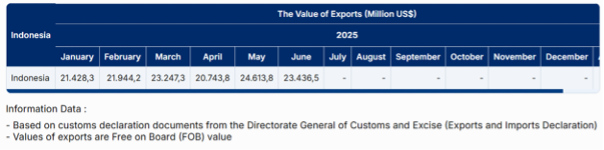
Indonesia’s trade strategy has developed rapidly, with the aim of becoming a competitive and advanced economic power. One of the strategies driving Indonesia’s economy is export-import activities, by reforming tariff policies and increasing export competitiveness. Currently, Indonesia is focusing its efforts on increasing export activities as a strategy to expand its market reach. Specifically in June 2025, Indonesia’s exports saw an increase of 11.29% year-on-year, reaching a total of U$ 23.44 billion, which is higher than the market forecast of 10.41% (Suroyo, 2025). This surge can be attributed to several factors, including:

I. Acceleration of exports in anticipation of US tariff policy

This may occur due to new tariff policies from the US. Indonesia has successfully reached an agreement that reduces US tariffs from 32% to 19%, and exporters are accelerating shipments before the deadline takes effect.

II. Non-oil and gas export performance

III. Commodities such as metal ore, slag, and ash experienced a surge of up to 3,736.49%.

IV. Animal/vegetable fats and oils increased by 22.5%, contributing 2.85%.

V. Precious metals and jewelry rose by 104.44%, contributing 2.59%.

VI. The agriculture, forestry, and fisheries sectors showed an increase of 49.55%.

As a result, exports have achieved positive cumulative growth. As of June 2025, Indonesia’s national export value reached US$135.41 billion, marking a 7.70% increase compared to the same period in the previous year. This growth reflects the strengthening performance of the international trade sector, driven by efforts to optimize export markets and diversify leading commodities.

Tabel 1. The Value of Exports (Million US$), 2025


This happened because of an evaluation of import and export tariffs. In the recent most trade negotiation, Indonesia has eliminated tariffs on more than 99% of US goods and scrap all non-tariff barriers facing American firms. However, there are exceptions for certain products, such as alcoholic beverages and pork, which are specifically excluded from the zero percent tariff provision. The US government reduced import duties on Indonesian goods from 32% to 19% in reaction to this strategy.

The US Census Bureau reports that between January and May 2025, US exports to Indonesia came to $ 4.21 billion, or Rp 67.4 trillion. In comparison, during the same period, U.S. imports from Indonesia reached $13.92 billion, or nearly Rp 222 trillion. In 2024, the United States exported goods worth  $10.15 billion (around Rp 162 trillion) to Indonesia, while its imports from Indonesia amounted to $28.05 billion (approximately Rp 448 trillion). The following 10 biggest non-oil and gas export goods from the United States to Indonesia in 2024 are the target of the 0% tariff policy, according data from the United Nations (UN) Comtrade cited by Trading Economics (July 17, 2025):

I. Seed oil, grains, oleaginous fruits, seeds, and fruits, with a combined worth of $ 1.26 billion (about Rp 20.1 trillion).

II. Boilers, machinery, and nuclear reactors, totaling $1.11 billion (about Rp 17.7 trillion).

III. Organic compounds, which are worth about Rp 14.6 trillion ($ 914.96 million).

IV. Animal feed, residues, and food industry waste, totaling $ 618.06 million (about Rp 9.8 trillion).

V. Spacecraft and aircraft valued at $ 523 million, or roughly Rp 8.3 trillion. 6. Electronic and electrical equipment, valued at around Rp7 trillion ($438.46 million).

VI. Electronic and electrical equipment, valued at around Rp7 trillion ($438.46 million).

VII. Waste, fibrous cellulose products, and wood pulp, valued at $400.76 million (about Rp6.4 trillion).

VII. Equipment for photography, technology, medicine, and optics, worth $ 271.24 million (about Rp 4.3 trillion).

VIII. Food items, dairy products, eggs, and honey, totaling $214.76 million (about Rp 3.4 trillion).

IX. Plastics, valued at around Rp 3.2 trillion ($ 204.36 million).

It is anticipated that imposing zero percent tariffs on certain items will boost market access, boost bilateral trade volume, and promote expansion in key industries in both nations. It can conclude that Indonesia’s 2025 international trade policy transformation is a strategic move toward improving economic competitiveness through tariff policy reforms and export activity optimization.  The 11.29% increase in exports in June 2025 is concrete proof that the national economy may benefit from quicker shipping tactics, commodity diversification, and the performance of the non-oil and gas industry. Mutually beneficial trade relations have been strengthened through bilateral trade cooperation with the United States, which includes the implementation of zero percent tariffs on the majority of commodities, a reduction in US import tariffs on Indonesian goods from 32% to 19%,  Trade data indicating a surplus for Indonesia suggests significant possibilities for further market expansion and Indonesia has the potential to become one of the major economic powers in the world if it adopts a consistent and deliberate approach.


[ Dhea Marsha Ananda is an intern at COGGS. ]

References

Budiman, A. T. (2025). Hit by US tariffs, Indonesia plans to sell shrimp to China instead. PANDEGLANG: Reuters.

Dewi, N. K. (2025). 99 Persen Produk AS Dipatok Tarif 0 Persen Masuk Indonesia. Kok, Bisa? Jakarta: Tempo.com.

Gulo, D. P. (2024). ANALISIS DAMPAK KEBIJAKAN PERDAGANGAN BEBAS ASEAN TERHADAP PERTUMBUHAN EKSPOR INDONESIA KE PASAR ASEAN. Jurnal Ilmiah Ilmu Administrasi Negara , 751-760.

Sudarshan Varadhan, F. N. (2025). Indonesia nickel slump piles pressure on coal miners hit by falling exports. Singapore: Reuters.

Suroyo, G. (2025). Indonesia’s exports rise again in June as U.S.-bound shipments jump. Jakarta: Reuters.

WARDANA. (2024). Indonesia’s Trade Policy Regime amidst Global Challenges. The University of Adelaide SA 5005 Australia, 1-6.


Will Red-Carpet Treatment to US Goods Boost Indonesia’s Economy? Read Post »

ASEAN Economic Integration in the Face of Global Shocks: Towards Sustainable Supply Chains

Andhini Octa Maharatih and  Dhea Marsha Ananda

ECONOMIC INTEGRATION INVOLVES aligning and unifying economic policies between countries by reducing or eliminating tariff and non-tariff barriers, with the primary goal of boosting trade and lowering economic costs. One such example is the ASEAN economic integration that formed the ASEAN Economic Community (AEC). ASEAN economic integration is when  ten member countries join together to form a single market-based economic community with the aim of creating an efficient and integrated single market and production base across all member countries. There are several stages in economic integration:

I. ASEAN Free Trade Area (AFTA): Established in 1992 with the aim of reducing tariffs and non-tariff barriers among ASEAN members. The six member countries began to gradually reduce their tariffs until 2010, when tariffs were reduced to 0–5 percent. Vietnam, Laos, Myanmar, and Cambodia, which joined later, were given additional time until 2015.

II. Complementation of Brand-to-Brand/ASEAN Industrial Cooperation (AICO): This policy has been in effect since 1988 and allows manufacturing companies throughout ASEAN to lower their tariffs. One such industry is the auto parts industry.

III. AEC Blueprint 2015 and 2025: The AEC was formally established at the end of 2015, with the aim of creating a single market and production base for ASEAN member countries. The AEC Blueprint 2025 enhances integration through connectivity, digitalization, inclusion, and regional competitiveness..
IV. Regional Economy and RCEP Regional Comprehensive Economic Partnership(RCEP) was signed in November 2020 by ASEAN together with Australia, China, Japan, South Korea, and other countries. Since January 2022, RCEP will expand trade integration in the Asia-Pacific to cover 30% of the world’s total population and GDP.

The purpose of this economic integration stage is to identify differences in the levels of development and capacity of ASEAN member countries. With this, ASEAN can move from a basic stage of integration to a deeper one with minimal risk and allow time for all ASEAN member countries to adapt.

asean, indo, vietnam, ensign, federal, southeast asia, flag, asean, asean, asean, asean, asean

Additionally, economic integration has a primary scope of a common market, where trade regulations and service standards begin to align. There is also harmonization of priority sectors, meaning ASEAN has selected 12 specific sectors to enhance competitiveness and intra-regional investment. Following that is financial integration, where ASEAN has an ASEAN+3 inter-country savings fund to assist countries in the event of a sudden financial crisis. Lastly, there is the institutional framework or ASEAN’s main rulebook to ensure all countries integrate under clear rules. Besides the rulebook, there are mechanisms to monitor ASEAN’s progress to ensure integration is carried out in accordance with plans and regulations (Menon, 2010).

ASEAN economic integration also faces several challenges and has its advantages. The ASEAN Economic Community has created a single market and a shared product base of more than 600 million consumers, as well as expanding market opportunities for companies within the ASEAN region. Integration also encourages domestic reform in many ASEAN member countries, such as legal transparency, investment climate, and better governance. Additionally, it has positioned ASEAN as a global production and integration hub through the Regional Comprehensive Economic Partnership (RCEP). However, despite the numerous benefits, the ASEAN Economic Community also faces challenges such as economic disparities among member states, for example, the significant differences in GDP per capita among ASEAN members, which hinder policy harmonization and market access. There are also institutional limitations, as ASEAN relies on consensus and lacks a strong central authority, leading to slow policy implementation and inconsistencies across member states. Finally, there are non-tariff barriers such as inconsistent product regulations and trade procedures (Kiyoshi Kobayashi, 2018).

It can be concluded that economic integration creates an open and unified area to expand the market. In a systematic effort to build a Single Market and a unified production base among ASEAN member states, ASEAN economic integration is being implemented in stages. The AEC has enhanced economic opportunities, inclusive growth, and regional competitiveness in ASEAN. However, full success still depends on ASEAN’s ability to address internal issues such as development delays, infrastructure problems, and legal challenges.

Supply Chain  in ASEAN

The supply chain in the ASEAN region is a system of cooperation between ASEAN member countries in effectively managing services, goods, information, and investment. It manages everything from raw materials, manufacturing processes, distribution, to the end consumer (Secretariat, 2023). The supply chain aims to improve ASEAN’s economic competitiveness at the global level by maintaining the smooth flow of trade, especially amid the challenges of the economic crisis. In addition, ASEAN also wants to have a supply chain that is inexpensive, fast, and stable. To achieve these objectives, ASEAN has a framework that serves as its primary guide: efficiency, ensuring that all processes are carried out efficiently without wasting time, costs, or resources. Resilience is also a key component, preparing systems to remain operational even during crises and ensuring that trade continues uninterrupted.

The supply chain in ASEAN can operate effectively due to investment coordination, where each country agrees to jointly fund infrastructure and technology projects. There is also the adoption of new technology, with ASEAN encouraging all parties to use modern technology in logistics and trade. Finally, there is the enhancement of human resource skills by training workers to manage modern logistics systems.

ASEAN’s main focus area currently is digital supply chain innovation, where ASEAN focuses on technology integration for the industrial revolution and the transformation of traditional transformations into digital ones in order to compete globally. Supply chain efficiency and resilience are ASEAN’s main focus in facing current global challenges. The five focus areas currently being developed by ASEAN are cross-border regulation and tariff cost reduction, digital transformation as a form of efficiency and more effective and easy supply chain tracking, ASEAN vertical integration both between companies and between countries to encourage partner trade and improve information exchange in the integrated supply chain, and finally industrial innovation to ensure product quality, durability and efficiency in the regional realm with easy access..

Meanwhile, the five ASEAN strategies and main actions in the regional supply chain include specific digitalization as a strengthening of the ASEAN single window, disaster mitigation policies for supply chain resilience and reduction of non-tariff measures that hinder, third is the diversification of sources and markets to be targeted as a strong regional coordination, fourth is the sector development roadmap as a coordination tool between the public and private sectors during economic obstacles, the last is economic corridors to improve the supply chain through an interconnected infrastructure network in market demand and supply, facilitating technology transfer through innovation partnerships and investment promotion to accelerate digitalization in the ASEAN economic sector.


port, container, container ships, transportation, shipping, freight, container management, water transport, industry, as a commercial, sailing, cargo container, charge, port cranes, crane, hutchison port holdings, hutchison port, thailand

One example of a Southeast Asian country is Thailand. Thailand is actively strengthening its position with a strategy of combining national policies and multilateral cooperation, strengthening its position as the regional logistics hub of ASEAN. The National Economic Policy Committee and relevant Thai government ministries are responsible for improving the connectivity of the ASEAN supply chain. In February 2024, Thailand ratified IPEF Pillar 2: Supply Chain Agreement. This provides access to mechanisms such as the supply chain council, crisis response network, and labor rights advisory board to enhance resilience against global disruptions. Additionally, operational implementation includes high-speed rail projects connecting Don Mueang and Suvarnabhumi airports. This project is scheduled to begin in 2025–2026 as part of the EEC infrastructure integration.

Initiatives such as real-time tracking, automation systems, and predictive analytics are enhancing the digitization of logistics to support operational efficiency and supply chain transparency. Thailand’s main objective in using this strategy is to reduce dependence on a single source (such as China), increase diversification, and improve resilience to pandemics and geopolitical disruptions. To achieve this goal, however, issues such as cross-agency policy synchronization, cross-sector investment stability, and interoperability between ASEAN countries must be addressed.

Despite several challenges, such as human resources, funding, and cross-border systems and sectors within them, it is hoped that this framework will enable ASEAN to position itself and maintain the integrity of its supply chain amidst the current global conditions. ASEAN’s efforts to increase efficiency and break away from dependence on a single resource source are challenging, given that ASEAN countries are not yet fully developed. Therefore, a monitoring system and policy implementation that maintains ASEAN’s centrality is necessary.


Climate Resilient Infrastructure : ASEAN’s Effectiveness in Disaster Mitigation
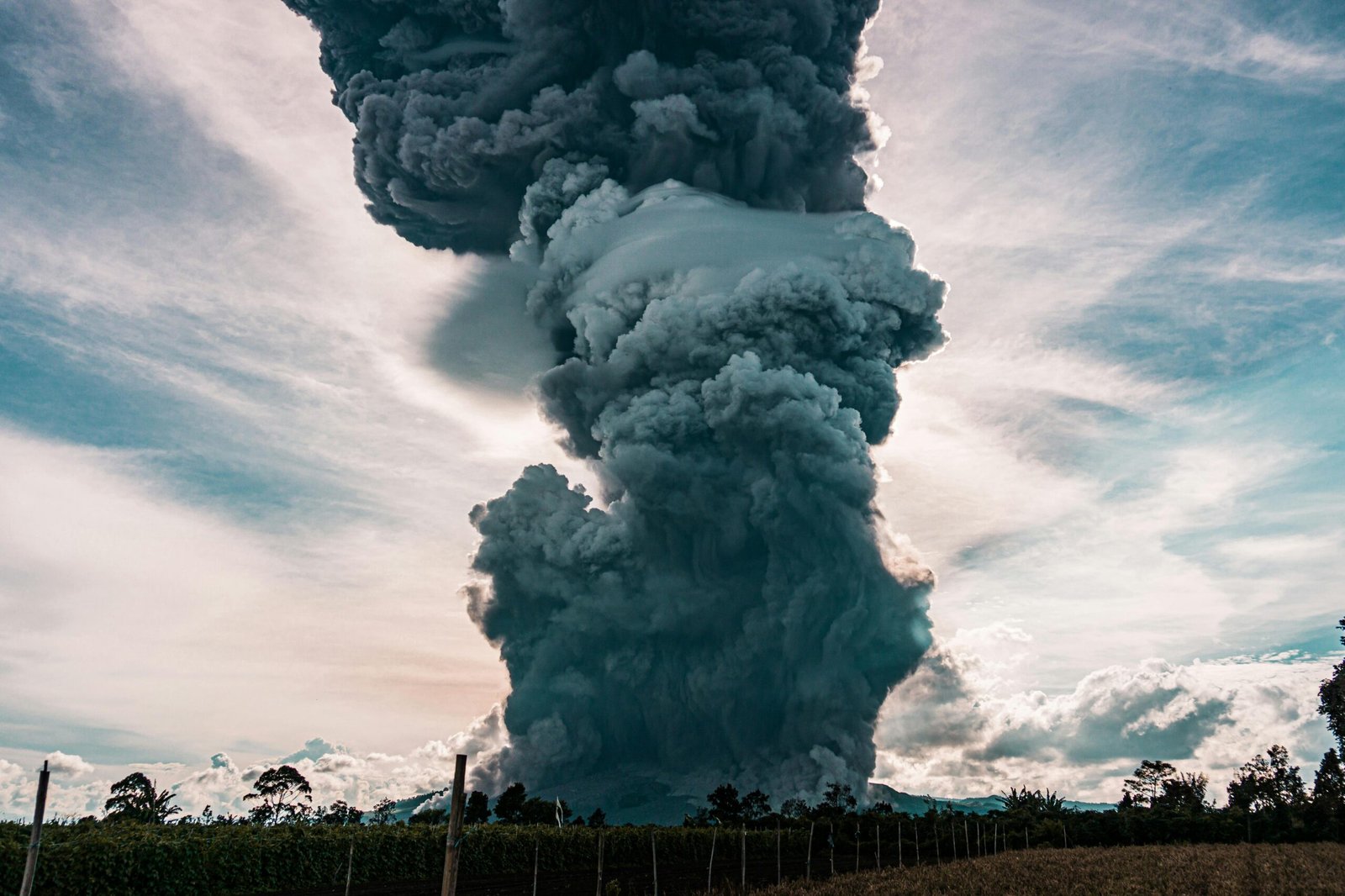
Southeast Asia is vulnerable to natural disasters amidst the current climate change issue. Geographically, ASEAN is located in coastal areas prone to flooding due to rising sea levels. Southeast Asia is located in the Pacific Ocean, which is vulnerable to other natural disasters such as earthquakes, tsunamis, and active volcanic eruptions. Furthermore, current global warming is triggering a number of new challenges, such as rising temperatures and long-term droughts. According to the AADMER work program report, 2,916 natural disasters were recorded from 2012 to 2020 due to climate change. Unexpected climate change certainly impacts the condition and resilience of existing infrastructure in Southeast Asia. Southeast Asia, as a global economic and agricultural growth network, needs to implement disaster mitigation to minimize direct losses caused by unpredictable extreme weather. Concrete steps such as early warning systems and collective cooperation are needed for climate-resilient infrastructure planning. ASEAN plays a crucial role in implementing disaster mitigation. If not implemented optimally, a domino effect could occur, harming many parties.

Dramatic eruption of Mount Sinabung in North Sumatra, Indonesia, with massive ash cloud.
ASEAN, as a hub for global economic activity, is also experiencing increased energy consumption, given the industrial revolution and the significant increase in demand for natural resources, which also contribute to excessive carbon emissions and the greenhouse effect. Urbanization is also making the ASEAN region increasingly densely populated, requiring protection. Dependence on fossil fuels as a profitable commodity needs to be reduced to create a zero-emission region in line with the 2050 Net Zero Emission target. This is one of ASEAN’s challenges in mitigating natural disasters caused by climate change.

As a regional organization, ASEAN has adopted a key framework to be implemented in response to climate change. One such framework for mitigating natural disasters caused by climate change is the ASEAN Agreement on Disaster Management and Emergency Response (AADMER), which addresses an early warning system that encompasses comprehensive information and communication regarding natural disasters and public awareness to promptly respond to impending disasters. Planning and coordination with national and regional stakeholders to reduce losses, including utilizing military functions as public facilities for mobilization and safety, are also crucial. Collaborative and partnership efforts are also needed to assess the challenges faced by member countries, discuss them with regional organizations, stakeholders, partners, and allocate resources to invest in developing disaster management tools. However, ASEAN member countries certainly face a number of challenges.

According to the AADMER work program report, the challenges faced focus on data sharing and interoperability among member countries. ASEAN requires technical assistance to manage and share data and information regarding early warning systems. ASEAN is still working to strengthen partnerships with the AHA center (ASEAN Coordinating Center for Humanitarian Assistance on Disaster Management), disaster management offices, and other stakeholders. Furthermore, ASEAN is also working to develop risk assessments through relevant actors. Furthermore, what needs to be improved is the involvement of external parties to focus on scientific approaches that align with the AADMER vision to further explore disaster mitigation.

Meanwhile, other challenges such as technological and resource disparities are major obstacles to improving disaster mitigation facilities. Member countries like Singapore have successfully created an underground tunnel waste disposal system to address flooding and process waste and water more environmentally friendly, while Indonesia has developed a Carbon Capture and Storage (CCS) network in an effort to reduce carbon emissions. Meanwhile, less developed countries like Timor Leste, Cambodia, Laos, and Myanmar must face extreme heat and erratic rainfall patterns. In addition to vulnerable economies, government efforts to attract investors are challenging due to competition among ASEAN countries to fulfill their national interests. Other member countries like Vietnam, Indonesia, and Thailand have left the four less developed ASEAN member countries even further behind in terms of more appropriate disaster mitigation planning.

ASEAN has made significant strides in proposing work programs such as AADMER and leveraging relevant organizations and institutions to assist with disaster mitigation preparation. However, current challenges require further action, particularly regarding the equitable distribution of disaster mitigation facilities for member states vulnerable to natural disasters and extreme weather. With Timor-Leste in the group, ASEAN also needs to expand its reach to collaborate with East Asian countries with superior disaster mitigation systems and technology. This will allow for more predictable climate change impacts on ASEAN and mitigate significant long-term losses.

[ Andhini Octa Maharatih and  Dhea Marsha Ananda are Indonesia based interns at COGGS. Opinion expressed doesn’t reflect the view of the organization. ]

References

Kiyoshi Kobayashi, K. A. (2018). Economic Integration and Regional Development: The ASEAN Economic Community. New York : Routledge (Taylor & Francis Group), Abingdon & New York.

Menon, H. H. (2010). ASEAN Economic Integration: Features, Fulfillments, Failures and the Future. ADB Working Paper Series on Regional Economic Integration, 1-34.

Secretariat, A. (2023). Framework on ASEAN Supply Chain Efficiency and Resilience. Jakarta: The ASEAN Secretariat.

The ASEAN Secretariat. (2020). ASEAN AGREEMENT ON DISASTER MANAGEMENT AND EMERGENCY RESPONSE (AADMER) 2021-2025. ASEAN Secretariat. https://asean.org/wp-content/uploads/2021/08/AADMER-Work-Programme-2021-2025.pdf

ASEAN. (2021). ASEAN State of Climate Change Report. The ASEAN Secretariat. https://asean.org/wp-content/uploads/2021/10/ASCCR-e-publication-Correction_8-June.pdf

Asian Development Bank. (2009). The Economics of Climate Change in Southeast Asia: A Regional Review. ASsian Development Bank. https://www.adb.org/sites/default/files/publication/29657/economics-climate-change-se-asia.pdf

Fransiskius, & Affabile, R. (2025). Peran Indonesia Sebagai Norm Entrepreneur Dalam Konsepsi Sentralitas ASEAN Melalui Inisiatif Karbon Lintas Batas Berbasis Teknologi Carbon, Capture and Storage (CCS), 7(01). 10.24198

Deep Tunnel Sewerage System. (2025, March 4). PUB, Singapore’s National Water Agency. Retrieved July 24, 2025, from https://www.pub.gov.sg/Professionals/Requirements/Used-Water/DTSS

Building Resilience of Health Systems in Asian Least Developed Countries to Climate Change. (n.d.). UNDP Climate Change Adaptation. Retrieved July 24, 2025, from https://www.adaptation-undp.org/projects/building-resilience-health-systems-asian-least-developed-countries-climate-change

Andrew Potter, P. C. (2011). Developing a supply chain performance tool for SMEs in Thailand. An International Journal, 20-31.

              

ASEAN Economic Integration in the Face of Global Shocks: Towards Sustainable Supply Chains Read Post »

Will ASEAN Membership Be Turning Point for Timor-Leste’s Economy?

Suryo Bimantro, COGGS Intern

AFTER MORE THAN a decade as an observer and applicant, metal rich Timor-Leste is set to officially join the Association of Southeast Asian Nations (ASEAN) this year, with its membership scheduled to be formally ratified at the 47th ASEAN Summit in October 2025. Timor-Leste’s entrance into the Southeast Asian organization represents its decade-long struggle and progress as a “juvenile nation” that achieved national sovereignty and independence in the 2000s. Accepting Timor-Leste would also signify ASEAN’s emphasis on regional inclusivity and integration among nations within the region, despite significant economic and institutional disparities. This move would prioritize the development of Southeast Asian regionalism and unification above all else.

Such integration could potentially help improve Timor-Leste’s struggling economy. According to a 2025 report by the International Monetary Fund (IMF), Timor-Leste is ranked as one of the poorest nations in the Southeast Asian region, with a total GDP of approximately $2.1 billion USD and a GDP per capita of only $1,490 USD. ASEAN membership could also bring viable solutions to the critical issues the country is currently facing.

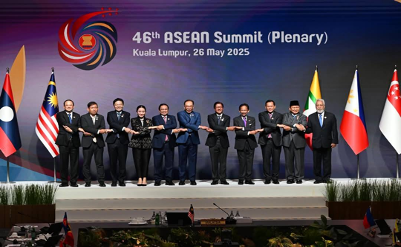
(46th ASEAN Summit. Courtesy: The Star)

This article’s main purpose is to explain how Timor-Leste’s integration into ASEAN could offer opportunities for multilateral cooperation that would assist in national development and help address the challenges the nation continues to face. After all, multipolarity within ASEAN cannot be achieved if member countries focus solely on self-serving development.

ASEAN perceives its goal for economic cooperation as a priority for all its members without exclusion. This would provide Timor-Leste with the grand opportunity to learn from ASEAN states with longer experiences in maintaining and developing their economies. ASEAN has the capability to provide intensive training sessions for Timor-Leste’s government officials—sessions that provide expert insights and knowledge-sharing discussions within important subjects such as international trade, finance, tax management, resource management, and various other subjects that could help the Timor-Leste government to prepare its entry into the ASEAN economic framework, the next stage for its potential development within the Southeast Asian region itself.

Currently, this intensive training program has been done this year, specifically during the 11th–13th of March, 2025, in Timor-Leste’s capital city, Dili. This program involved several key actors, which include the Deputy Secretary-Director of the ASEAN Economic Community, the Asian Development Bank Country Director, the Malaysian Ambassador of Timor-Leste, the ASEAN Ministry of Foreign Affairs and Cooperation of Timor-Leste, and the rest are the ASEAN Secretariat staff, who are positioned as the trainers within the program. Every actor mentioned has the sole mission of preparing the economic and institutional readiness of Timor-Leste’s existing ministries and agencies as they finally integrate the nation into becoming a part of the ASEAN economic domain. If ASEAN’s intensive training program succeeds, it could bolster several solutions for some of Timor-Leste’s ongoing internal issues.

east timor, peace, hand, nation, background, banner, wallpaper 4k, colors, country, full hd wallpaper, cool backgrounds, ensign, flag, windows wallpaper, free wallpaper, desktop backgrounds, graphic, free background, 4k wallpaper 1920x1080, 4k wallpaper, wallpaper hd, hd wallpaper, icon, national, mac wallpaper, state, symbol, tourism, laptop wallpaper, beautiful wallpaper, travel

Beyond Oil & Gas

According to the Ministry of Trade and Industry of Timor-Leste, the country is suffering from an overreliance on gas and oil exports. Specifically, around 90% of Timor-Leste’s exports consist of gas and oil, with little room for other industries to participate in international trade. An overreliance on oil and gas may demonstrate a country’s wealth in natural resources, but it also reveals vulnerability and a lack of progress within a country’s economy. Fundamentally, globalization has made the world economically interconnected. If the prices of both oil and gas were to decrease significantly in the future due to the global transition toward clean and renewable energy, then Timor-Leste’s export revenues could suffer a downturn, causing a halt in its economic development.

This applies similarly if the prices of oil and gas were to increase, in the form of the infamous Dutch Disease—an economic phenomenon where an overreliance on a specific sector drives up a country’s currency value. This could alleviate the country’s poverty rate and stimulate internal development in the short term. However, in the long term, there’s a risk that it would allow cheap foreign imports to overtake the country’s industries, preventing the private sector from growing or competing fairly, while foreign businesses become powerful stakeholders and slowly monopolize the economy from within. The people of Timor-Leste would not only suffer significantly from higher poverty rates, but they would also face rising inflation, a lack of innovation and sustainable development, and a cycle of exploitation that is indirect in nature.

With ASEAN’s capacity-building program and intensive training sessions, member states could take advisory roles in managing Timor-Leste’s overreliance on oil and gas by helping the country discover new natural resources, develop industrial skills, implement human resource capacity-building methods, and pursue various other initiatives to strengthen Timor-Leste’s market diversification and improve its dwindling private sector.

To further increase the chances of success for these diversified markets, ASEAN member states could open trade barriers between Timor-Leste and themselves—or even call upon nations within the Asia-Pacific region, such as Japan and South Korea, to begin investing in Timor-Leste’s diversified markets while engaging in more bilateral or multilateral trade activities. What’s the point of diversifying an economy if you can’t even diversify your consumers?

Obviously, oil and gas industrial dependency won’t just disappear in the short term; this is why ASEAN economic cooperation must prove itself to be stable, efficient, and continuous in providing strong results with Timor-Leste’s ministries and agencies.

Tapping into Minerals

As mentioned previously, an overreliance on two natural resources wouldn’t aid Timor-Leste’s survivability in the long term before it eventually turns into a fallen state. This is why more markets, especially within the private sector, need to be formed to expand Timor-Leste’s international trade and human resource capacity—markets that will be formed from the rich and plentiful mineral resources within the lands of Timor-Leste itself.

According to a 2003 study by Francisco da Costa Monteiro, Director of Energy and Minerals within Timor-Leste, Timor-Leste’s natural resources are abundant, encompassing not only the vast oil and gas reserves within the land but also a variety of rich minerals discovered within Timor-Leste’s coastal environments. These minerals are divided into two categories—metallic and non-metallic—to simplify understanding.


Metallic MineralsGold, copper, manganese, silver, and chromite.
Non-Metallic MineralsSand, gravel, limestone, clay, bentonites, kaolinites, marble, gypsum, and phosphate.

The fact that Timor-Leste’s rich minerals are scattered throughout the country yet it could barely develop its economy proves the vast, untapped potential it currently has. Firstly, its metallic minerals could provide market ideas that could diversify the economy and expand trade flows with other countries.


christmas, decoration, angel hair, ornament, decor, gold, mobile wallpaper, phone wallpaper, iphone background, macro, closeup, gold, gold, mobile wallpaper, mobile wallpaper, mobile wallpaper, phone wallpaper, phone wallpaper, phone wallpaper, phone wallpaper, phone wallpaper


GoldCopperManganeseSilverChromite
Gold could serve both as an export-oriented market and a domestic manufacturing market. A lot of developed countries see the value of gold in many luxury brands and jewelry industries.


ASEAN must remember to advise Timor-Leste’s development regarding their human resource capacity in manufacturing to ensure gold will not just solely be used for foreign extraction, but can also be used as a new job market for gold manufacturing domestically.

According to the International Copper Study Group (ICSG), copper mining would reach an approximate number of 23.5 million tonnes within 2025, a 2.3% increase from 2024. This significant rise proves that copper mining could be a great asset for Timor-Leste’s developing economy. It would attract foreign investments, trade, and cooperation from both ASEAN and the entire global domain potentially.


Copper are used for manufacturing vehicles such as motorcycles and cars while also being a foundational material for phones and computers, objects that are central to the modern Southeast Asian contemporary culture nowadays.


Despite the harsh labor, this could prove to be a great economic diversification mechanism for Timor-Leste, though its sustainability over the future is questionable due to the rise of clean and renewable energy alternatives. That’s where the ASEAN economic cooperation comes in and discusses the issue with Timor-Leste.

Another form of useful mineral that Timor-Leste’s officials could unearth to diversify it’s economy would be the manganese mineral, a mineral that could strengthen metallic materials such as steel, a very important mechanism to have within foreign aviation, shipment, and even military industries if properly maintained.Just like these other materials, silver holds a wide range of usage in terms of manufacturing itself. Silver is used to manufacture phones, computers, laptops, televisions, circuit boards, batteries, and so much more. It’s possible to improve upon a country’s trade and innovation, which is truly remarkable.Just like other materials here, chromite also serves as a hardening material for aerospace, aviation, transport, and other manufacturing industries.

Through these discoveries alone, Timor-Leste proves itself to be a hotspot for many manufacturing-based industries. Through ASEAN economic cooperation, ASEAN could assist in Timor-Leste’s maintenance of these valuable minerals, creating jobs in the mining sector, logistics, manufacturing, sales and marketing, shipment and trade, and even finance. This could raise a new wave of skilled workers who could improve their livelihoods every time minerals are extracted or manufactured—a true capacity-building program born from the country’s rich natural resources.

ASEAN must provide sufficient advisory not only on proper management but also by connecting Timor-Leste with potential trade partners within and outside the region to ensure that trade flows and revenues increase rather than remain stagnant. Besides trade partners, advisory efforts should also focus on talent building through education and training programs for the youth of Timor-Leste in order to prepare for the introduction of new technology and manufacturing-based businesses across the country.

The Case of Corruption

The last and most crucial problem that ASEAN could assist Timor-Leste with would be the cycle of corruption, which could potentially destabilize all these capacity-building efforts. According to the Corruption Perceptions Index (CPI) in 2024, Timor-Leste ranks 70th out of a total of 180 countries around the world in terms of corruption, proving it to be less corrupt in comparison to other countries—though this result might be due to the country’s small population.

Through ASEAN economic integration, Timor-Leste could potentially lower that ranking even further through ASEAN’s collaborative platform, ASEAN-PAC (Parties Against Corruption), which was previously labeled as SEA-PAC (Southeast Asian Parties Against Corruption) in 2004.

The collaborative platform serves as a regional cooperation mechanism that provides extensive knowledge-sharing on anti-corruption methods and strategies; training programs to develop skill sets to counter corruption schemes; exchanges of expertise between countries through certified and experienced personnel and officials to help implement anti-corruption strategies within Southeast Asia; and conferences to gather ideas and strategies among ASEAN member states to further anti-corruption development across the region.

If Timor-Leste does not view its integration into ASEAN-PAC as a possibility, then all potential revenue growth from mineral resources, international trade, and many of its diversified markets could be at risk from the grasp of internal corruption—especially given that the country upholds democracy as its primary form of governance.

The bigger the economy, the merrier the people. The merrier the people, the more confident they are in raising children. The more confident the people become in having children, the more the population increases. As the population increases, centralized supervision becomes harder to manage within a full-blown democracy. Immense population growth begins to exert more and more plurality of morals and ethics as society grows, creating more hidden blind spots for those intelligent enough to exploit vast revenues for themselves among thousands or even millions of others around them.

[ Suryo Bimantro is an intern at COGGS and based in Surabaya, Indonesia. Opinions expressed those are his own. ]

References:  

  1. https://asean.org/asean-secretariat-supports-timor-lestes-asean-integration-with-phase-2-of-capacity-building-programme/.


  1. Top Export-Import Countries. 2023. “Top Export-Import Countries.” Trade Information Portal. 2023. https://timor-lestetradeportal.com/id-id/site/display/808.


  1. Da Costa Monteiro, Francisco, Vicenti Da, and Costa Pinto. 2003. “Exploring Timor-Leste: -Minerals Potential.” https://www.pecc.org/resources/minerals-a-energy/1264-exploring-timor-leste-minerals-potential-paper/file
  2. Chen, Jackson. 2025. “Global Copper Surplus to More than Double in 2025 – ICSG.” MINING.COM. April 30, 2025. https://www.mining.com/?p=1177704.


Woolwine, C.S. 2019. Cyclic. https://cms.kpk.go.id/storage/tinymce/uploads/pdf/1733102405_E-Booklet-ASEAN_PAC.pdf


Will ASEAN Membership Be Turning Point for Timor-Leste’s Economy? Read Post »

Vietnam’s Challenges to be Critical Mineral Powerhouse

Indoor display of Vietnamese flags and a map highlighting national unity symbols.Iftah Al Aqliyah

AS THE WORLD moves towards a green energy future, demand for critical minerals such as nickel, silicon, lithium, copper, and other rare earth elements (REE) is increasing because these are the key components in the production of products like electric vehicles (EVs), wind turbines, and solar panels. Located in Southeast Asia, Vietnam, is a major market for China, the US, Japan, South Korea, and the European Union. Beyond being a key market, the aspiring economic power also serves as a strategic partner in the region’s energy transition. The critical minerals project supports the development of green energy technology industries, boost environmental standards and place the nation in the map of global clean energy transition. This is evidenced by Vietnam’s commitment to achieving net-zero carbon emissions by 2050 at the COP26 Summit in Glasgow and the receipt of funding through the Just Energy Transition Partnership (JETP) program amounting to US$15.5 billion, while also launching the Power Development Plan VIII (PDP8). However, Vietnam faces significant challenges in meeting domestic demand for critical minerals and ensuring sustainable management.


Increase in Critical Minerals in Vietnam

Vietnam’s participation in commitments under the Action program for Transition to Green Energy and Mitigation of Carbon Dioxide and Methane Emissions from Transport is driving major development in renewable energy in 2021-2050. On a regional scale, projections from APEC Outlook show that the expansion of clean energy generation and electric vehicles (EV) will increase demand for critical minerals such as nickel, copper, cobalt, lithium, silicon and rare earth elements (REE) in the Asia Pacific region, including Vietnam. Demand for critical minerals on a regional scale is expected to increase in 2031-2040 compared to 2020 by 4.7 times (Huy, 2023). According to Phung Quoc Huy et al. (2024) total critical minerals demand is expected to reach 415 kilotons (kt) from 2021 to 2030 and increase to 2,133 kt from 2031 to 2050, or 15 times the 2021 level. Silicon and copper are the minerals most in demand due to the expansion of solar energy and the construction of power grids. It is estimated that copper accounts for 60% of total mineral demand, particularly for transmission systems, wind turbines, and electric vehicles (Huy et al., 2024). In addition, the need for nickel, cobalt and lithium for electric vehicle batteries will increase, especially as the local automotive industry such as VinFast grows. Although Vietnam has the second largest REE potential in the world, its use is still not maximized in terms of value-added exploration, production, processing and export.


Challenges in Critical Minerals Management

Vietnam’s domestic processing capacity : The nation’s domestic processing capacity is still low despite having many mineral reserves. Production of nickel, cobalt and copper has not met the surging demand. According to statistics, Vietnam produced only 16,881 tons of copper in 2021, despite demand for copper reaching more than 260,000 tons during the 2021-2030 period (Huy et al., 2024). On the contrary, cobalt production in the country is still below 200 tons per year.


Infrastructure and Technology Limitations: Vietnam has not successfully mastered the refining technology of minerals such as REEs that require complex and expensive chemical processes. Most mining facilities in Vietnam focus on extraction, not downstream. This hinders Vietnam from developing domestic value and acting as a value-added global supplier (Hiep, 2023)


Weak Regulation in Vietnam:  The regulatory framework in Vietnam is still not strong and inconsistent in its implementation which hinders the overall development of the minerals sector. The complexity of licensing procedures, poor inter-agency coordination, and corrupt practices at the local and national levels exacerbate the investment and environmental monitoring situation. These conditions create hesitation for local and foreign investors (Dung et al., 2021).


Political Pressure and Dependence: Vietnam’s REE potential has attracted the attention of major countries such as the United States, China and Japan. For example, Vietnam signed an MoU with the US on a partnership for REE exploration and development (Nguyen et al., 2019). This  joint venture certainly offers benefits and investment opportunities, but there is a risk of external dependency and possible exploitation of natural resources without fair and sustainable technology transfer.

copper oil lamp, macro, decoration, vintage, tradition
A copper-made lamp.


Vietnam’s ability to manage critical minerals is crucial to the continued transition to renewable energy. Rising interest in lithium, cobalt, copper and REEs is a result of reducing carbon emissions. However, limited production, infrastructure and technology, and weak regulations are barriers to achieving certain targets. Therefore, Vietnam needs to make necessary refomrs by strengthening policies and building sustainable international cooperation.


(Iftah Al Aqliyah is an intern at COGGS and student at  Department of International Relations,  UPN “Veteran” Jawa timur University, Surabaya, Indonesia)

References

Dung, N. T. K. D., Luan, P. V., Chinch, V. T., & Duoe, T. V. (2021, November 10). An Overview of Rare Earth Ores Beneficiation in Vietnam. 10.29227/IM-2021-02-20

Guthrie, C. (2023, October 23). Rare earth arrests rock Vietnam’s critical minerals plans. Mining Magazine.

Hiep, L. H. (2023, November 8). Vietnam’s Rare Earth Ambitions: Economic and Strategic Drivers. FULCRUM. Retrieved Juli Jumat, 2025, from https://fulcrum.sg/vietnams-rare-earth-ambitions-economic-and-strategic-drivers/

Huy, P. Q. (2023). Estimation of Required Critical Minerals for Clean Energy Technology in the APEC Region and Risks of Supply Chain Disruption. Asia Pacific Energy Research Centre. https://www.researchgate.net/publication/378302856_Estimation_of_Required_Critical_Minerals_for_Clean_Energy_Technology_in_the_APEC_Region_and_Risks_of_Supply_Chain_Disruption

Huy, P. Q., Sweetnam, G. E., & Hien, T. T. (2024). Shifting Toward Clean Energy Technology: Assessing Vietnam Critical Minerals Demand and Domestic Resources. IOP Conference Series: Earth and Environmental Science. 10.1088/1755-1315/1395/1/012001

Nguyen, N. B., Boruff, B., & Tonts, M. (2019, June 27). The Regulatory Framework and Minerals Development in Vietnam: An Assessment of Challenges and Reform. MDPI, 11. 10.3390/su11184861

Nguyen, U. (2023, April 13). Vietnam’s Rare Earth Mining Industry: An Overview. Vietnam Briefing. Retrieved July 25, 2025, from https://www.vietnam-briefing.com/news/rare-earth-mining-vietnam.html


Vietnam’s Challenges to be Critical Mineral Powerhouse Read Post »

Cryptocurrency in Global South Trade: The Iran Case Study Analysis | Read Now|

Vericko Dhuha Zahir Negara, COGGS Intern

[Abstract : This research looks at how cryptocurrency’s role is becoming more important as an alternative in international trade, especially for countries that are not well-supported by the usual global financial system. As the SWIFT network is being used more often as a tool for political reasons to apply sanctions and control economies, many countries particularly in the Global South are looking for alternative solutions. Cryptocurrency, which is based on blockchain technology, allows people to send money directly to each other without needing banks. This reduces reliance on traditional financial institutions, cuts down on costs, and makes it easier to send money across borders quickly. Using the World-Systems Theory and the concept of Decentralized Finance, this study shows how blockchain-based currencies give countries like Iran more control and stability by helping them avoid sanctions and manage their economy better. The research used a qualitative-descriptive approach, looking at information from academic papers, news articles, and reports from organizations to spot trends. The results show that cryptocurrency’s role helps trade happen in ways that traditional systems don’t allow, and it changes how global economics works by being a clear, fast, and politically neutral option compared to conventional systems. ]


INTERNATIONAL TRADE IS an important aspect for a nation to increase its economic growth. One of the biggest elements of international trade is the Society for Worldwide Interbank Financial Telecommunication also known as SWIFT, which has been the backbone of banks from various nations. However, SWIFT is not a neutral system; it has been used as an international political tool in the form of sanctions and other economic limitations (Cipriani et al., 2023). SWIFT works as a safe communication provider between banks, because of that almost any transnational currency operates under SWIFT. As a result, anytime when a nation or company has limited actions by SWIFT it can result in an economic crisis or a bankruptcy. This phenomenon of economic limitations has increased over time due to SWIFT not being a neutral system. SWIFT has increasingly become a political control tool to give sanction and limit any country’s economic activities if that country is considered a threat. This results in cost issues and regulatory restrictions that blocks developing countries from reaching not only western market but also the global market to gain a higher profit. For example, most Global South nations are submitted to this system which creates unequal dependency and makes them

vulnerable to sanction and other political-economic pressure. For that reason, many nations and companies tried to find a way to do international trade without relying on SWIFT’s system. This led them to blockchain technology, which uses cryptocurrency that was invented by an unknown individual called Satoshi Nakamoto back in 2009. Blockchain eliminates the needs of banks correspondent, documents, and time needed. Cryptocurrency offers real-time transaction or remittance, low cost, and direct access from buyer to seller without relying on banks.

saffron, saffron strands, kitchen, cook, taste, aroma, red, nature, spoon, meal, refine, tender, expensive, seasoning, food, real, real saffron, saffron, saffron, saffron, saffron, saffron
[Iranian saffron and pistachios are famous for quality and highly in demand in the US market, despite sanctions]

Theoretical Framework

This research was conducted using the World-System theory as a way of understanding the world as a hierarchically structured capitalist system, with a dominant core and an exploited periphery (Wallerstein, 2004). According to Wallerstein, the capitalist world system began around the 16th century in Europe, through colonial expansion, international trade, and the formation of modern nation-states. Since then, this system has continued to develop into a global system with one hegemony that switches over time. World-systems theory supports an interdisciplinary approach by integrating historical, political, economic, and cultural analysis within a measured framework. On top of that, this research will also apply the Decentralized Finance (DeFi) concept. DeFi is a new model in the finance world that utilizes blockchain technology and smart contracts to provide financial services without intermediaries like banks (Zetzsche et al., 2020). This technology allows users to access financial services by peer-to-peer with just the internet and digital wallet. DeFi allows users to avoid traditional or conventional ways of international transaction or remittance which is more costly and time-consuming. As a whole, DeFi is a model that changes how transnational finance activities work.

Methods

Every data was collected through in-depth literature studies, news articles, academic publications, and any documents related to blockchain, cryptocurrency, and SWIFT. On top of that, data analysis was carried out by identifying patterns, themes, and narratives that emerged from the collected data, which were then interpreted. This approach allows the author to describe things in detail while keeping it concise. In addition, the qualitative-descriptive method enables the author to remain adaptable to the different matters of the subject regarding international trade. This method aims to provide understanding of the dynamics of the phenomenon being studied.

iran, banner, flag, international, iran, iran, iran, iran, iran


The  Case of Iran 

Global South countries’ challenges are often stacked on top of another with systemic issues, international actors interfering, lack of facilities or technology, and internal economic issues. This creates a demand for trusted and self-custodial currency which led to digital coin using Blockchain technology (Böhmecke-Schwafert & Moreno, 2023). Cryptocurrency and blockchain offer faster, cheaper, and more accessible cross-border transactions, such as remittances and trade, while avoiding international restrictions. Due to many Global South countries facing both internal and external trade challenges, this pushes them to switch to a currency that can avoid those challenges. The implementation of Blockchain in the Global South can improve the Global South’s position and profit as a raw material supplier within the global supply chain, rather than being limited by conventional trade systems. Blockchain’s transparency and traceability facilitate Global South in international trade especially for agriculture and natural resources (Eliason, 2022). Even with the risk of being hacked and losing digital coins, the trend of utilizing cryptocurrency is not slowing down, instead it creates other ways to store digital coins such as using cold wallets. Global south countries develop domestically controlled blockchain and support cryptocurrency legal matters to increase digital currency exposure and trust around the world. On top of that, blockchain and cryptocurrency should also support local manufacturers, SMEs, cross-border trade, and remittances among Global South citizens (Eliason, 2022).

Since the United States withdrew from the JCPOA nuclear deal in 2018, Iran has been re-imposed on \economic sanctions. These sanctions primarily target Iran’s oil sector and financial system. As a result, Iran’s currency exchange rate has plummeted, while inflation has sky-rocketed. In this economic state, both the Iranian government and civilians have begun seeking alternative, more stable stores of value and exchange rates. One widely used solution is cryptocurrency. There are several key reasons why crypto has become so attractive to Iran. First, cryptocurrencies are used as a hedge against inflation and currency devaluation. Many Iranians store their wealth in crypto, which is considered more stable than conventional currencies. Second, cryptocurrency allows the government and businesses to evade international sanctions, particularly from the US. Since 2019, the government has officially supported Bitcoin mining, taking advantage of cheap domestic electricity. On top of that, Iran uses crypto as a digital currency for export commodities. In August 2022, Iran began using crypto directly to pay for imports. The government is also exploring the use of gold-backed digital coins with Russia to strengthen bilateral transactions and avoid the US dollar and SWIFT. This move by Iran sparked a response from the international community. The US government expanded its list of sanctioned entities, including companies in the United Arab Emirates, Turkey, and Hong Kong that help Iran sell oil and launder money through crypto. The US Treasury Department has also increased cooperation with blockchain intelligence agencies to track suspicious transactions. However, the effectiveness of this law enforcement remains limited as Iran actively seeks new ways to evade detection, including through anonymous decentralized finance protocols. Because of that, International policy needs to be more integrated to both support cryptocurrency as an alternative for international relations actors to have a new trade system that is operated under blockchain technology.


iran, mosque, tehran, middle east, persien, iran, iran, iran, iran, iran, tehran, tehran, tehran, tehran, persien

Conclusion

Cryptocurrency has caused a big shift in how countries trade internationally, especially for those facing difficulties in the current global financial system. SWIFT, which is a system that has been used a lot in international banking, is sometimes controlled by politics and can limit certain countries from accessing the global market, especially those in the Global South. Cryptocurrency offers a different way for these countries to take part in the economy. It works through blockchain technology, which doesn’t need third parties like banks. This makes transactions faster, cheaper, and more open. This is especially helpful for countries that are under sanctions or facing financial limits, like Iran. Cryptocurrency also helps more people and businesses around the world to take part in financial activities. With decentralized finance, people can connect directly with others without needing traditional banks. This is especially useful for small businesses and even governments. On top of that, blockchain’s ability to track transactions helps in areas like farming and exporting raw materials, which are important for many countries in the Global South. This makes their role in global trade stronger. Though there are risks like hacking and unclear rules, more people are using cryptocurrency, showing how important it is. In the end, cryptocurrency is a brand new technology that gives people more control over their money and challenges the conventional financial systems. It creates new paths for trade that are fairer, more open, and not controlled by political power or banks.


[ Vericko Dhuha Zahir Negara is a COGGS Intern and Student at International Relations
Faculty of Social and Political Sciences National Development, University “Veteran” of East Java, Surabaya, Indonesia]


References

  1. Marco Cipriani, Linda S. Goldberg, & Gabriele La Spada (2023). Financial Sanctions, SWIFT, and the Architecture of the International Payment System.
  2. Slatvinska Valeria, Demchenko Vitaliia, Tretiak Kateryna, Hnatyuk Rostyslav, & Yarema Oleg (2022). The Impact of Blockchain Technology on International Trade and Financial Business. DOI:10.13189/ujaf.2022.100111
  3. Patrick Schueffel (2021). DeFi: Decentralized Finance- An Introduction and Overview
  4. Dirk A. Zetzsche, DouglasW.Arner, & Ross P. Buckley (2020). Decentralized Finance
  5. Immanuel Wallerstein (2004). World-System Analysis An Introduction.
  6. Rose Mahdavieh (2022). State Adoption of Cryptocurrency: a Case Study Analysis of Iran, Russia, and Venezuela.
  1. Moritz Böhmecke-Schwafert & Eduardo García Moreno (2023). Exploring Blockchain-based Innovations for Economic and Sustainable Development in the GlobalSouth: A Mixed-Method Approach based on Web Mining and Topic Modeling.
  1. Antonia Eliason (2022). BLOCKCHAIN, TRADE, AND THE GLOBAL SOUTH:

ENTRENCHING SUPPLY CHAIN ROLES.

  1. Reuter (2025). S. issues additional Iran-related sanctions, Treasury website shows.
  2. Arab News (2022). How Iran is cashing in on cryptocurrencies to evade US sanctions.


Cryptocurrency in Global South Trade: The Iran Case Study Analysis | Read Now| Read Post »

India and GCC Deepen Economic and Strategic Ties

India and GCC Deepen Economic and Strategic Ties

Balaji Chandramohan

As India expands its politico-economic reach in the international system, especially in Asia’s geopolitics – it is looking for economic partners in the Gulf region as part of its aspirations. This will be welcomed by the countries in the region collectively, as they tend to recognize New Delhi’s credentials as a responsible power in the comity of nations. Institutionally, cooperation will be strengthened between India and the Gulf Cooperation Council (GCC), which will have vital significance for India. The GCC is a union of six countries in the Gulf region — Saudi Arabia, the UAE, Qatar, Kuwait, Oman, and Bahrain. The council is the largest trading bloc for India.


Experts note that the Gulf region’s substantial oil and gas reserves are of immense importance for India’s energy security and its growing population’s demands. India’s economic ties with the GCC have been steadily increasing, especially due to the growth in oil imports.

On the other hand, India’s exports to the GCC have shown steady growth in recent times. India exports a wide range of products to the region, including food processing, jewellery, synthetic fibers, textiles, pharmaceuticals, and engineering goods, all offering substantial potential.

Further, in an effort to improve their trade relations, India and the Gulf Cooperation Council (GCC) have agreed to pursue a Free Trade Agreement (FTA) between the two regions. Negotiations are set to increase in the upcoming months.

Meanwhile, India has started important geo-economic outreach to the Gulf region, which includes facilitating financial connectivity, such as integrating India’s UPI system with the UAE’s JAYWAN card. The RuPay card is also being considered.

Investment opportunities from Sovereign Wealth Funds in Saudi Arabia, UAE, Qatar, and Kuwait are being closely observed from New Delhi. It is also a fact that the Gulf region forms an important cog in the world’s geo-economics, as it connects Europe to the markets in Asia and to the wider Indo-Pacific region.

Additionally, the GCC countries collectively host a large Indian expatriate community, facilitating cooperation in terms of trade and investment. Through collaborative initiatives in trade, investment, infrastructure development, open exchange of information, and people-to-people ties, this partnership not only bolsters economic growth within the region and India, but also contributes to a more stable and prosperous global economy.

India and the GCC also share a desire for political stability and security in the region, which may help India expand its outreach to other regions globally in terms of the economy. India recognizes that the Gulf region is one of the most volatile in Asia, where special focus is required if it is to strengthen its credentials as a stable economic partner.


Institutional exchanges between India and GCC countries began with the first-ever India-GCC Political Dialogue, held on the sidelines of the United Nations General Assembly on September 26, 2003. Both sides recognized the significance of this dialogue, which marked a new era in India-GCC relations at the start of this century.

Subsequently, India and the GCC signed a Memorandum of Understanding (MoU) on the Mechanisms of Consultations on September 10, 2022, during Indian Foreign Minister Dr. S. Jaishankar’s visit to Riyadh (September 10-12, 2022) to facilitate better trade. This was followed by the first India-GCC Senior Officials Meeting, held on March 20, 2023, in Riyadh.

The dialogue also highlighted emerging opportunities in education and connectivity, especially through the India-Middle East-Europe Economic Corridor, which presents significant potential for growth by linking energy-rich markets of Europe to Asia.

In 2024, the first-ever India–GCC Joint Ministerial Meeting for Strategic Dialogue was held on September 9, 2024, in Riyadh, emphasizing the importance of combining geo-economics with strategy.

The ministerial meeting also adopted a Joint Action Plan 2024-2028 for undertaking various joint activities in diverse areas, including health, trade, security, agriculture and food security, transportation, energy, culture, and others.

India’s outreach to the GCC was further strengthened when Indian External Affairs Minister Dr. S. Jaishankar visited Riyadh, Saudi Arabia, from September 8-9, 2024, to attend the first-ever India–GCC Joint Ministerial Meeting for Strategic Dialogue, which had important economic implications. This marked the inaugural meeting between India and the GCC at the Foreign Ministers level, attended by the Foreign Ministers of all GCC countries and Jasem Mohamed Albudaiwi, Secretary General of the GCC.

Dr. Jaishankar’s participation in the multilateral dialogue underscored a significant qualitative leap in bilateral and multilateral relations between India and the Arab Gulf states. The India–GCC Joint Ministerial meeting emphasized the growing economic partnership between India and the GCC, focusing on collaboration in economic trade, foreign investment, infrastructure development, and people-to-people ties.

The meeting envisaged the Joint Action Plan for 2024-2028, outlining various joint activities in sectors such as health, trade, security, agriculture, food security, transportation, energy, and culture. The scope of cooperation may expand further, subject to mutual consensus.

The Indian Foreign Minister also used the opportunity to hold several bilateral meetings with the Foreign Ministers of GCC countries. Jaishankar pointed out that the GCC is a “cornerstone of global energy supply” and called for deepening collaboration, which he said would help “stabilize markets, drive innovation, and enhance energy security.”

Following the Indian External Affairs Minister’s visit, the UAE reinforced its economic priorities with India, as Sheikh Khaled bin Mohamed bin Zayed Al Nahyan, Crown Prince of Abu Dhabi, visited India from September 9-10, 2024, at the invitation of Prime Minister Narendra Modi.

During his visit, he met with President Droupadi Murmu and Prime Minister Narendra Modi. Besides the political significance, the visit included participation in a business forum in Mumbai, strengthening economic ties between India and the UAE. Four significant agreements were signed between Indian and UAE entities in the energy sector.

As part of the state visit, a Memorandum of Understanding (MoU) on the operations and maintenance of the Barakah Nuclear Power Plant between Emirates Nuclear Energy Company (ENEC) and Nuclear Power Corporation of India Limited (NPCIL) was proposed.

In addition to multilateral cooperation, bilateral relations between India and the UAE have seen a notable upswing in recent years, with approximately 3.5 million Indians forming the largest expatriate group in the UAE. The two countries are among each other’s top trading partners, with bilateral trade reaching USD 85 billion in the 2022-23 financial year. India’s relations with the Arab Gulf countries are a vital pillar of its foreign policy, given the shared interests between the two sides, the presence of about 9 million Indian workers in the Gulf, and significant trade exchange. Security and strategic relations, as well as energy provision, remain crucial areas of collaboration.

As both India and the Gulf States look towards the future, there is growing anticipation of further deepening ties to advance economic cooperation, regional stability, and international security.

In conclusion, as India aspires to a better position as a global economic powerhouse, it will naturally look to the Gulf countries as part of its economic aspirations. In that context, as the GCC countries also recognize India’s emergence as one of the fastest-growing economies and a market for their exports, they will increasingly gravitate towards New Delhi. Therefore, India–GCC economic cooperation will translate into substantial geo-economic cooperation, which may strengthen existing political relations in the years to come. 

[ The opinions expressed in this article are those of the author and do not reflect the views of COGGS. ] 

India and GCC Deepen Economic and Strategic Ties Read Post »

Why BRICS, Global South need Angola?

[ The piece is syndicated from The Week, followed by Angolan President João Lourenço’s maiden visit to India. The title of the article differs from the article published in the Indian magazine. Author is a fellow and content editor at COGGS. ]

Ayanangsha Maitra

POWER MAY ONCE have been spilled from the barrel of a gun, but Angola is showing the energy-starved Global South that today, it flows from the barrel of crude oil. As Angolan President João Lourenço visited India on his maiden trip to India earlier this month (May 2-4), two nations from opposite ends of the world found themselves co-architects of a new multipolar order.

President Lourenço—a former freedom fighter who took up arms to liberate the motherland from Portuguese colonial rule—reached New Delhi at a time when both countries are pushing to reform global institutions and rebalance power dynamics. His visit is more than ceremonial; it signalled the elevation of India-Angola ties into a deep partnership grounded in energy, defence, technology, and developmental aspirations.


India is already one of Angola’s largest buyers of oil and gas. Now, the relationship is expanding far beyond hydrocarbons. Following bilateral talks, both countries committed to deep cooperation in digital public infrastructure, space technology, defence, diamond processing, healthcare, and critical minerals. India has offered a $200 million defence credit line to modernise Angola’s armed forces and will help train its military personnel.

Sitting on the southwestern coast of Africa,  Angola is working to reduce its economic dependence on oil by attracting investments from China, the UAE, and Portugal, particularly in infrastructure, ports, railways, and energy. India, too, sees an opportunity: the potential introduction of Indian diesel locomotives and the expansion of Angola’s railways—especially into mineral-rich regions—could be transformative. As India’s Economic Envoy Dammu Ravi noted, “There is a possibility to introduce Indian diesel locomotives and also expand the railway network interior, north-south and east-west and leading into the areas of their minerals, which are very important for them in terms of logistics.”
 
Despite $4.2 billion in bilateral trade, Angola enjoys a major surplus. India imports around $3.5 billion—mostly oil—while exporting less than $700 million in goods such as medicines, meat, textiles, cotton, chemicals,  leather items, tractors, and vehicles. Angola sends iron, copper, aluminium, and other minerals in return, apart from energy. Reducing this imbalance will require India to push for better market access and explore investment-led growth in Angola.

Angola is habitat to around 8,000 people of Indian origin and has recently implemented visa-free entry for Indian citizens to promote tourism and business. The historical links are not just symbolic. Goa and Angola, once colonies under Portuguese rule, share cultural resonances. Pandurang Shirodkar, the first speaker of the Goa legislative assembly and an early supporter of Angola’s independence, was imprisoned and deported to Angola by the colonial regime—an overlooked but powerful connection.
India inspired and supported Angola’s liberation movement, and post-independence, India  backed the Popular Movement for the Liberation of Angola (MPLA). The two are vocal at the forums like Non-Alignment Movement.

Unlike India, Angola’s real soft power doesn’t lie in cultural exports like Bollywood or the Taj Mahal. Instead, it lies in Sonangol, its oil giant. Formed in 1976, the state-owned Sonangol is now Africa’s second-largest oil producer and one of its most diversified corporations, with stakes in telecoms, shipping, engineering, and even shipbuilding. The company’s PAENAL shipyard hosts Africa’s largest heavy-lifting crane—a symbol of Angola’s industrial ambition. India is already partnering on key infrastructure projects such as the Moçâmedes Railway and sees potential for deeper collaboration in satellite technology, where ISRO could play a future role. Angola currently works with Russia and France on space applications, but India’s affordable space programme offers an attractive alternative.

Angola also holds growing geopolitical relevance. As chair of the African Union—whose entry into the G20 was strongly backed by India—Luanda is poised to shape continental strategies. Its ties within the Community of Portuguese Language Countries (CPLP) also give it leverage in Latin America, especially Brazil. The cultural and strategic alignment with lusophone nations puts Angola at the crossroads of continents and makes a link between Latin America and Africa.
 
Moreover, Angola’s recent role as a mediator in the Rwanda- DR Congo peace talks and President Lourenço’s strong condemnation of the Pahalgam terror attack highlight its emergence as a responsible global actor. As Angola discovers new oil fields, India’s expertise in refining, transport, and energy infrastructure could play a vital role in translating resources into growth.
 
Angola’s participation in the India-led Coalition for Disaster Resilient Infrastructure, Big Cat Alliance and Global Biofuels Alliance would be a transformative episode. Yet the challenge remains: to ensure this relationship doesn’t plateau at trade. Without active investment, deeper cultural exchange, and expanded cooperation, passive trade imbalances could undercut long-term goodwill. This is the moment to build a robust, reciprocal trade partnership—one that connects Luanda and New Delhi, Mumbai, Bengaluru, Mysore, Calcutta and Goa not just through products, but through values, and opportunity. Angola’s position within BRICS—attending summits and maintaining separate ties with each of the BRICS nations—further cements its strategic weight. If BRICS expands further in Africa, Angola could become a cornerstone in fulfilling the energy and development needs of the Global South. Private companies from Russia and India should exercise a greater role to make the nation glitter, by penetrating into areas like agri-tech.

However, to address the persistent trade imbalance, India must seek greater market access in Angola and across the region. A passive trade dynamic risks undermining the healthy and warm relationships between the two aspiring global south powers.


Why BRICS, Global South need Angola? Read Post »

Scroll to Top

Discussion Proceedings  |  May 2026

The New World Order: Challenges, Transitions, and the Rise of the Global South

The Center of Geoeconomics for the Global South (COGGS) and the India China Economic and Cultural Council (ICEC) recently hosted an engaging international discussion.

This insightful gathering brought together diplomats, scholars, defence analysts, economists, and media professionals from Asia, the Middle East, Europe, Latin America, and more. Set against the backdrop of the US-Israel-Iran conflict and US President Donald Trump’s state visit to China, the discussion was an exciting opportunity to delve into compelling perspectives on a pivotal question: what will the emerging New World Order look like, and how can the Global South play a vital role in shaping its future?

The West Asia Conflict as a Structural Turning Point

Mr Ai Ping, former Vice Minister of the International Department of the Communist Party of China, discussed the US-Israel-Iran conflict as a pivotal moment in the changing international order. He highlighted the challenges faced by the traditional transatlantic alliance and the need for the U.S. to adapt its influence. Europe must balance its identity as a normative power with security ties to Washington. In the Middle East, external forces affect energy resources, while Global South countries focus on energy volatility and development. Mr Ai outlined four key areas for the Global South: building consensus on values, enhancing resilience through cooperative development, exploring green and digital innovations, and reforming global governance. He encouraged China and India to act as stabilisers for regional security and promote South-South cooperation and multilateralism.

Mr Ali El Hefny, former Deputy Foreign Minister of Egypt, highlighted the shifting dynamics of global governance that stem from contemporary challenges rather than traditional institutions. He urged viewing West Asia as a dynamic choice space, especially for India and China, and emphasised its influence on trade and climate initiatives. Hefny presented Egypt’s vision, which prioritises autonomy and comprises four pillars: fostering strong global partnerships with policy independence, aligning foreign policy with economic diplomacy, advocating for regional stability and a two-state solution for Palestine, and promoting innovation through Egypt’s engagement in organisations such as the African Union and BRICS. He envisions Egypt as a bridge between regions, supporting a respectful international order that upholds sovereignty.

Ms Helga Zepp LaRouche, Founder of the Schiller Institute, presented a historical analysis at the discussion, citing Nehru’s 1955 warning at the Bandung Conference about the dangers of nuclear war. She linked this to NATO’s broken promises since 1991, which contributed to the war in Ukraine and tensions in West Asia. LaRouche criticised the neoconservative agenda for a unipolar order and highlighted setbacks for the U.S., including ineffective regime change efforts in Iran costing over four trillion dollars. She underscored the vulnerabilities of Gulf states reliant on U.S. security, NATO’s fragmentation, and EU disunity. Helga proposed a new international security framework inspired by the Peace of Westphalia. She introduced the Oasis Plan for large-scale ocean desalination to transform Southwest Asia into arable land, advocating collaboration to resolve geopolitical conflicts and calling for the Global South to unite for positive change.

The Geoeconomic Stakes

Damyana Bakardzhieva, a Senior Research Fellow at the Anwar Gargash Diplomatic Academy, offered valuable insights from the ground zero of the conflict zone. She highlighted the human aspect of the conflict three months into the war, including the psychological effect of missile alerts, the cancelled high school exams, and the soaring gasoline prices in the UAE. Bakardzhieva cited alarming international economic indicators, as rising oil prices are adding to inflation in India and a drop in China’s hydrocarbon imports from the Gulf. She also discussed China’s complex position, balancing its role as Iran’s largest trading partner with its ties to Saudi Arabia and the UAE. She said as America’s credibility diminishes in the region, China is emerging as a strategic ally to Iran, and Gulf leaders are seeking China’s involvement to ease tensions.

Paradigm Shifts in Global Opinion and China's Strategic Mindset

Jianlu Bi, a Beijing-based current affairs commentator, recently presented research highlighting two significant shifts in international relations. He said there is a notable shift in global sentiment against American dominance. Jianlu pointed out that there is increasing global support for China and fatigue with confrontational attitudes. He noted that China has evolved into an equal competitor with the West, demonstrating “equal-footed calm confidence’ which marks an exciting period in international relations!

Fundamentals of the Emerging Order

Pravin Sawhney, Editor of Force Magazine and defence analyst, outlined a framework for understanding the New World Order. He discussed multipolarity, noting three perspectives: the U.S. seeks unipolarity under Trump; Russia envisions a polycentric world; and China aims for a genuinely multipolar geoeconomic landscape through initiatives such as the Belt and Road Initiative, which involves 145 countries. Sawhney emphasised that only the U.S., Russia, and China are great powers capable of influencing global affairs and forming international institutions. He pointed out the shift in global economic activity from the Transatlantic region to Eurasia and the Asia-Pacific, driven by the U.S. pivot to Asia and China’s initiatives. He highlighted two global governance models: the traditional hegemonic model focused on military alliances, and a new framework from China and Russia that emphasises sovereign equality and collective security. He concluded that West Asia is experiencing a significant transformation, representing an opportunity for global cooperation.

Warwick Powell, Professor at the Queensland University of Technology and former advisor to Prime Minister Kevin Rudd, offers a critical analysis of the US-Israel war strategy in West Asia, arguing it has failed due to flawed theories of regime change in Iran. He points out significant damage to American forward bases, many now abandoned, and the depletion of the US military arsenal, which will take three to five years to replenish after just five weeks of conflict. This affects US global dominance and highlights Iran’s emergence as a strong regional power, complicating military solutions. Powell warns that weakened US deterrence makes American bases more vulnerable and increases the risk of escalation and proxy violence as the US struggles with declining power.

Voices from the Gulf and the Developing World

Mohammed Bahroon, the Director General of the Public Policy Research Centre in Dubai, shared insights on three interconnected conflicts: US-Israeli actions towards Iran, Iran’s counterattacks on Gulf Cooperation Council (GCC) nations, and the resulting disruptions in the energy market. He emphasised the importance of considering each conflict separately. He expressed concern about attacks on civilian infrastructure and challenges to national sovereignty, particularly regarding Iran’s proposed maritime control over UAE waters. Mohammed cautioned about the risks posed by the polarisation between the US and Iran, which could divide various faith communities. Nevertheless, he remains confident in the UAE’s commitment to connectivity, citing Sheikh Khalid’s visit to China and ongoing engagement with Syria as examples of Abu Dhabi’s dedication to building bridges rather than barriers.

Diego Martin Carrillo, Director of Strategic Projection to Asia at Argentina Global, presented a Latin American perspective on stable multipolarity. He highlighted the transitional phase we are in, where old structures are disintegrating faster than new ones can emerge, leading to a shift away from a single entity controlling the international order. Diego observed the increasing influence of China, India, and Turkey, questioning whether they would foster a cooperative global environment or repeat past rivalries. He emphasised that, for Latin America and the developing world, stability and development take priority over ideological alignment. He called for emerging powers to leverage their growing strengths wisely to promote a more stable global landscape.

Academic and Expert Voices

Lin Mingwang, Vice Dean of the Institute of International Studies at Fudan University, presented three key points. First, he emphasised that Pakistan’s role as a mediator in the Middle East is hindered by the unwillingness of either Iran or the US to make concessions, suggesting a prolonged deadlock akin to the Russia-Ukraine conflict. Second, he noted that despite China’s rejection of a G2 framework, the world is moving toward a G2-like dynamic, which will remain unstable due to resistance from Europe, India, and Russia against a US-China duopoly. Lastly, he commented on China-India relations, stating that India’s foreign policy aligns with the Biden administration’s strategic framework. This continuity limits the potential for near-term collaborative achievements between the two countries.

Brigette Saint, an international affairs analyst and consultant from the Dominican Republic, discussed the West Asia crisis in the context of shifting global power dynamics. She highlighted the growing significance of finance, technology, energy infrastructure, and strategic partnerships over military dominance. Saint noted China’s transition from an economic partner to a key geopolitical actor, while India adopts a multi-aligned approach to achieve strategic autonomy. She emphasised BRICS as a crucial platform for a more representative international system but called for strategic coherence. Additionally, she mentioned that the upcoming Xi-Trump summit could significantly influence the geopolitical order.

Pramit Pal Chaudhary, Head of South Asia at the Eurasia Group, examines the transformation of American politics, emphasising that Trump’s influence reflects a broader shift affecting both major parties. He notes a convergence between progressive Democrats and MAGA Republicans, who now share isolationist and mercantilist views reminiscent of pre-World War I thinking. Chaudhary highlights the decline of the State Department and the National Security Council, suggesting that future Democratic administrations may not easily reverse this shift. He also points out MAGA strategists’ perception of Iran’s influence in the Strait of Hormuz as an opportunity for U.S. energy, and he predicts a gradual American pivot away from Southeast Asia towards Taiwan’s technological assets. Finally, he discusses the emerging economic partnership between India and Japan, which seeks to create supply chains independent of the U.S. and China, reflecting a proactive stance from middle powers in today’s geopolitical landscape.

Dr Rajiv Kumar, Economist and former Vice Chairman of NITI Aayog, reinforced this diagnosis through an equally urgent domestic lens: the world is navigating six simultaneous transitions — geopolitical, climate, technological, demographic, food security, and ecological — and the Global South faces them all. He was emphatic that business as usual is not an option, that all post-WWII institutions, from the WTO to the World Bank, need to be replaced, and that the top 20 nations of the Global South must urgently convene around concrete shared agendas, beginning with regenerative agriculture, clean energy transitions, and cooperation on the demographic dividend.

Yawen Xu, a journalist from CGTN Radio, highlighted China’s proactive role during a transformative phase in global affairs. Through interviews with international guests, she emphasised the world’s need for certainty, stability, and leadership, noting China’s engagement with major powers and developing nations alike. She showcased President Xi’s meetings with Tajikistan’s President and the UNESCO Director-General, underlining China’s commitment to neighbourhood diplomacy. Xu argued that lasting solutions in West Asia depend on constructive dialogue and respect for sovereignty rather than military actions. She also mentioned China’s four-point proposal for West Asia, which promotes sovereignty, peaceful coexistence, international law, and a balanced approach to security. Additionally, Xu called for China and India to collaborate to safeguard Asia’s strategic autonomy, improve supply chain resilience, and amplify the Global South’s voice within BRICS and the SCO. Her optimism for these partnerships is evident!

Shrikanth Kondapalli, Professor of Chinese Studies at Jawaharlal Nehru University, has offered insights into the evolving global dynamics amid ongoing conflicts. He noted that the targeted strikes on February 28 led to an extended conflict rather than the expected immediate outcomes for the US and Israel. The IMF and World Bank project a global growth decline to around 2.3% this year, with Gulf Cooperation Council (GCC) nations facing $45 billion in losses due to a 40% drop in crude oil supplies. Additionally, the Indian rupee has depreciated significantly. Notably, the US Fifth Fleet struggles to gain support from GCC countries, reflecting a shift toward more transactional international relationships. Kondapalli emphasised that countries are now focusing on self-reliance and partnerships aligned with their goals. He also highlighted the importance of green technologies, with significant investments from China, India, Japan, and Korea, and noted India’s remarkable increase in defence exports.

Sofia Kozlova, Communication Chief of the Center for Social and conservative politics (Moscow), with her Eurasian analytical perspective, emphasised the urgent need for innovative multilateral interactions to address the crisis in West Asia. She highlighted the pivotal roles of Moscow, Beijing, and New Delhi and noted the financial transformation, with 13 of the world’s 50 largest banks now Chinese and the CIPS payment system thriving in 194 countries. US sanctions are driving alternatives to the dollar, creating opportunities for collaboration. Kozlova stressed the need for stronger coordination within the Shanghai Cooperation Organisation (SCO) and BRICS, particularly with Iran’s membership in the SCO. She announced a new roadmap for cooperation among the CSTO, SCO, and CIS. She mentioned a pilot initiative for a Unified Expert and Analytical Platform with AI tools to enhance real-time discussions. In closing, she expressed optimism about the shift towards a multipolar world, urging responsible powers to turn commitments into actionable steps for a better future.

Prof. B.R. Deepak, Sinologist and Professor at Jawaharlal Nehru University, discussed how China has been preparing for the evolving global order. He highlighted strategic pillars of China’s positioning, its vast and diversified trade relationships, its expanding development finance and multilateral cooperation across more than 150 countries and 50 international organisations, its industrial capacity, which already accounts for 33% of global industrial output, its technology leadership in AI, new energy vehicles, and renewable energy storage, with domestic chip self-and its development of alternative financial infrastructure that bypasses SWIFT and reduces dependence on the dollar system. He said that while the Global South may not fully bandwagon with China, Beijing has successfully established itself as a credible alternative pole of global economic and political gravity.

Anil Trigunayat, a distinguished former Ambassador and Senior Fellow at the Vivekanandan International Foundation (VIF), provided valuable insights during our discussions. He highlighted the critical gap between aspirations and reality, noting significant trust deficits among major powers, particularly between India and China. This lack of trust has real consequences, as exemplified by China’s limited representation at the recent BRICS meeting during Trump’s visit to Beijing. Trigunayat described the current era as a pivotal transition with challenges and opportunities, suggesting we may be entering a Cold War 2.0 marked by geopolitical divides and geoeconomic multipolarity. He stressed the ongoing crisis in global governance and the ineffectiveness in enforcing the UN Charter. He urged India to bolster its comprehensive national power and maintain strategic autonomy as the best path to navigate these turbulent times.

Nisha Taneja, Professor at the Indian Council for Research on International Economic Relations (ICRIER), analyses the India-China economic relationship, highlighting the potential for collaboration, especially within the Global South, with BRICS serving as a key platform for emerging economies. She emphasises the need for India and China to build a strong economic partnership, as India’s current trade relationship is imbalanced, marked by a significant trade deficit and limited Chinese foreign direct investment (FDI) due to strict regulations. However, Taneja points out a notable 38% increase in India’s exports to China over the last 11 months, driven by shifts in global trade patterns. To capitalise on this momentum, she advocates reforms to FDI policies to attract more Chinese investment and the creation of supportive frameworks, such as business forums and information exchanges. Addressing these issues is essential for India to enhance its role in BRICS and achieve a more balanced partnership with China.

Atul Aneja, a prominent journalist and geopolitical analyst in India, offers insights into the evolving multipolar landscape, particularly influenced by the crisis in Iran. He identifies the India-China relationship as a key challenge affecting the Russia-India-China trilateral partnership within BRICS. Aneja supports Helga Zepp LaRouche’s vision for Eurasian connectivity, highlighting a proposed undersea tunnel linking Alaska to Siberia. This project could pave the way for a unified multipolar world that includes the Americas, Europe, Russia, and Asia. He also discusses the Asia Super Grid, which aims to transmit renewable energy from Xinjiang to Germany and India over a distance of 7,000 kilometres. He asserts that these transformative projects can only succeed if geopolitical tensions are resolved, emphasising the need for enhanced cooperation between India and China to achieve a stable multipolar order and a more interconnected future.

Closing Reflection

Former Indian Foreign Minister Salman Khurshid offered the closing reflections. He noted that the world has moved beyond the “end of history” debate and seems to be entering an “end of ideology” moment. Khurshid posed a thought-provoking question: Are the current transformations organic and structural, or are they person-centric and potentially reversible if political dynamics shift? He drew on historical examples, such as Nehru’s vision of Afro-Asian unity, Mandela’s dedication to African emancipation, and Arafat’s prominent leadership of the Palestinian cause. Khurshid questioned whether the emergence of a new world order requires visionary leaders or can develop organically from structural forces. He likened the discussion’s collective efforts to more than mere symptomatic treatment; he described it as a diagnostic risk-factor assessment. This involves identifying potential pitfalls, exploring possible trajectories, and determining which conditions must be addressed before they escalate to a critical point.

In conclusion, he used a metaphor to compare the current global landscape to an expansive jigsaw puzzle, where each participant possesses only a few pieces, leaving the complete picture unknown. The challenge ahead, he stated, is to identify the next opportunity to bring all the pieces together.

COGGS and ICEC thank all participants for their invaluable contributions to what was, by any measure, a discussion of historic breadth and significance.