DISCUSSION PROCEEDINGS

The New World Order: Challenges, Transitions, and the Rise of the Global South

The COGGS and ICEC international discussion brought together diplomats, scholars, economists, defence experts, and media professionals to examine the emerging New World Order amid escalating tensions in West Asia and shifting global power dynamics. Participants broadly agreed that the international system is transitioning from a Western-dominated order toward a more multipolar and geoeconomic framework in which the Global South plays an increasingly influential role.

Speakers highlighted the strategic implications of the US-Israel-Iran conflict, the limitations of existing global governance institutions, and the growing importance of energy security, technology, supply chains, and economic resilience. Many emphasized the need for reforms in global institutions, stronger South-South cooperation, and greater representation for developing nations. China, India, BRICS, the SCO, and other emerging platforms were identified as key drivers of future international cooperation.

The discussion also explored challenges such as geopolitical rivalry, trust deficits among major powers, economic uncertainty, and climate pressures. Despite differing perspectives, participants shared optimism that enhanced multilateralism, strategic autonomy, sustainable development, and constructive cooperation among emerging powers can contribute to a more balanced, inclusive, and stable global order.

Global Voices on West Asia, Multipolarity, and Strategic Choices

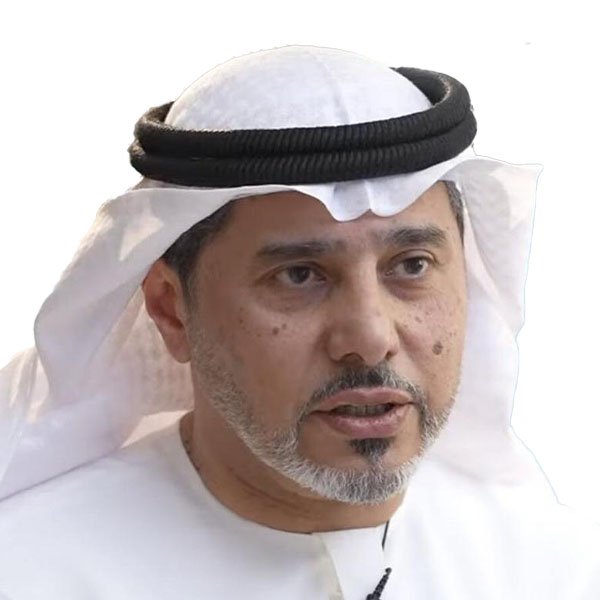
Ai Ping

Former Vice Minister, China
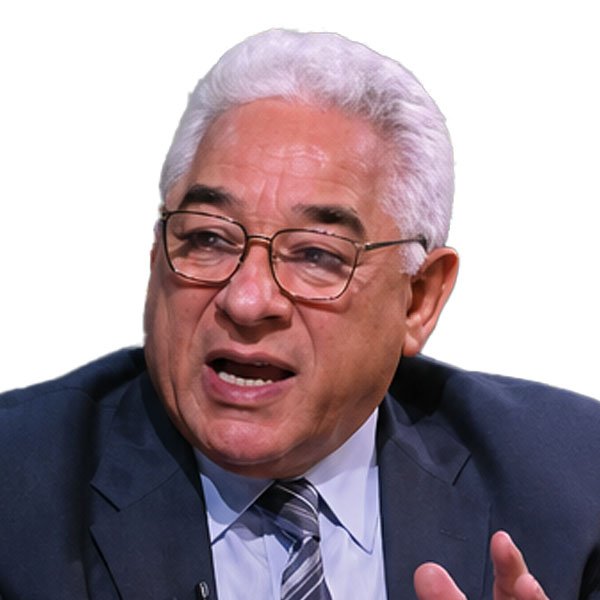
The speech urges Global South unity, China-India cooperation, and governance reform amid U.S.-Israel-Iran conflict reshaping international order worldwide.

Aly El Hefny

Former Deputy Minister, Egypt
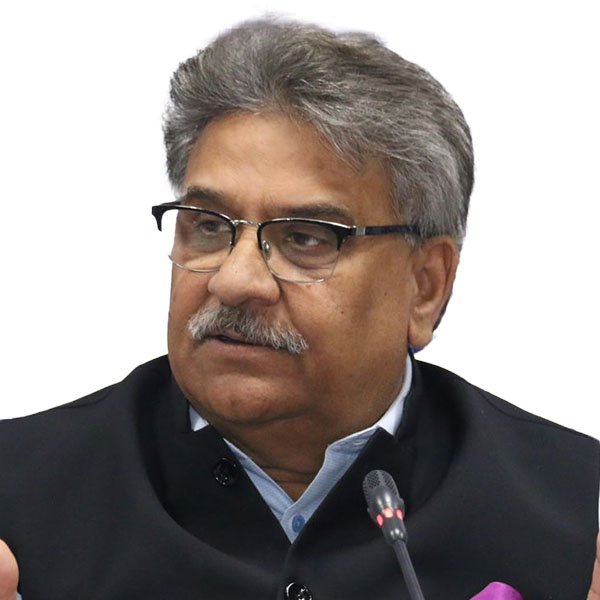
Egypt urges India and China to advance strategic equilibrium, dialogue, Global South cooperation, and inclusive governance amid transition.

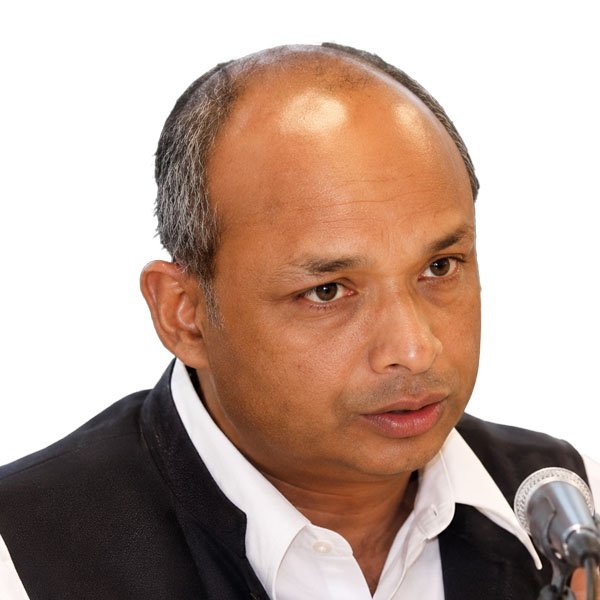
Anil Trigunayat

Former Diplomat, India
Triguniyat argues global order is transitional, marked by trust deficits, emerging bipolarity, governance hypocrisy, and India’s strategic autonomy.

Atul Aneja

Journalist, India

Aneja says managing multipolarity requires India-China cooperation, prioritizing geo-economics, and building connectivity despite geopolitical impediments amid Western decline.

Brigette Saint

International Affairs, Dominican Republic
Brigette argues West Asia reflects shifting power, with China, India, and BRICS redefining cooperation amid multipolar competition globally.

Damyana Bakardzhieva

AGDA, Abu Dhabi

The speech argues the US-Iran war exposes Asia’s Gulf vulnerabilities, pushing China and India toward UAE-centered geoeconomics strategies.

B R Deepak

Jawahar Lal Nehru University, India
Deepak argues China uses trade, industrial capacity, technology, development finance, and alternative payments to challenge US dominance globally.

Diego Martin Carrillo

Strategic Projection to Asia, Argentina

Diego argues global order is transitional, urging emerging powers to practice restraint, multi-alignment, and pragmatic cooperation for stability.

Helga Zepp-LaRouche

Schiller Institute, Germany
Speech warns regional conflicts risk nuclear war, urging Global South unity, development architecture, and ending geopolitics through cooperation.

Hua Han

Beijing Discussion Club

Hua argues emerging order requires multipolarity, connectivity, competitive coexistence, AI governance, civilizational respect, and humane shared equilibrium globally.

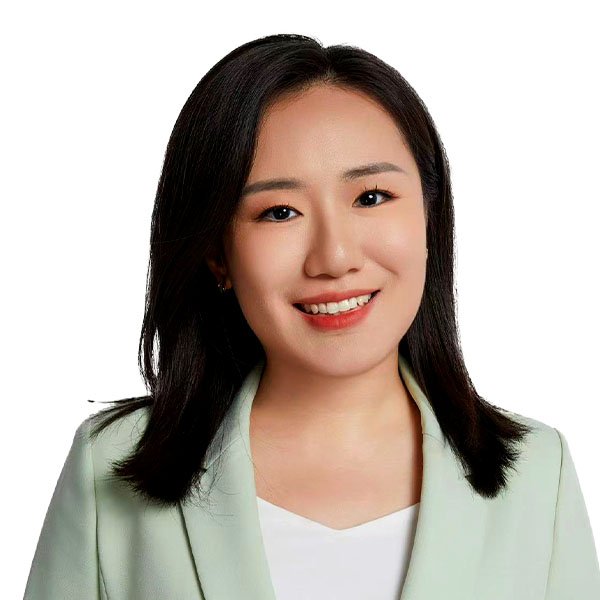
Jianlu B

Senior Journalist, China

Speech argues global opinion rejects hegemony while China’s confident strategic mindset favors equality, sovereignty, and principled dialogue globally.

Lin Minwang

Fudan University, China

Lin argues Middle East deadlock, unstable G2 dynamics, and India’s US alignment constrain China-India cooperation amid global transformation.

Mohammed Bahroon

Public Policy Research Centre, Dubai
Mohammed argues regional wars threaten sovereignty, connectivity, and geoeconomics while UAE should resist polarization and uphold networked diplomacy.

Nisha Taneja

Economist, India

Taneja urges India and China to deepen economic engagement, rebalance trade and investment, and strengthen BRICS cooperation effectively.

Pramit Pal Chaudhuri

Senior Journalist, India
Chaudhary argues America’s isolationist turn undermines alliances, prompting middle powers to build supply chains independent of superpowers globally.

Pravin Sawhney

Security Analyst, Author, India
Sawhny argues multipolarity features three great powers, Asia-Pacific’s rise, competing governance systems, and China-led Global South integration globally.

Rajiv Kumar

Economist, India

Kumar urges Global South collaboration to manage six transitions, build new institutions, ensure sustainable growth, skills, and agriculture.

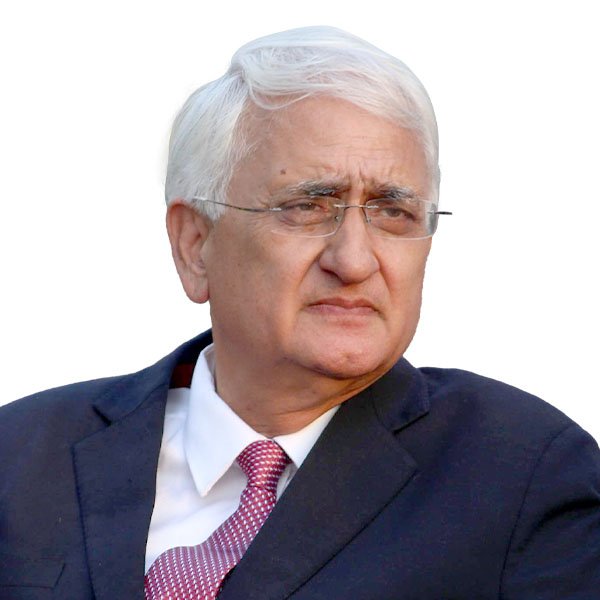
Salman Khurshid

Former Minister, India

Khurshid questions whether emerging order reflects vision or drift, warning ideology’s absence demands global leadership and collective interpretation.

Sofia Kozlova

Center for Social and Conservative Politics, Russia
Sofia argues stable multipolarity needs Eurasian dialogue, SCO-BRICS-CSTO coordination, financial alternatives, and practical steps toward indivisible security globally.

Srikanth Kondapalli

Jawahar Lal Nehru University, India
Kondapalli argues Iran conflict disrupts global order, fragments globalization, pressures China, and accelerates energy-centered multipolar realignments worldwide significantly.

Warwick Powell

Academic, Australia

Powell argues Iran war exposes US strategic defeat, undermines forward basing, elevates Iran, and forces regional security rethinking.

Yuwen Xu

Journalist, China

Speaker urges China and India to advance dialogue, connectivity, autonomy, and Global South governance amid West Asian instability.

Scroll to Top

Discussion Proceedings  |  May 2026

The New World Order: Challenges, Transitions, and the Rise of the Global South

The Center of Geoeconomics for the Global South (COGGS) and the India China Economic and Cultural Council (ICEC) recently hosted an engaging international discussion.

This insightful gathering brought together diplomats, scholars, defence analysts, economists, and media professionals from Asia, the Middle East, Europe, Latin America, and more. Set against the backdrop of the US-Israel-Iran conflict and US President Donald Trump’s state visit to China, the discussion was an exciting opportunity to delve into compelling perspectives on a pivotal question: what will the emerging New World Order look like, and how can the Global South play a vital role in shaping its future?

The West Asia Conflict as a Structural Turning Point

Mr Ai Ping, former Vice Minister of the International Department of the Communist Party of China, discussed the US-Israel-Iran conflict as a pivotal moment in the changing international order. He highlighted the challenges faced by the traditional transatlantic alliance and the need for the U.S. to adapt its influence. Europe must balance its identity as a normative power with security ties to Washington. In the Middle East, external forces affect energy resources, while Global South countries focus on energy volatility and development. Mr Ai outlined four key areas for the Global South: building consensus on values, enhancing resilience through cooperative development, exploring green and digital innovations, and reforming global governance. He encouraged China and India to act as stabilisers for regional security and promote South-South cooperation and multilateralism.

Mr Ali El Hefny, former Deputy Foreign Minister of Egypt, highlighted the shifting dynamics of global governance that stem from contemporary challenges rather than traditional institutions. He urged viewing West Asia as a dynamic choice space, especially for India and China, and emphasised its influence on trade and climate initiatives. Hefny presented Egypt’s vision, which prioritises autonomy and comprises four pillars: fostering strong global partnerships with policy independence, aligning foreign policy with economic diplomacy, advocating for regional stability and a two-state solution for Palestine, and promoting innovation through Egypt’s engagement in organisations such as the African Union and BRICS. He envisions Egypt as a bridge between regions, supporting a respectful international order that upholds sovereignty.

Ms Helga Zepp LaRouche, Founder of the Schiller Institute, presented a historical analysis at the discussion, citing Nehru’s 1955 warning at the Bandung Conference about the dangers of nuclear war. She linked this to NATO’s broken promises since 1991, which contributed to the war in Ukraine and tensions in West Asia. LaRouche criticised the neoconservative agenda for a unipolar order and highlighted setbacks for the U.S., including ineffective regime change efforts in Iran costing over four trillion dollars. She underscored the vulnerabilities of Gulf states reliant on U.S. security, NATO’s fragmentation, and EU disunity. Helga proposed a new international security framework inspired by the Peace of Westphalia. She introduced the Oasis Plan for large-scale ocean desalination to transform Southwest Asia into arable land, advocating collaboration to resolve geopolitical conflicts and calling for the Global South to unite for positive change.

The Geoeconomic Stakes

Damyana Bakardzhieva, a Senior Research Fellow at the Anwar Gargash Diplomatic Academy, offered valuable insights from the ground zero of the conflict zone. She highlighted the human aspect of the conflict three months into the war, including the psychological effect of missile alerts, the cancelled high school exams, and the soaring gasoline prices in the UAE. Bakardzhieva cited alarming international economic indicators, as rising oil prices are adding to inflation in India and a drop in China’s hydrocarbon imports from the Gulf. She also discussed China’s complex position, balancing its role as Iran’s largest trading partner with its ties to Saudi Arabia and the UAE. She said as America’s credibility diminishes in the region, China is emerging as a strategic ally to Iran, and Gulf leaders are seeking China’s involvement to ease tensions.

Paradigm Shifts in Global Opinion and China's Strategic Mindset

Jianlu Bi, a Beijing-based current affairs commentator, recently presented research highlighting two significant shifts in international relations. He said there is a notable shift in global sentiment against American dominance. Jianlu pointed out that there is increasing global support for China and fatigue with confrontational attitudes. He noted that China has evolved into an equal competitor with the West, demonstrating “equal-footed calm confidence’ which marks an exciting period in international relations!

Fundamentals of the Emerging Order

Pravin Sawhney, Editor of Force Magazine and defence analyst, outlined a framework for understanding the New World Order. He discussed multipolarity, noting three perspectives: the U.S. seeks unipolarity under Trump; Russia envisions a polycentric world; and China aims for a genuinely multipolar geoeconomic landscape through initiatives such as the Belt and Road Initiative, which involves 145 countries. Sawhney emphasised that only the U.S., Russia, and China are great powers capable of influencing global affairs and forming international institutions. He pointed out the shift in global economic activity from the Transatlantic region to Eurasia and the Asia-Pacific, driven by the U.S. pivot to Asia and China’s initiatives. He highlighted two global governance models: the traditional hegemonic model focused on military alliances, and a new framework from China and Russia that emphasises sovereign equality and collective security. He concluded that West Asia is experiencing a significant transformation, representing an opportunity for global cooperation.

Warwick Powell, Professor at the Queensland University of Technology and former advisor to Prime Minister Kevin Rudd, offers a critical analysis of the US-Israel war strategy in West Asia, arguing it has failed due to flawed theories of regime change in Iran. He points out significant damage to American forward bases, many now abandoned, and the depletion of the US military arsenal, which will take three to five years to replenish after just five weeks of conflict. This affects US global dominance and highlights Iran’s emergence as a strong regional power, complicating military solutions. Powell warns that weakened US deterrence makes American bases more vulnerable and increases the risk of escalation and proxy violence as the US struggles with declining power.

Voices from the Gulf and the Developing World

Mohammed Bahroon, the Director General of the Public Policy Research Centre in Dubai, shared insights on three interconnected conflicts: US-Israeli actions towards Iran, Iran’s counterattacks on Gulf Cooperation Council (GCC) nations, and the resulting disruptions in the energy market. He emphasised the importance of considering each conflict separately. He expressed concern about attacks on civilian infrastructure and challenges to national sovereignty, particularly regarding Iran’s proposed maritime control over UAE waters. Mohammed cautioned about the risks posed by the polarisation between the US and Iran, which could divide various faith communities. Nevertheless, he remains confident in the UAE’s commitment to connectivity, citing Sheikh Khalid’s visit to China and ongoing engagement with Syria as examples of Abu Dhabi’s dedication to building bridges rather than barriers.

Diego Martin Carrillo, Director of Strategic Projection to Asia at Argentina Global, presented a Latin American perspective on stable multipolarity. He highlighted the transitional phase we are in, where old structures are disintegrating faster than new ones can emerge, leading to a shift away from a single entity controlling the international order. Diego observed the increasing influence of China, India, and Turkey, questioning whether they would foster a cooperative global environment or repeat past rivalries. He emphasised that, for Latin America and the developing world, stability and development take priority over ideological alignment. He called for emerging powers to leverage their growing strengths wisely to promote a more stable global landscape.

Academic and Expert Voices

Lin Mingwang, Vice Dean of the Institute of International Studies at Fudan University, presented three key points. First, he emphasised that Pakistan’s role as a mediator in the Middle East is hindered by the unwillingness of either Iran or the US to make concessions, suggesting a prolonged deadlock akin to the Russia-Ukraine conflict. Second, he noted that despite China’s rejection of a G2 framework, the world is moving toward a G2-like dynamic, which will remain unstable due to resistance from Europe, India, and Russia against a US-China duopoly. Lastly, he commented on China-India relations, stating that India’s foreign policy aligns with the Biden administration’s strategic framework. This continuity limits the potential for near-term collaborative achievements between the two countries.

Brigette Saint, an international affairs analyst and consultant from the Dominican Republic, discussed the West Asia crisis in the context of shifting global power dynamics. She highlighted the growing significance of finance, technology, energy infrastructure, and strategic partnerships over military dominance. Saint noted China’s transition from an economic partner to a key geopolitical actor, while India adopts a multi-aligned approach to achieve strategic autonomy. She emphasised BRICS as a crucial platform for a more representative international system but called for strategic coherence. Additionally, she mentioned that the upcoming Xi-Trump summit could significantly influence the geopolitical order.

Pramit Pal Chaudhary, Head of South Asia at the Eurasia Group, examines the transformation of American politics, emphasising that Trump’s influence reflects a broader shift affecting both major parties. He notes a convergence between progressive Democrats and MAGA Republicans, who now share isolationist and mercantilist views reminiscent of pre-World War I thinking. Chaudhary highlights the decline of the State Department and the National Security Council, suggesting that future Democratic administrations may not easily reverse this shift. He also points out MAGA strategists’ perception of Iran’s influence in the Strait of Hormuz as an opportunity for U.S. energy, and he predicts a gradual American pivot away from Southeast Asia towards Taiwan’s technological assets. Finally, he discusses the emerging economic partnership between India and Japan, which seeks to create supply chains independent of the U.S. and China, reflecting a proactive stance from middle powers in today’s geopolitical landscape.

Dr Rajiv Kumar, Economist and former Vice Chairman of NITI Aayog, reinforced this diagnosis through an equally urgent domestic lens: the world is navigating six simultaneous transitions — geopolitical, climate, technological, demographic, food security, and ecological — and the Global South faces them all. He was emphatic that business as usual is not an option, that all post-WWII institutions, from the WTO to the World Bank, need to be replaced, and that the top 20 nations of the Global South must urgently convene around concrete shared agendas, beginning with regenerative agriculture, clean energy transitions, and cooperation on the demographic dividend.

Yawen Xu, a journalist from CGTN Radio, highlighted China’s proactive role during a transformative phase in global affairs. Through interviews with international guests, she emphasised the world’s need for certainty, stability, and leadership, noting China’s engagement with major powers and developing nations alike. She showcased President Xi’s meetings with Tajikistan’s President and the UNESCO Director-General, underlining China’s commitment to neighbourhood diplomacy. Xu argued that lasting solutions in West Asia depend on constructive dialogue and respect for sovereignty rather than military actions. She also mentioned China’s four-point proposal for West Asia, which promotes sovereignty, peaceful coexistence, international law, and a balanced approach to security. Additionally, Xu called for China and India to collaborate to safeguard Asia’s strategic autonomy, improve supply chain resilience, and amplify the Global South’s voice within BRICS and the SCO. Her optimism for these partnerships is evident!

Shrikanth Kondapalli, Professor of Chinese Studies at Jawaharlal Nehru University, has offered insights into the evolving global dynamics amid ongoing conflicts. He noted that the targeted strikes on February 28 led to an extended conflict rather than the expected immediate outcomes for the US and Israel. The IMF and World Bank project a global growth decline to around 2.3% this year, with Gulf Cooperation Council (GCC) nations facing $45 billion in losses due to a 40% drop in crude oil supplies. Additionally, the Indian rupee has depreciated significantly. Notably, the US Fifth Fleet struggles to gain support from GCC countries, reflecting a shift toward more transactional international relationships. Kondapalli emphasised that countries are now focusing on self-reliance and partnerships aligned with their goals. He also highlighted the importance of green technologies, with significant investments from China, India, Japan, and Korea, and noted India’s remarkable increase in defence exports.

Sofia Kozlova, Communication Chief of the Center for Social and conservative politics (Moscow), with her Eurasian analytical perspective, emphasised the urgent need for innovative multilateral interactions to address the crisis in West Asia. She highlighted the pivotal roles of Moscow, Beijing, and New Delhi and noted the financial transformation, with 13 of the world’s 50 largest banks now Chinese and the CIPS payment system thriving in 194 countries. US sanctions are driving alternatives to the dollar, creating opportunities for collaboration. Kozlova stressed the need for stronger coordination within the Shanghai Cooperation Organisation (SCO) and BRICS, particularly with Iran’s membership in the SCO. She announced a new roadmap for cooperation among the CSTO, SCO, and CIS. She mentioned a pilot initiative for a Unified Expert and Analytical Platform with AI tools to enhance real-time discussions. In closing, she expressed optimism about the shift towards a multipolar world, urging responsible powers to turn commitments into actionable steps for a better future.

Prof. B.R. Deepak, Sinologist and Professor at Jawaharlal Nehru University, discussed how China has been preparing for the evolving global order. He highlighted strategic pillars of China’s positioning, its vast and diversified trade relationships, its expanding development finance and multilateral cooperation across more than 150 countries and 50 international organisations, its industrial capacity, which already accounts for 33% of global industrial output, its technology leadership in AI, new energy vehicles, and renewable energy storage, with domestic chip self-and its development of alternative financial infrastructure that bypasses SWIFT and reduces dependence on the dollar system. He said that while the Global South may not fully bandwagon with China, Beijing has successfully established itself as a credible alternative pole of global economic and political gravity.

Anil Trigunayat, a distinguished former Ambassador and Senior Fellow at the Vivekanandan International Foundation (VIF), provided valuable insights during our discussions. He highlighted the critical gap between aspirations and reality, noting significant trust deficits among major powers, particularly between India and China. This lack of trust has real consequences, as exemplified by China’s limited representation at the recent BRICS meeting during Trump’s visit to Beijing. Trigunayat described the current era as a pivotal transition with challenges and opportunities, suggesting we may be entering a Cold War 2.0 marked by geopolitical divides and geoeconomic multipolarity. He stressed the ongoing crisis in global governance and the ineffectiveness in enforcing the UN Charter. He urged India to bolster its comprehensive national power and maintain strategic autonomy as the best path to navigate these turbulent times.

Nisha Taneja, Professor at the Indian Council for Research on International Economic Relations (ICRIER), analyses the India-China economic relationship, highlighting the potential for collaboration, especially within the Global South, with BRICS serving as a key platform for emerging economies. She emphasises the need for India and China to build a strong economic partnership, as India’s current trade relationship is imbalanced, marked by a significant trade deficit and limited Chinese foreign direct investment (FDI) due to strict regulations. However, Taneja points out a notable 38% increase in India’s exports to China over the last 11 months, driven by shifts in global trade patterns. To capitalise on this momentum, she advocates reforms to FDI policies to attract more Chinese investment and the creation of supportive frameworks, such as business forums and information exchanges. Addressing these issues is essential for India to enhance its role in BRICS and achieve a more balanced partnership with China.

Atul Aneja, a prominent journalist and geopolitical analyst in India, offers insights into the evolving multipolar landscape, particularly influenced by the crisis in Iran. He identifies the India-China relationship as a key challenge affecting the Russia-India-China trilateral partnership within BRICS. Aneja supports Helga Zepp LaRouche’s vision for Eurasian connectivity, highlighting a proposed undersea tunnel linking Alaska to Siberia. This project could pave the way for a unified multipolar world that includes the Americas, Europe, Russia, and Asia. He also discusses the Asia Super Grid, which aims to transmit renewable energy from Xinjiang to Germany and India over a distance of 7,000 kilometres. He asserts that these transformative projects can only succeed if geopolitical tensions are resolved, emphasising the need for enhanced cooperation between India and China to achieve a stable multipolar order and a more interconnected future.

Closing Reflection

Former Indian Foreign Minister Salman Khurshid offered the closing reflections. He noted that the world has moved beyond the “end of history” debate and seems to be entering an “end of ideology” moment. Khurshid posed a thought-provoking question: Are the current transformations organic and structural, or are they person-centric and potentially reversible if political dynamics shift? He drew on historical examples, such as Nehru’s vision of Afro-Asian unity, Mandela’s dedication to African emancipation, and Arafat’s prominent leadership of the Palestinian cause. Khurshid questioned whether the emergence of a new world order requires visionary leaders or can develop organically from structural forces. He likened the discussion’s collective efforts to more than mere symptomatic treatment; he described it as a diagnostic risk-factor assessment. This involves identifying potential pitfalls, exploring possible trajectories, and determining which conditions must be addressed before they escalate to a critical point.

In conclusion, he used a metaphor to compare the current global landscape to an expansive jigsaw puzzle, where each participant possesses only a few pieces, leaving the complete picture unknown. The challenge ahead, he stated, is to identify the next opportunity to bring all the pieces together.

COGGS and ICEC thank all participants for their invaluable contributions to what was, by any measure, a discussion of historic breadth and significance.

Ai Ping

Former Vice Minister, China

Distinguished guests, Ladies and gentlemen, friends:

Good afternoon.

It is a great honor to be invited to this seminar on the “Next World Order.” I would like to share my perspectives on the U.S.-Israel-Iran conflict and cooperation among the Global South.

Currently, the smoke from the Strait of Hormuz has not yet cleared. The U.S.-Israel-Iran conflict is not merely a regional crisis but also a mirror reflecting profound transformations in the international order.  Many think tank scholars have shared their perspectives on the deeper implications of this conflict. Some analysts argue that it demonstrates the growing challenges to the effectiveness and legitimacy of the hegemonic order established since

World War II—one founded on US military alliances and power deterrence—the foundations of the transatlantic alliance are weakening. Scholars note that the conflict is accelerating structural imbalances in the international security system, with profound shifts in the balance of power among major countries continuously undermining the traditional security framework. Additionally, commentators emphasize that this crisis has prompted reflection of the global community and awakened the Global South, underscoring the need for enhanced proactive collaboration to jointly uphold the international legal system centered on the UN Charter.

This conflict serves as a stress test, compelling major powers to re-examine their roles and strategies while posing a severe challenge to all parties. For the US, it involves maintaining influence within an alliance system that no longer operates under absolute command in an increasingly multi-polar world. For Europe, it entails grappling with the divide between “ideals” and “realities” —on one hand striving to uphold its image as a “normative power,” while on the other failing to fully escape its security dependence on the US and its historical burden. For countries in the Middle East, the challenge is the security vacuum and the risk of having their energy lifelines controlled by external forces. For Global South countries, the challenges include volatility in energy prices, soaring logistics costs, disruptions in the supply of critical materials, and greater uncertainties in their development processes.

In a world fraught with turbulence and change, the Global South must not be a passive recipient of existing order, but should instead become a co-shapers of the future. In my view, we should focus on the following four areas.

First, foster value consensus through strategic solidarity. Global South countries must transcend internal divisions and unite strongly around fundamental principles such as upholding multilateralism, maintaining the central role of the UN, and advancing an equitable and orderly world multipolar system. Platforms like the expanded BRICS and the Shanghai Cooperation Organization (SCO) should serve as core carrier for consolidating this strategic solidarity.

Second, strengthen resilience through development cooperation. The top priority is to jointly mitigate the spillover impacts of crises. The Global South should enhance policy coordination and mutual assistance in areas such as energy security, food security, and financial stability. More importantly, we must focus on “development as the greatest common divisor,” leverage the vast domestic markets, young populations, and industrial upgrading potential of the Global South to cultivate internal drivers of growth and reduce external dependence.

Third, open up new frontiers through green and digital transformation. The global restructuring of the green industry presents a win-win cooperation opportunity for China and the Global South. Global South countries should join forces to secure equitable climate financing, jointly develop green technologies, and integrate them into high-value-added segments of the global digital and green value chains. This is not only essential for addressing the climate crisis, but also crucial for securing the initiative in future development.

Fourth, strive for institutional power through global governance reform. We must jointly advance the reform of international organizations to enhance the voice and representation of Global South countries and promote the establishment of a more equitable and rational global governance system. In international trade, we must firmly uphold the multilateral trading system centered on the WTO and oppose unilateralism and protectionism.

As the two largest and most representative countries in the Global South, China-India relations serve as a barometer for the overall future of Global South. Encouragingly, these relations are developing healthily and steadily along the path set by the leaders of our two countries, laying a solid foundation for bilateral cooperation in regional and global affairs. In the face of geopolitical shifts such as the US-Israel-Iran conflict, China and India can play three key roles.

First, serve as “stabilizers” for regional security by jointly advocating dialogue and reconciliation and providing constructive solutions to de-escalate conflicts. Second, act as “propellers” for South-South cooperation. In the next two years, India and China will successively chair the BRICS summit. Both sides should support each other and work together to achieve more tangible outcomes in BRICS cooperation. Third, uphold multilateralism as its “defenders.” Both sides should enhance communication and coordination on major global issues, jointly advocate for the Global South, and promote the establishment of a more just and equitable international order.

Distinguished guests, ladies and gentlemen, friends. The smoke of the US-Iran conflict will eventually dissipate, but the logic of international order transformation it reveals will endure for the long term. We stand at a historic crossroads: Are we moving toward a multi-polar world that is more equal, inclusive, and cooperative, or sliding into an abyss of division, confrontation, and chaos? The answer lies largely in the hands of Global South countries. By strengthening internal unity, focusing on common development, advancing governance reforms—and particularly through the responsible leadership of major countries like China and India—the Global South is fully capable of turning current challenges into opportunities to reshape the international order. Let us move forward side by side, resolve disputes through cooperation, overcome difficulties through development, meet challenges through unity, and unswervingly advance the building of a community with a shared future for mankind, working together to create an even brighter future for humanity!

Thank you.

Aly El Hefny

Former Deputy Minister, Egypt

Delivered at the Forum: “Next World Order: West Asia’s Conflict and the Strategic Choices Before India and China”

Theme: The New World Order, the Choice Before India and China & The Strategic Equilibrium White Book: Egyptian Foreign Policy in 10 Years

Your Excellencies, distinguished delegates, scholars, and friends,

It is a profound honor to address this gathering at a moment when the architecture of global governance is being rewritten not in the halls of historic institutions, but in the crucibles of contemporary crisis and cooperation. The theme of this forum captures the defining challenge of our era: how civilizational states and emerging powers will navigate a world that is no longer unipolar, not yet multipolar, but unmistakably in transition.

West Asia is often described as a theater of conflict. I would describe it differently: it is a mirror. The protracted tragedies in Gaza, the Levant, and the Red Sea; the contestation over energy corridors, maritime security, and normative frameworks; the humanitarian urgency and the geopolitical calculus—all reflect a global system shedding its old skin. The unipolar moment has receded. What replaces it will depend not on the weight of arms, but on the wisdom of choices.

For India and China, two ancient civilizations and pillars of the Global South, those choices carry historic consequence. The relationship between New Delhi and Beijing will shape trade flows, technological standards, climate action, and the very grammar of multilateral reform. Competition is inevitable; conflict is not. Strategic restraint, economic interdependence, institutionalized dialogue, and a shared commitment to a reformed, representative international order must be the compass. Both nations face parallel imperatives: lifting hundreds of millions into prosperity, securing energy and food systems, managing demographic transitions, and asserting agency in a world where rules are still being negotiated. The choice before India and China is not between rivalry and isolation, but between managed competition and shared stewardship.

From Cairo, we observe this transition not with apprehension, but with agency. Egypt’s diplomatic tradition has always been one of strategic equilibrium: cultivating partnerships across continents without entanglement in zero-sum blocs; advocating for dialogue over deterrence; and positioning the nation as a bridge between regions, not a battleground for them. It is in this spirit that Egyptian policy circles are advancing a forward-looking framework, crystallized in what we term The Strategic Equilibrium White Book: Egyptian Foreign Policy in 10 Years.

This is not a doctrine of alignment. It is a blueprint of autonomy. Over the next decade, Egypt’s foreign policy will rest on four pillars:

First, Strategic Equilibrium as Statecraft. Deepening comprehensive partnerships with China, India, the EU, the United States, Russia, and our African and Arab neighbors, while safeguarding policy independence. Egypt will continue to diversify its diplomatic, economic, and security engagements to ensure resilience against external shocks and bloc polarization.

Second, Economic Diplomacy as National Priority. Foreign policy must serve development. Over the next decade, Egypt will anchor its international engagements in infrastructure modernization, green hydrogen and renewable energy, digital transformation, pharmaceutical and food security cooperation, and South-South trade integration. The Suez Canal Economic Zone, the new administrative capital, and our industrial upgrading initiatives are not merely domestic projects; they are platforms for multilateral partnership.

Third, Regional Stabilization through Dialogue. West Asia cannot be managed by military calculus alone. Egypt will continue to champion immediate ceasefire mechanisms, humanitarian corridors, and a credible political pathway to a two-state solution. We will work with Arab, African, and Global South partners to advance a regional security architecture that prioritizes conflict prevention, water and energy cooperation, and the de-escalation of proxy dynamics.

Fourth, Institutional Innovation and Global South Leadership. The Bretton Woods institutions, the UN Security Council, and global standard-setting bodies must reflect 21st-century realities. Egypt will leverage its roles in the African Union, the Arab League, the Non-Aligned Movement, and BRICS to advocate for equitable financing, technology transfer, debt sustainability frameworks, and a multilateralism that is inclusive, not exclusive.

As Deputy President of the Egyptian Chinese Friendship Association, I witness daily the tangible dividends of Cairo-Beijing cooperation: from vocational training centers to renewable energy projects, from port logistics to cultural and educational exchanges. Our Comprehensive Strategic Partnership is built on mutual respect, shared development goals, and a commitment to civilizational dialogue. Yet Egyptian friendship is expansive, not exclusive. We believe India and China can be complementary engines of Global South advancement. Triangular cooperation—Egypt, India, China—can unlock synergies in infrastructure financing, agricultural technology, public health, and digital public goods. Let us build networks of cooperation that multiply opportunities rather than fragment markets.

The new world order will not be decreed. It will be negotiated. It will be tested in how we respond to famine as much as to finance, to climate displacement as much to cyber threats, to diplomatic patience as much to military posture. Egypt stands ready as a stabilizer, a convener, and a partner. We call on India and China to institutionalize crisis communication, expand economic decoupling safeguards, and co-lead Global South initiatives that prioritize development over division.

Let us choose an order where sovereignty is respected, not weaponized; where interdependence is managed, not feared; where dialogue is the first resort, not the last. The next decade will belong to those who build bridges before walls, who invest in human capital before hard power, and who recognize that the true measure of strategic equilibrium is not balance of power, but balance of purpose.

Thank you for your attention. I wish this forum rigorous deliberation, constructive outcomes, and a shared commitment to the world we must build together.

Thanks a lot.

Anil Trigunayat

Former Diplomat, India

You know there are two things. One is an aspiration, another is a reality. Power is a reality and the power differential is something that dictates the world order. So when we are looking at most of these features, we all know what should be but how it is going to be achieved. Has it ever been. Are we talking about some kind of Ram Raji in the global sense of the term? I don’t think so. In my view and in two minutes that’s what I want to just say is that there is a tremendous trust deficit in the system and among the major powers, including between India and China. It was mentioned that we could work together, we could do this or that, but there is that has to be pushed and there are reasons for it. Somebody said we should work through ric.

They are doing the same BRICS tomorrow. We’ll see a lot of commentary when the BRICS form. Nobody, I mean there’s an ambassador from Chinese embassy who wouldn’t be representing. So naturally there will be a lot of talk about it. Whether are you really committed to dude, just because Trump is coming there that you don’t have an adequate level representation here. So these are things that will be talked about which is, which has a basis in something there. So what I feel is that what we are looking at is we are in between orders. Basically it’s transition that is taking place. Nobody know how it is going to play out eventually. But how I look at it is we are heading towards a similar kind of a Cold War 2.0. There will be a geopolitical and geotechnological bipolarity and we will see the multipolarity of sorts in the geoeconomic sense. That is something that will continue today. The global governance is utter crisis. Now. Do you think that when we talk about the okay, UN should be means UN Charter should be respected. That’s the ideal thing. It has never been respected by anybody who is respected. Countries like us, we always stand by multipolarity and this and that. It has become something a refuge of the weak in a way that okay, you always talk about the right kind of things, but nobody is following it. You have countries which have signed the unclause, they don’t follow it. You have a country which is not ratified but always refers to it and try to impose even in the state of foremost. Now these are the kind of contradictions, hypocrisy in the global order that is going to continue to play. And we need to strengthen ourselves, develop our comprehensive power, be sane in our foreign policy approach. Strategic autonomy has paid us well and I think we need to continue to do so. As far as India is concerned, I’ll stop here because there’s too much of.

Thank you.

Atul Aneja

Journalist, India

Now I’ll request Mr. Atul Raneja,one of our foremost geopolitical analyst, an expert in China and West Asia who has lived in China and UAE both. Yeah, Sakita, thank you so much. You know, we have come to this conclusion that multipolarity has arrived and the Iran crisis has accelerated that chaotic process forward. Stability has not aligned. We also, what Pramit said about the decline of America is very real. So the problem arises, how do we manage multipolarity? Essentially, that is the issue. And I think I’ll be up front here since I have got two minutes, that the basic impediment to that is the India, China relationship. Because India, China relationship and the prison state at which it stands is impeding the Russia, India, China trilateral, which is the core of the brics. It is hampering the BRICS process itself.

And I think if you want to look at the larger picture of multipolarity, of consolidating multipolarity, again, this has come in the way, I think if you go by what Helga was saying, she talked about the Eurasian land bridge. We have to really have multipolarity. We have to build new connectivity. And over there, if she’s still there, you know, one of her writings was about the world land bridge, which was very interesting. Again, knitting into multipolarity, which was if you build the undersea tunnel from the Bering Strait, then you’re connecting Alaska with Siberian and that brings a huge corridor which goes right up to Europe. So if you want to have a real multipolar world, while we agree that the Americans are declining and the Europeans are declining, but they’re not done. I mean, they’re not gone. They are important poles of this multipolar system. And here is a situation where you can connect this corridor which can come right from the Americas and goes into Europe. But the problem again, which is coming is that if we do not prioritize geo economics over geopolitics, this is going to be, you know, geopolitics is going to stand in the way. So I think overall there’s a huge opportunity which is coming. Connectivity is the way forward. There is also a very interesting idea about the Asia super grid, by the way, which the Chinese, Russians and the Koreans and the Japanese at one time floated, which was connecting renewable energy, collecting it near Xinjiang and then going, because we have ultra high frequency voltage lines now you can Transmit it to 7,000km. So you can do it to Germany, you can do it right up to Bhutan and thereafter into India. So these are great ideas which open out with the end of, or the near end of unipolarity and the emergence of multipolarity great geoeconomic projects. We got to look at the, the geopolitical impediments. But if the perspective has to be right first geo economic and then remove your problems which are geopolitical here again I, I conclude by saying that India and China have to get together otherwise it’s not going to work.

Thank you.

Brigette Saint

International Affairs, Dominican Republic

Good afternoon, and thank you for the invitation to participate in this timely discussion.

What we are witnessing in West Asia is not only a regional crisis. It is also a reflection of a deeper transformation taking place within the international system.

Today, the debate is no longer simply about conflict or security. It is about the future structure of global power itself.

For decades, the international order was shaped largely around Western-led institutions and security frameworks. But the current geopolitical environment suggests that we are entering a far more fragmented and competitive era, where influence is increasingly exercised through finance, technology, energy, infrastructure, and strategic partnerships.

In this context, both China and India are becoming central actors in shaping what comes next, although through very different approaches.

China is gradually moving beyond the role of economic partner and positioning itself as a geopolitical and geoeconomic actor with growing influence in mediation, financial systems, connectivity, and regional stability.

India, meanwhile, is pursuing a sophisticated strategy of multi-alignment. Rather than choosing between blocs, it is attempting to preserve strategic autonomy while simultaneously strengthening relations with major powers, the Gulf region, BRICS, and the broader Global South.

What makes this moment particularly important is that cooperation itself is being redefined.

Cooperation today is no longer only about development assistance or trade. It is increasingly connected to strategic influence, resilience, diplomacy, and the ability to shape emerging global norms.

At the same time, the rise of platforms such as BRICS reflects a broader demand for a more representative international system. However, the real challenge will not simply be creating alternatives, but building enough strategic coherence to sustain them.

Ultimately, West Asia may become one of the defining arenas where the future balance between competition, cooperation, and multipolarity will be tested.

Thank you.

Damyana Bakardzhieva

AGDA, Abu Dhabi

The US-Iran War and the Strategic Choices Before India and China

A Geoeconomic or Political Economy of Economic Diplomacy Perspective

with Focus on the Gulf and the UAE

I seem to be the only panelist on the ground in the region, so let me tell you how things are seen from the terrain with the disclosure that these are my personal opinions.

The war is now in its third month. The Strait remains closed. Trump has called Iran’s latest ceasefire response “totally unacceptable,” oil prices have surged nearly twenty dollars above pre-war levels, and even us here in the UAE pay more per liter of gasoline. Our children have lost months of education, we have been waking up in the middle of the night from missile alerts, our economic sectors are affected, though to various degrees. Things have different proportions and different stakes when seen from the ground then when looked at from a distance.

In this context, I will go over the importance of the conflict for India and China, while keeping in mind the fact that the strategic choices facing these countries now in their relationships with the Gulf are among the most consequential and underanalyzed dimensions of this conflict.

The Geoeconomic Stakes: Why This War Hits Asia Hardest

Let’s start by one simple fact that is often lost in the geopolitical noise: East Asian powers import roughly 60% of their oil from the Middle East, and the Strait of Hormuz is the chokepoint through which all of it must flow. This is not an abstraction. For China and India — the world’s two most populous nations, both at critical inflection points of industrial and economic development — a sustained disruption of Gulf energy is not a distant geopolitical problem. It is an existential economic threat.

China is the world’s largest LNG importer, and Qatar and the UAE alone supply approximately 30% of its total LNG imports. China’s hydrocarbon imports in March 2026 from the Gulf dropped by 25%. For India, which imports 85 to 90% of its crude oil requirements, with nearly half of those imports transiting through the Strait of Hormuz from Iraq, Saudi Arabia, the UAE, and Kuwait, the numbers are equally alarming. Goldman Sachs has already lowered its 2026 India growth estimate to 5.9% from 7%, and every ten-dollar rise in oil prices adds 0.2 to 0.25 percentage points to Indian inflation.

So both China and India have enormous stakes in the conflict. But their strategic positions, their options, their leverage, their vulnerabilities, are profoundly different. And that difference is clearly visible in how each country has engaged, or failed to engage, with the Gulf states, and with the UAE in particular.

China: The Reluctant Power with Everything to Lose and Everything to Gain

China entered this crisis with a paradox at its core. On one hand, Beijing was Iran’s largest trading partner, and the 2021 Comprehensive Strategic Partnership positioned Iran as a node in the Belt and Road Initiative. On the other hand, Saudi Arabia and the United Arab Emirates are already among the biggest buyers of Chinese drones and defence technologies, and China’s entire Gulf strategy has been built on the premise of being the economic partner that asks no political questions.

The war has exposed the limits of that posture. Beijing has made massive economic investments and has deep political ties with Tehran, but it was unable to shield Iran from the war, which exposed the limits of its cautious approach to regional security.

Then Iranian missiles struck Gulf capitals, damaging plenty of purely civil infrastructure, and China found itself in an impossible diplomatic position: needing to express outrage at US and Israeli strikes on Iran but being unable to clearly condemn Iranian reprisals on its Gulf partners.

China’s response was therefore carefully calibrated. It adopted a restrained posture, emphasizing diplomacy while providing what intelligence assessments described by experts as indirect support to Iran — including dual-use technologies like radar systems and navigation equipment exported pre-war. Jointly with Pakistan, it proposed a five-point peace plan and provided what Brookings describes as the “last-minute intervention” that pushed Iran toward the April ceasefire. Pakistan was the visible mediator; China acted as the strategic backstop.

There is a geoeconomic punchline to this conflict. China is likely going to be the main beneficiary of the United States’ perceived loss of credibility and leadership in the region. In April, both the Abu Dhabi Crown Prince and the Saudi Foreign Minister reached out to President Xi Jinping, asking China to play a greater role in de-escalation. This is an important pivot. Gulf states view China not as the new America, but as a necessary hedge — a multipolar insurance policy in a world where the old oil-for-security arrangement with Washington no longer seems enough of a guarantee.

The UAE’s relationship with China runs deep. China is the UAE’s main trade partner. The mBridge project, involving the central banks of China and the UAE, is already experimenting with a digital currency platform to settle cross-border payments. Chinese construction contracts now represent 36% of Beijing’s overseas portfolio in the Middle East.

China’s strategic challenge, however, remains structural. It cannot be both Iran’s protector and the Gulf’s preferred economic partner. The war has forced a choice. China officially declared neutrality, positioning itself for post-conflict reconstruction in Iran, while safeguarding its critical energy relationships across the Gulf. Whether that balancing act holds will define Beijing’s regional influence for the decade ahead.

India: Strategically Caught, Diplomatically Frozen

India’s position is in some ways more dramatic and more instructive than China’s, because India entered this war believing it had successfully threaded the needle of multi-alignment. It seems that the war indicates otherwise.

When the strikes began, India initially appeared largely shielded from consequences: it had limited oil imports from Tehran and good relations with the Gulf and the US. Within a week, that calculus proved wrong.

India imports the majority of its energy from Gulf states and depends on them to employ approximately nine million migrant workers who remit over 50 billion dollars annually. Its aviation sector has been devastated by the airspace restrictions across Iran, Qatar, the UAE, Kuwait, and Israel forcing mass flight cancellations and rerouting costs that have at least doubled for major carriers.

And of course, there is Chabahar — what some call “the crown jewel of India’s western connectivity strategy”. For two decades, Chabahar has been a centerpiece of India’s hopes of building a trade and transit corridor linking it to landlocked Afghanistan and Central Asia, bypassing Pakistan, outflanking China’s Gwadar Port just 140 kilometers away. India invested over 120 million dollars in the Shahid Beheshti terminal. But in September 2025, the Trump administration revoked all exemptions to Iran-related sanctions. India secured a last extension until April 26th, 2026, after reportedly promising to wind down operations. The 2026-27 Union Budget allocated zero funds for Chabahar — a first in over a decade. The Chabahar Port never fully materialized into the trade corridor that would challenge the China-Pakistan Economic Corridor (CPEC).

India’s situation in the Gulf is different than China’s too. India’s large diaspora in the UAE, nearly three million strong, the largest single national community in the country, gives New Delhi a unique form of soft power in Abu Dhabi and Dubai that no balance sheet can fully capture.

The strategic pivot for India now runs through the India-Middle East-Europe Economic Corridor, or IMEC. Experts argue that IMEC may now gain momentum precisely because the INSTC via Iran has stalled. The very crisis that has damaged one of India’s grand connectivity bets is making the case for doubling down on the other. And IMEC runs directly through the UAE, through the ports of Fujairah and Abu Dhabi, through the financial architecture of DIFC, through the logistics networks that make Dubai the world’s third-busiest re-export hub.

This is where I see India’s strategic opportunity lies: not in Iran, but in doubling its engagement with the Gulf, using the UAE as the anchor of a new western connectivity architecture that links Mumbai to the Mediterranean without touching contested territory.

The UAE: The Pivot State Every Power Needs

What this conflict has revealed, above all, is that the UAE occupies a uniquely pivotal position in the geoeconomics of the new multipolar order. It was struck by the largest number of Iranian missiles and drones. One is to think that UAE’s economic success had generated too much envy. It hosted US military assets. It maintained diplomatic channels with China. It sheltered Indian workers and trade flows. It is simultaneously a US treaty partner, a Chinese economic partner, an Indian diaspora hub, and as Reem Al Hashimy put it just last week — a country that has to reckon with the geographic reality that “we’re going to have to live with each other, the Gulf states and Iran.”

Abu Dhabi is not choosing sides. It is choosing architecture — building redundancy into its security relationships, its financial systems, and its connectivity networks. The mBridge digital currency project with China, the IMEC corridor with India and the US, the Vision 2031 diversification away from oil — all of these are moves by a small state with enormous capital and acute strategic intelligence toward a world where no single guarantor can be fully trusted.

For India and China alike, the UAE is not a battlefield to be won. It is a platform to be cultivated. And in a Gulf reshaped by war, the power that most skilfully deepens its partnership with Abu Dhabi — on terms that respect Emirati sovereignty and serve Emirati interests — will hold decisive leverage over the energy, trade, and financial flows of the 21st century.

B R Deepak

Jawahar Lal Nehru University, India

In fact what I’m trying to do is you know to flag out what China has been doing how it’s preparing for the evolving global order and what is expecting from the global set out and how the global south would behave in terms of taking side land banking or whether they would be taking cautious approaches. While I think West Asia conflict has further damaged and perhaps bruised the US As Iran launched thousands of missiles and drones inside the US military bases and Middle east thus questioning the security of these countries beyond West Asia. The US unilateralism and military coercion is reflected in Venezuela, Cuba, Mexico, Canada, Greenland Asians and taking its alliance and partners including NATO. In contrast, China has projecting itself as a responsible stakeholder the international and affairs have avoided conflicts through so do cockpit in Iraq and a hard place but have argued for peaceful dialogue and supporting the ceasefire broken through Pakistan.

What are the approaches China has adopted and what and adopted and you know what the instrument what these being instrument then reshaping and redefining the new order of so to order. So let this examine. I’ll flag out three or four points. Deepak, just very quickly, just the gist of it. We are already 20 minutes over. Yeah. One is of course his economic strength and diversified markets. And if we see trade with Africa almost 282 billion in Latin America again 515 billion ASEAN more than $1 trillion. So I think that is how China prepared itself to take on American hedgemen. Beyond trader China has expanded development, finance and multilateral cooperation. It produces more than 150 countries and over 50 international organizations BRI and there are various instruments you know financing BRI but I’ll not go through those. And second, China’s vast industrial capacity we have been talking about you know its industrial output accounts for 33% and perhaps would be catapulted to 40% by 2030. 

If we see us I think it has been on a continuous decline. And fourth, as has been by other distinguished speakers is technology for leadership in emerging fields including AI new energy vehicles and renewable energy storage. And as we portrayed at evidence to that the US must engage China and sustain global innovation. Because you know, according to some of the very renowned professors in China for example some of my friends in Remin they have pointed out that China domestic firms chip self sufficiency was only 5% in 2017, but now it is 2% to 45% and soon will exceed 50%. And fifth, the paradox is that the sanctions themselves are accelerating efforts to create alternative to US financial dominance. Countries targeted by sanctioning Dinghy’s propaganda to bypass the dollar system altogether. And of course China I think has developed various, you can say the systems which bypass swift, as has been elaborated from Russia. 

Finally, Beijing has invested heavily in parallel, you can say payment which had been flagged out. Therefore, while the American financial architecture remained dominant, it is no longer uncontested and China has redefined it as has been staggered countries, especially in the global South. I think whether the global south will bandwagon China thinking at this point it is uncertain as the U.S. well, I mentioned the global geopolitics and economics, but certainly China has managed to offer another option.

Diego Martin Carrillo

Strategic Projection to Asia, Argentina

Good afternoon everyone, distinguished colleagues and fellow participants.

First of all, I would like to thank the India-China Economic and Cultural Council and the Center of Geo-economics for the Global South for the invitation to participate in this important discussion. Especially to Mr. Mohammed Saqib, a good friend and better professional, who gently invited me to be part of the Seminar. I am very happy to share the floor once again

I join you from Argentina, and I am honored to contribute to a debate that is increasingly relevant not only for Asia, but for the entire international system.

We are living through a moment in which the global order is no longer defined by stability, but by transition.

The military conflicts along the world, especially the ongoing war between Iran and USA and Israel recently mentioned are changing the idea of what we used to understand as ORDER. They are not isolated regional conflicts. They are symptoms of a deeper transformation: the gradual erosion of a unipolar order and the emergence of a more fragmented, competitive, and uncertain international environment

However, I believe we must be careful before calling this as a “new order” or a “new stage of a fully consolidated multipolar world”. 

In my humble opinion, what we are witnessing today is not yet a stable multipolarity (as her Excellency Aly El-Hefny said previously). It is, rather, a period of strategic transitionan intermediate phase where old structures are weakening faster than new ones are being built

The challenge facing today’s international order does not lie in the disappearance of a rules-based world, but rather in the erosion of the consensus over what those rules were, who defined them, and under what legitimacy they were sustained. The international system is not entering an era without norms, but rather transitioning toward a scenario in which multiple actors — traditional, emerging, and regional powers — simultaneously compete for the authority to establish new ones. Rules still exist, but they are no longer universal or unquestioned; they have become objects of negotiation, competition, and even confrontation. This growing fragmentation has also been accompanied by a dangerous increase in the use of military means as instruments of political pressure and strategic competition, raising the risks of miscalculation and broader escalation. The real shift of our time is not the end of international order itself, but the end of the monopoly over the definition of that order.

In this context, countries such as India, China (even Türkiye just to mention a few) are no longer simply “emerging powers”. They are becoming structural actors in the definition of the next international balance.

And this raises a fundamental question: Will these powers contribute to the construction of a more balanced and cooperative order, or will they become trapped in the same cycles of rivalry and bloc confrontation that characterized previous eras?

From the perspective of the so-called Global South countries, this question is crucial.

Basically, because many developing countries no longer seek ideological alignment. They seek stability, prosperity, development. They need to improve the infrastructure, to increase trade, technological access, and strategic autonomy.

In many regions of the world — including Latin America — there is growing fatigue with binary geopolitical logic. Countries increasingly resist the idea that international relations must once again be organized around rigid camps. Pragmatism seem to be the new fashion word.

The concept of “multi-alignment” has attracted so much attention globally. But of course, not all can sustain it. India has attempted to preserve strategic flexibility while simultaneously engaging with the United States, Russia, Europe, the Gulf states, and China. This shouldn’t be seen as ambiguity but as strategic pragmatism.

In many ways, it reflects the reality of the 21st century more accurately than traditional alliance systems. But is a very difficult exercise to be done by those with less relevance and weight.

At the same time, China’s role is also evolving rapidly.

For decades, China was primarily perceived in West Asia as an economic actor: a buyer of energy, a builder of infrastructure, and a trade partner.

Today, however, Beijing increasingly faces pressure — both external and internal — to assume a broader geopolitical role.

The Saudi-Iran rapprochement mediated by China was an important signal. It demonstrated that Beijing is testing a new international identity: not only as an economic power, but potentially as a diplomatic and stabilizing actor.

China could have the opportunity to play a constructive role in preventing further escalation in the region. Given its ties across the region, Beijing could help create conditions more favorable to stability and diplomatic containment, encouraging dialogue and strategic restraint.

The key question is whether China can expand this role without abandoning the principles that made its rise attractive to much of the Global South: non-interference, predictability, and economic pragmatism.

Because once a major power becomes deeply involved in regional security dynamics, expectations change. And with expectations come risks — particularly in an international environment increasingly shaped by strategic mistrust. Greater Chinese involvement in sensitive regional issues may not only raise concerns among local actors, but also deepen suspicions in Washington, reinforcing a broader logic of geopolitical competition and mutual distrust between major powers

What take me to what in my view is one of the most important consequences of the current geopolitical transition: which is that economics and security are becoming increasingly inseparable.

Trade routes, energy corridors, semiconductor supply chains, rare earths, digital infrastructure, maritime security — all are now part of strategic competition.

This is why new forums such as BRICS and the Shanghai Cooperation Organization matter. Not because they represent anti-Western blocs (they shouldn’t be seen like that), but because they reflect the growing desire of many countries to diversify partnerships and reduce systemic vulnerabilities.

The future international order may not be defined by one hegemon replacing another. It may instead be defined by the coexistence of multiple centers of influence, overlapping coalitions, and flexible strategic partnerships.

That future will inevitably be more complex. But complexity does not necessarily mean chaos.

If managed wisely, it could also create space for greater balance, greater representation, and greater autonomy for the developing world. This wisdom is what I expect (or better said “I hope”) to emerge from today’s summit in Beijing between Xi and US president Donald Trump.

As someone speaking from Latin America, I believe this perspective has an opportunity — and perhaps even a responsibility — to avoid reproducing the rigid confrontational logic of the past.

The challenge for emerging powers today is not simply to become stronger. It is to demonstrate that power can be exercised with restraint, with strategic patience, and with an understanding that stability itself must become once again in the world’s most valuable assets.

Thank you very much. I look forward to the discussion.

Helga Zepp-LaRouche

Schiller Institute, Germany

And there is the danger that several, if not all the regional conflicts could escalate

into a global nuclear war. This was a danger which was already highlighted by Prime Minister Nero at the Bandung Conference in 1955.

And I read you the quote of what Prime Minister Nero said, quote, even if tactical atomic weapons as they are called are used, the next step would be the use of the big atomic bomb. You cannot stop these things.

Any elation will result not only in the countries engaged in the war, but owing to the radioactive waves which go thousands and thousands of miles, it will destroy everything. So that is obviously what the world is faced with, Nero being aware of the fact that the implication of a global war for the global south would be as devastating as for the north.

Now the question is how did we get to this point?

At the end of the Cold War in 1991, there was the chance to create a peace order. And we from the Schiller Institute and the LaRouche movement proposed at this point the Eurasian Land Bridge as the economic basis for such a peace order. This concept is today very much in realization through the Belt and Road Initiative. Now unfortunately our proposals at that time were rejected because the neocons in Great Britain and in the United States insisted to use the so-called defeat of communism to create an unipolar world based on the Anglo-American special relationship which was supposed to be modeled on the British Empire.

This intention is not just a question of the past, that this is the intention of the British and the Americans was demonstrated with the incredible speech of King Charles in the US Congress at the occasion of the 250th anniversary of the American Revolution where he practically tried to eradicate even the memory of the American Revolution, that it was directed against the British Empire and that the war of independence of the United States was in reality the first anti-colonial war in history, a fact which was also emphasized at the Bandung conference by several speakers.

Now in 1989-1991 at the end of the Cold War there was the clear promise that NATO would not move one inch to the east. And Putin just now reiterated in an interview with Pavel Zarubin that this was obviously an intentioned lies and to make a long story short the Ukraine war was the result of these lies. Now this all led to an incredible blowback by the global South who absolutely rejected

the unilateral sanctions, the weaponization of the dollar, the interventionist wars in Afghanistan, Iraq, Libya, Syria and so forth. And because of the rise of China and Asia in general and the BRICS, the countries of the global South now have for the first time the chance to end colonialism an epoch of 500 years.

Now this is obviously not accepted by the forces of the old order and behind all regional conflicts is the geopolitical motive which is also behind the Iran war, the unprovoked war of aggression by the US and Israel against Iran which targets naturally Iran but also Russia, China and India. The result is that the entire Mideast order is shattered. More than two months after the war it is clear the United States lost that war, so they lost against a middle-sized power, none of their goals have been reached, neither regime change nor anything else and the Iran on the contrary is now emerging as a major power in world politics.

The business model of the Gulf states is finished because it was based on the idea of protection through US bases which contrary to giving protection made these countries targets. Now the cost after only 60 days was not 25 billion as the Pentagon said but more than four trillion dollars if you count the military expenditures, the physical damage in the region, the lost global economic output. But if you look at what the real cost will be if the war continues it will be magnitudes more, it will cause shortages in fuel, fertilizer, chemical feedstock, pharmaceutical supplies and so forth.

Though we are looking at a situation where the old order is clearly disintegrating, NATO is splitting apart, the European Union is not unified at all and that creates on the one side a big danger but on the other side it also creates a tremendous chance namely to create a new international security and development architecture which must this time take into account the interest of every single country on the planet.

There is one historical model which can be used, this is the peace of Australia which ended 150 years of religious war in Europe because it started the principle that if you want peace you have to respect the interest of the other and in this case all others. Now we have right now a situation where we have to put this on the table. I wrote 10 principles how such a new security and development architecture can look like which I can make available and on the 26th of May there is a special session of the UN Security Council called for by China which has the chairmanship this month to discuss the importance to uphold the UN Charter.

Now I think this special meeting is an occasion to bring in forcefully the idea of a new security and development architecture based on the UN Charter but explicitly taking into account the interest of the countries of the global south. Now there are plans how to do that, there is the Africa Plan 2063 which must be put on the agenda and a serious effort must be made to implement the goals of that plan and the Schiller Institute has proposed what we call the Extended Oasis Plan which is the idea to create lots of new fresh waters through the system of canals, desalination of large amounts of ocean water to irrigate the entire region of southwest Asia from India to the Mediterranean from the Caucasus to the Gulf which is mainly all desert and about which China has already declared that they have the technology to do that given the fact that they successfully irrigated Xinjiang and large areas in the northwest of China. I think we have to convince all the nations of the world to cooperate in such a project in a new economic system which must put the principle of the one humanity first because I think we need that kind of a paradigm shift where geopolitics must be ended forever.

Geopolitics in the age of thermonuclear weapons can no longer be a method of conflict resolution if we don’t risk the annihilation of humanity. For that we need a just new world economic order which overcomes the underdevelopment of the global south and we have to enhance that through a dialogue of civilizations and cultures where we bring forward the best tradition of each culture so that we learn the beauty of the other nations and cultures and start to love them because I think without evoking the emotion of love for humanity we cannot fulfill this task. I think all together we have to make sure that the global south unites because you are the global majority and if you unite you are the strongest force on the planet and will be the decisive factor to implement all of this. 

Thank you.

Hua Han

Beijing Discussion Club

Good afternoon. This is Han Hua from Beijing Club for International Dialogue. Judging from the name, you already know that I come from Beijing — the capital of China, a city that, over the past two weeks, has become extremely hot not only in temperature, but also in diplomatic activities.

Later tonight, China will welcome the visit of US President Donald Trump — nine years after his last visit to China. The same president, but a very different world.

Yesterday, President Xi Jinping met with the new Director-General of UNESCO. During that meeting, President Xi once again emphasized multilateralism, opposition to hegemonism, and the need to build what China calls “a community with a shared future for mankind.”

These are not abstract diplomatic slogans anymore. They reflect a profound reality: the old world order is under stress, and a new world order is emerging before our eyes.

But in my opinion, the “new world order” should not simply mean replacing one hegemon with another, or, dividing the world into rival blocs. It should be something much more practical, more pluralistic, and frankly, more humane.

So what does this new order look like? I would like to offer some personal observations.

First, the new world order is multipolar, whether we like it or not.

For nearly three decades after the Cold War, many believed history had ended, that one political and economic model would dominate forever. But reality proved otherwise. Today, power is diffusing. China, India, the Gulf countries, ASEAN, Africa, Latin America — all are demanding greater voice and strategic autonomy.

Even America’s closest allies no longer agree with Washington on everything. We saw this in debates over trade, energy, Gaza, Ukraine, industrial policy, and technology restrictions. Europe talks increasingly about “strategic autonomy.” Countries in the Global South refuse to simply “choose sides.”

This is not just chaos. It is the normalization of diversity in international relations. Our Chairman Mao Zedong once said:

“There is great disorder under heaven; the situation is excellent. Out of great disorder, great order will emerge.”

Second, the new world order will be shaped less by ideology and more by connectivity.

Look at what countries are competing for today: semiconductors, AI governance and standards, energy corridors, shipping routes, rare earths, digital infrastructure, and payment systems. Increasingly, global competition is not primarily about military alliances or overseas bases; it is about who can build networks, shape rules, and facilitate connectivity.

In this context, China’s growing military capabilities should also be understood through the lens of protecting national interests and safeguarding the vast connectivity and economic linkages created through initiatives such as the Belt and Road. But China’s approach differs from the traditional model of geopolitical expansion based on military blocs and intervention.

At least from the Chinese perspective, the emphasis is not on exporting ideology or building a global system of confrontation, but on securing trade routes, infrastructure, development partnerships, and long-term interdependence. In other words, not connectivity backed by hegemony, but connectivity as strategy itself.

Moreover, India’s connectivity projects, Gulf investment diplomacy, BRICS expansion, even UAE’s withdrawl of OPEC, debates over de-dollarization all reflect this trend.

Even the Trump visit itself illustrates something important: despite tensions, despite tariffs, despite technology wars, China and the United States still cannot decouple completely. The world is too interconnected.

So the future world order is unlikely to be one of complete separation or total decoupling. Rather, it will be defined by selective competition alongside selective cooperation — what I sometimes call “competitive coexistence.”

During the Cold War, the dominant strategic concept was MAD: Mutually Assured Destruction. The logic was deterrence through the fear of shared catastrophe.

But perhaps in the emerging world order, we need a different framework — MAC: Mutually Assured Coexistence.

In an age of nuclear weapons, artificial intelligence, climate change, pandemics, and deeply interconnected supply chains, no major power can truly isolate itself or secure prosperity alone. The survival of one increasingly depends on the stability of all.

The challenge of our century, therefore, is not how to eliminate competition, but how to prevent competition from destroying coexistence itself.

Third, technology — especially artificial intelligence — will become one of the defining forces of the new order.

This is why the Xi-UNESCO meeting yesterday matters. UNESCO is not only about culture and education anymore. It is increasingly about setting ethical norms for AI, digital governance, and the future of human knowledge.

The key geopolitical question today is not only who leads in AI, but who writes the rules. Will AI become another tool for monopoly and exclusion? Or can it become a shared platform for global development?

China is clearly trying to position itself as a participant in shaping global AI governance, particularly through multilateral institutions. The debate over AI is therefore also a debate about the future balance between innovation, sovereignty, and humanity itself.

Fourth, the new world order must include civilizational coexistence.

One of the most dangerous trends today is the return of Cold War mentality — the idea that the world must be divided into ideological camps of “good” and “evil.”

But human civilization has never developed through uniformity. It develops through interaction, exchange, and mutual learning.

China increasingly talks about “mutual respect among civilizations.” Whether one agrees fully or not, this reflects a broader global frustration with universalist political preaching and interventionism. Many countries want modernization without losing cultural identity.

This is why institutions like UNESCO matter. They remind us that peace is not only military balance. Peace also depends on cultural confidence, educational opportunity, and mutual understanding.

Finally, and perhaps most importantly, the new world order will not be decided only by governments.

Businesses, universities, scientists, cities, media platforms, and ordinary people now shape global affairs in unprecedented ways. A tech entrepreneur can influence geopolitics. A social media platform can affect elections and wars. A university lab can transform the future economy.

In that sense, we are all participants in building the next international order.

So when people ask me, “What is the new world order?”, my answer is this:

In Chinese philosophy, especially in the Yijing — the Book of Changes — the world is not seen as static. Order and disorder are not opposites. They transform into one another. Crisis contains opportunity, and stability must constantly renew itself through adjustment and balance.

Perhaps this is what we are witnessing today: not simply the collapse of an old order, but the painful birth of a new equilibrium.

The challenge before humanity is therefore not how to stop change, but how to guide change — without war, without civilizational hatred, and without losing our shared humanity.

In the Chinese tradition, harmony does not mean uniformity. It means coexistence among differences. And maybe that is the wisest foundation for the next world order.

Many thanks for your attention.

Jianlu B

Senior Journalist, China

Two Paradigm Shifts: Global Public Opinion & China’s Strategic Mindset Before Trump’s Visit

Distinguished guests, ladies and gentlmen,

Good afternoon,

As we stand just hours before President Trump’s visit to China, we are witnessing two intertwined, paradigm-shifting changes that redefine the backdrop of this high-stakes diplomatic meeting: a dramatic reconfiguration of global public opinion in the digital era, and a profound evolution of China’s strategic and cognitive mindset. Together, these two shifts draw a clear picture of the changing global landscape and the new logic of great-power interactions.

First, let us turn to the groundbreaking shift in the global public opinion landscape, uncovered by our data-driven research. Our team conducted an in-depth analysis of two layers of data: a macro sample of over 52,000 comments and 520,000 total interactions across seven major Western media platforms, including BBC, CNN, Reuters, and The Wall Street Journal, paired with a targeted micro-sample of high-impact diplomatic events. The results deliver an unmistakable message: the world has completely turned its back on the outdated narrative of unilateral hegemony.

From late 2025 to early 2026, four key diplomatic moments laid bare this global sentiment. In June 2025, the rare earth supply breakthrough under the “London Framework” saw 69% of identifiable public opinion supporting China, while only 20% backed the U.S. administration. The global public recognized this as a victory for rational supply chain stability, not a unilateral concession. In July, at the China-EU Summit in Beijing, 54% of voices endorsed China’s stance of dialogue over decoupling, rejecting the reckless, tariff-heavy unilateralism of some Western leaders. A sharp reversal came in January 2026, when the U.S. warned the UK and Canada against deepening economic ties with China; U.S. net support plummeted to -2.19%, as citizens of sovereign nations refused to be dictated to by external bullying. By the March 2026 Paris trade talks, support for China’s position surged to 67%, with a mere 11% backing U.S. policies. The world is exhausted by zero-sum confrontation and craves partners to tackle shared challenges like economic recession and climate change, not rivals pushing a new Cold War. As the ancient Chinese wisdom goes: “A just cause enjoys abundant support, an unjust one finds little support”—global public opinion has delivered a collective rejection of hegemonic politics.

Alongside this global opinion shift, an equally profound transformation is taking place in China’s strategic mindset, a cognitive change that renders U.S. maximum pressure tactics completely obsolete. Even as Washington clings to its old playbook—excessive demands, tariff threats, unilateral sanctions, and blatant interference in other nations’ sovereign affairs—its strategy of coercing concessions has lost all effectiveness, largely because it has misread the new China.

Gone forever is the era when China viewed Western powers as an unquestioned model or felt pressured to compromise on core interests out of weakness. Today, China’s mindset has evolved into one of equal-footed, calm confidence, rooted in solid national strength. From economic resilience to technological breakthroughs, from supply chain dominance to consolidated national sovereignty, China has closed the gap in comprehensive national power, breaking the West’s long-standing technological and strategic monopoly. We no longer see the U.S. as a one-sided “teacher” or superior power, but as an equal competitor and potential cooperative partner.

This cognitive shift is most evident in our firm stance on core interests, especially the Taiwan question, the red line that cannot be crossed. China has abandoned the passive, defensive mindset of the past, adopting a proactive, principled stance that safeguards national sovereignty and territorial integrity. We welcome dialogue on the basis of mutual respect and equality, but we will never yield to external pressure, such as unilateral demands. China’s dependence on any single external market has hit historic lows, and our focus has shifted to win-win cooperation with the world, building shared development through multilateral partnerships rather than engaging in zero-sum power games.

In conclusion, as Trump’s visit approaches, the two paradigm shifts make one truth crystal clear: the old unipolar order is fading, and a new, more balanced global landscape is taking shape. Global public opinion rejects hegemony, and China’s strategic cognition has moved beyond passive response to active, principled engagement.

Great-power competition is no longer about who can suppress whom, but about who can uphold equality, respect sovereignty, and provide a stable, sustainable path for global development. The door to dialogue remains open, but it can only be unlocked by mutual respect and abandoning unilateralism. This is the reality that all parties must face.

Thank you.

Lin Minwang

Fudan University, China

“New World order”  Webinar


Distinguished Chair, Honorable Guests, Ladies and Gentlemen:

Thank you for having me. It is a real pleasure to join this dialogue today.

Interestingly, our conference coincides with a significant moment—US President Trump’s visit to China. Against this backdrop, I believe today’s discussion is crucial for understanding the wolrd order and  regional peace and stability.

I’d like to share three points

First, let me turn to Middle east situations.

We know that the US and Iran once used the “Islamabad channel” for dialogue. However, the role of this channel has clearly diminished over time. Both Washington and Tehran have criticized Pakistan’s role, leaving Islamabad in an extremely awkward position as a mediator. Given that neither Iran nor the US is willing to make major concessions right now, Pakistan’s ability to play a constructive role is quite limited.

If Pakistan cannot step up here, resolving conflicts in West Asia, reopening the Strait of Hormuz, and restoring peace in the Middle East will undoubtedly take much longer. I even fear this deadlock could drag on for years—much like the ongoing Russia-Ukraine conflict.

Now, let me move to my second point: the international situation and the evolving world order.

It is quite obvious that the US is seeking major strategic coordination with China, often centered around the so-called “G2” concept. However, it must be emphasized that China has explicitly rejected this proposition, both in words and in deeds. Yet, we have to acknowledge that the world is undeniably moving toward a G2-like dynamic, even if China has no intention of acting as one of the two dominant powers.

In my view, while the world is heading toward a G2 dynamic, this is by no means a stable order. Why? Because there is no other party to accept, it is clear that Europe, the US, and even India would hardly accept a G2 or G3 structure.

China has no willing to enter such a dual-power structure, and there are huge doubts about how far the US is truly willing to go. More critically, it remains highly questionable whether Washington is ready to cede real geopolitical space to Beijing when proposing the G2 concept.

Therefore, we are currently in a period of profound transformation. Although a vague G2 framework exists, the likelihood of it evolving into a stable and universally accepted world order in the foreseeable future remains very low.

Third, I would like to address China–India relations.

In the midst of global turbulence and regional uncertainties, there is clearly potential for China and India to play a more constructive role together. However, in practice, the trajectory of our bilateral engagement has been somewhat constrained.

From the Chinese perspective, while we value the importance of maintaining stable ties, certain factors on the Indian side have made deeper cooperation more challenging. For instance, India’s overall foreign policy orientation—even following recent changes in the US administration—has largely remained consistent with the strategic framework established under the previous US Biden government. This continuity has inevitably influenced the broader regional dynamics.

Moreover, as India assumes the BRICS chairmanship this year, we have observed that, on several key international issues—particularly those concerning the Middle East and broader geopolitical developments—India’s positions appear to lean toward the perspectives of the United States and its allies. While every country is entitled to its own foreign policy choices, such alignments do shape the overall atmosphere of our bilateral cooperation.

Therefore, although China and India continue to share various multilateral platforms and common interests, there remains a noticeable gap in our strategic perceptions and policy priorities. This divergence, I believe, will continue to limit the depth and scope of what our two countries can achieve together in the near term.

Thank you.

Mohammed Bahroon

Public Policy Research Centre, Dubai

I share with you a few thoughts, one on what is happening here, what are we seeing? But I also want to share with you how do we see the implication on the wider situation? First of all, what we have witnessed here are three wars not one.

The first war we’ve seen is the attack by the US and Israel on Iran. Many people have seen it as an unprovoked attack that has been described as pre-emptive but also illegal, including inside the US. Many congressmen and senators have questioned the legality of the attack since the US president didn’t ask for congressional approval to launch war.

The second war is the attack that happens after that from Iran on the GCC countries. Also an provoked, and an illegal attack.

The third attack was an attack Iran launched on global economy which I think everyone in the world right now is experiencing its impact. And again, this is an attack that Iran has started unprovoked by everyone else.

These are three different attacks and we make a mistake by linking them through causality, and think that one attack lead to another, they are three different wars and do not link to each other.

Now what was the impact of these wars? Right now there is a huge impact on global economy because of the shortage of energy coming out of the strait of Hormuz. I am sure in all of your countries you are feeling the impact of this act, but that is not what really matters. What matters at least to us here is that the war started something different which is the indiscriminate use of power. International law has permitted the use of power to respond to attack. But what we’ve seen recently in the region, and not only in Iran, but also after the 7th of October, it’s an unrestricted, unreserved use of brut power in attack on civilian infrastructure and innocent civilians. What we’ve seen from Iran, in its attack on the GCC, was an extension of the same behaviour. Iran did not respond to attacks from countries that attacked it, but it used brute military power against 8 other countries.

The second thing we’ve seen also Is this idea of transgressing, the ease of transgressing on national borders. We have seen this in the concept of yellow lines either in Gaza or Lebanon or Syria. Now we are seeing it from Iran in the form of what it calls  new maritime control zone which puts all of the UAE territorial waters under IRGC control which is a de-facto occupation of teritory. This is a form of neo-colonialism where disregard to sovereignty and territorial integrity is becoming common

As the world economy becomes more interconnected, we have seen the weaponization of that connectivity. Iran is now holding the entire world economy hostage to its own calculations of national security. But it is not a regional issue. Issues like maritime security and freedom of navigation, which has always been a pillar of world economy, is now being tested and revised. This revisionism is not limited to our region it will expand everywhere.

What would this do to countries, particularly the UAE when it was looking at the world and the changes in the world order? We’ve seen that there was a shift away from Polarism to a network world oreder where you can maintain your relationship with everyone around you without having to side only with one party. That is how we’ve kept our relationship with US and China, we kept our relationship with Russia and Ukraine and kept our relationship with Pakistan and India. In such a network we would exchange amongst us, even if we don’t like each other. Now we’re seeing a new push for polarity and that push comes both from Iran and the US at the same time. So this idea that there is going to be an axis that brings in Pakistan, Saudi Arabia, Turkey, Egypt for instance, versus another axis that brings in US, Israel, UAE that’s again is something that is driving us back the use of geopolitics as the dynamics that rules the world rather than the dynamics of geoeconomics.

This predicament is now posing a question for us, is this going to change us? Are we going to rely now, because we’ve been brutally attacked, on military deterrence? Are we going to use all of our resources, instead of extending connectivity projects like IMEC and others, to use it in developing deterrence, be it missiles or even nuclear power? Is this what we’re going to be our destiny or are we going to stay true to our principles which is materialized in the principles of the 50 the UAE announced as its guiding compass for the next 50 years? It is a tough question.

My view right now is that we will remain true to our principles of connectivity. You can see this, for instance, in Sheikh Khalid’s visit to China exactly at the time when people thought that we were going to double down on our relationship with the U.S. This also materializes in the latest delegation of businessmen going to Syria. We’re still looking into Syria as part of that connectivity network.

Now, how is our relationship with Iran will be after the war? The question for us is that what choice will Iran make after the war ends? Is it going to go down the same path of militarization, enforcing us to choose between Iran or our defence partners, including the US? We think that this is a transgression on sovereignty. Our defence partnership is our sovereign right. It can be a partnership with China, India, or Pakistan, but Iran cannot dictate it. If we succumb to this, then we will be facing a new type of hegemony. We would possibly go back to the type of a Cold War where there are people on one side and people on the other side.

There is another aspect of danger which is invoking religion into it. So having Islamic NATO or Non-Islamic NATO will invoke religion and then we will have to talk only about Muslims and Jew, Muslim Christians Muslim and Hindus and on and on and on. And I think this is where I see the danger of extreme religious polarization.

Nisha Taneja

Economist, India

There is no doubt that the world today is going through a major transition. But this transition is likely to be extremely challenging because it will be marked by uncertainty, disruption, and prolonged adjustment. It will be costly and, in many ways, painful. Preparing for this reality will not be easy.

In this context, as far as India and China are concerned, BRICS, which is itself evolving, may be the most effective platform for the Global South to come together. This is an opportunity for BRICS member countries to strengthen the grouping by building a more robust institutional framework and enhancing its capacity to act. BRICS should become a platform where countries can collectively discuss not only existing global challenges but also new and emerging issues confronting the world, including technological disruption, rising

protectionism, economic sanctions, and geopolitical fragmentation. It should also serve as a forum through which the Global South can articulate shared priorities and advance common interests. However, for this to happen meaningfully, a fundamental shift is required: India and China must engage more deeply with each other economically.

For too long, we have been consumed by border issues and have paid relatively little attention to the economic and trade front between the two countries. At present, the economic relationship is highly imbalanced, which needs to be addressed.

On the one hand, India has a large trade deficit with China.  On the other hand, Chinese investment in India remains very limited. Both areas require correction.

It needs  to be kept in mind that any discussion of trade with China must also be viewed in relation to the United States. Over the past several months, developments in US trade policy and tariff measures have created significant challenges for India’s trade environment. India faces high tariffs from the United States as the India US trade deal remains unresolved. While several countries have moved ahead in finalising trade arrangements, India’s negotiations are still ongoing, making the impact of tariff increases more pronounced. This matters because India has its largest trade surplus with the United States at US$ 33.8 billion and its largest trade deficit with China at US$ 112 billion in 2025-26. Once again, we see a structural imbalance that calls for recalibration.

At the same time, one could argue that recent developments, particularly the imposition of US tariffs on India, have produced an unintended adjustment in trade patterns. India’s exports to China have risen sharply by 37 percent in 2025 to 26 compared with the previous year and have reportedly recorded their fastest growth in recent years. In contrast, exports to the United States have grown only marginally by 0.9 percent. Although the trade deficit with China has widened over the previous year, the unprecedented rise in exports to China represents an important development. While geography and market conditions may partly explain this trend, the scale of the increase is significant and merits closer attention. On the investment side, however, progress has been far more limited. India imposed tighter restrictions on foreign direct investment from neighbouring countries, requiring investments to go through the government approval route. This significantly reduced Chinese investment flows into India.

There have been some efforts to ease these restrictions. India has amended Press Note 3 to allow Chinese equity of upto 10% in selected sectors but the changes so far remain marginal and are unlikely to materially alter FDI inflows If India intends to attract greater investment from China, a more substantial policy rethink may be required.

Here again, the imbalance is evident: the United States remains one of India’s largest sources of foreign investment, while China remains among the smallest investors.

These are the kinds of structural issues we need to address. Unless we engage with China seriously, our participation in BRICS will remain limited in effectiveness.

Engagement with China is not just about economics. It is equally about strengthening people to people ties. We need to build stronger institutional mechanisms, create business forums, and establish more effective channels for dialogue and information exchange. Only then can the two countries engage more meaningfully and participate more effectively in shaping the emerging global order.

Pramit Pal Chaudhuri

Senior Journalist, India

I’ll just talk a little about basically the United States States and where I see that, how that’s working out. Don’t see myself as a West Asia expert. Look at the core of what’s happening now, and this is the point is that it is not just about Trump. It is about the collapse of a post World War II political establishment in the United States. The Progressive Democrats on the left of a Democratic Party, which means AOC Shaikhar Chakravarti, are basically doing exactly what the MAGA has been done to the Republican Party, which is forcing it back into an isolationist, virtually Pre World War I in America, in which America should focus almost solely on its domestic, particularly manufacturing sector because that is many ways the heart of the social problems in America that are driving these political movements.

When Trump meets Mamdani and says that, I’m surprised at the fact that two of us actually agreed on so much. It reflects the fact that their worldviews are actually very similar, that America’s alliance structure overseas is no longer seen as a positive. It is seen as a burden on the United States. The international trading system that America helped create is a net negative to the US economy. They’re not even particularly on board on the idea of a strong dollar or the dollar being used as a reserve currency. There’s a lot of debate among MAGA economists as well as the left that America should actually cease to allow the dollar to be used overseas because only then can the dollar be devalued. Enough to be effectively competitive in manufacturing. The collapse, the debates within this are fine.

We don’t know exactly where they’re going to end up, at least I don’t. But what you can see is the collapse of America, the destruction of America’s willingness to serve as a global provider, both public global goods, as well as a complete change of how they think strategically. And you can actually see this physically when you go to Washington. The Office of Net Assessment has been effectively abolished. The State Department, you go there today, you walk the corridors. They are empty. There are no people there anymore. They have literally sacked it. Thousands of diplomats have been sacked. We don’t need you anymore. This is no longer necessary.

For the United States, the Situation Room, the National Security Council, everywhere you go, the staff has been reduced to five or six people people, 10 or 15 people. All of these think tanks are now almost irrelevant in the United States because nobody is paying any attention to them. And this is a deliberate policy by the US Government. It will not be reversed by the next Democratic administration. So in effect now America is becoming more transactional. That seems to be fairly obvious follow up. If you’re not going to be strategic, what are you going to be? So you therefore, but you also come in with effectively a mercantilist economic policy going back almost to pre Adam Smith levels. That we must seek to maintain a balance of payments in our favor. And where we see all of this play out is difficult to tell right now. But what is clear is that they are hostile. There is hostility towards nature because it is seen as, as an alliance where people freeloaded off the United States. Trump is making, as everybody has correctly said, Trump is effectively undermining the Carter Doctrine, in fact has destroyed the Carter Doctrine in the Persian Gulf is now moving.

He just wants to get out of the Gulf now. He doesn’t really care. Increasingly you can see he is conceding more and more to Iran. But what is striking the trumpet and administration is they don’t care if they surrender the Persian Gulf because they know that North America is energy independent in many ways. There is an argument now in the MAGA that let the Iranians control Straits of Hormuz. They will demand, they will drive up the price of oil and gas by demanding ship dues. Who benefits? North America, because North America is now awash with lng. It is awash with LNG oil. We can benefit. We can become the providers for in fact I’ve been telling that to the Indian government. Why do you want to buy from Qatar? Buy from us? We have Huge LNG capacity and more will come and therefore prepare to offer equity.

You can buy stakes in Alaska, California, gas, India, they’re happy to offer it to India or anybody else for that matter. So this reversal of how the international system works, or not work in many ways, is now at the heart of what America is deliberately doing. It is not the case that you go to Washington and people tell you, at least in the Trump administration, oh, we’ve lost out. So Robert Kagan, because he’s a neoconservative, but neocons have no influence whatsoever in this government. They say that Persian Gulf is a disaster. Yes, from a neocon perspective, from a MAGA perspective perspective, what does it matter? We don’t care whether the Persian Gulf is lost to us. It is irrelevant if you’re an isolationist government. I would argue the next area of the world that America will abandon is Southeast Asia. You can literally see that when you go there. The Americans are just walking out. They’re also losing interest in Northeast Asia. It’s only because Taiwan, Korea and Japan have enormous technological capacity that the Americans at present feel they cannot master yet.

But as the Taiwanese will tell you, the Americans say, trying to get TSMC to move to the United States, if they could do that, they would abandon Taiwan tomorrow because they’re not interested in defending Taiwan. They are not interested in Taiwan in and of itself. They’re interested in the technological capacities which they realize are strictly a huge strategic asset. So in this context, one of the reasons why you see middle powers coming, the middle power strategies first announced, for example, I would argue by India when Jai Shankar’s awarded lecture last January, but also by Carney, by the European Union, by to some degree Australia, Brazil and so on, is that we have two superpowers who are not prepared to underwrite the international super system anymore, therefore, and are prepared to weaponize supply chains for very narrow self interest. And this includes China as well.

I was down in Pune looking, talking to our EV battery companies because a lot of my job is now corporate. And they have a long list of how much they struggle to get even basic technologies, technicians, equipment, material from China, which is now increasing, increasingly being treated. Chinese companies don’t have a problem, but the Chinese government has a problem. The same thing is true for Foxconn, for Tata Electronics, for Apple, obviously, where again they see the Chinese system deliberately trying to undermine the shift of the supply chain to India. But this is spreading across the system.

It’s not that this is specific to just China. It’s true for the United States do middle powers have the capacity capacity to develop an alternative strategy? And the economic security initiative in Japan last year in August was many ways the first step to do that. Modi and Shiba’s thing was how do we develop supply chains that are independent of both the US and China, The Japanese in particular. This is very important to them that we of all countries have always seen the United States as our most reliable partner. We no longer believe that anymore. Now you see the Europeans move into exactly the same fold, which is one of the reasons we’re starting to see so much forward movement with the Europeans. When Prime Minister Modi goes to see Nordic dialogue that’s coming up in the middle of May. It’s been going on for a while because the Nordics are really the heart of a lot of the best cutting technology in Europe. And the Nordics and Allah Muslims are not members of the eu, so we can’t bring them into the EU structure. And we’ll see that same thing happening with other countries.

We’ll see how the strategy works. I’m not going to claim that it’s doing brilliantly right now. It’s still beginning. But I’m just saying that that’s where I think we’ll be starting. So the Gulf, the North Atlantic was the first part of the world where we saw the American structure deliberately be destroyed by the United States. Central Europe to some degree is part of a subset of that Persian Gulf. Another area America’s basically walking out of. I argue Southeast Asia, the next Northeast Asia. They’ll hang around for a while. But frankly, if China were to give a good deal to Trump on trade, he might be prepared to sacrifice Taiwan. I don’t think he really cares about Taiwan per se.

Thank you.

Pravin Sawhney

Security Analyst, Author, India

I talk about the very fundamentals, as I understand, of the New World Order. So I will talk about four fundamentals. New World Order has four fundamental components. One is that it’s about multipolarity. Then in this multipolarity, I see three great paths. The third thing is I see that the center of gravity of the world, it has shifted from transatlantic to Asia Pacific. Basically power and wealth has shifted here to Asia Pacific. And the fourth one is which I consider most important, I see two global governance systems that have come to existence. Let me just expand on all these four ones a bit. First aside is multipolarity. It’s a multipolar world. Now there are three great powers here. What a great power is. I’ll just come to that in a while. So all the three great powers have a different understanding of multipolarity. As far as America is concerned. President Trump still talks about, in fact, that is his foreign policy, 

which is maga, make America great again. So he wants to make America the number one country in the world. So he’s talking of unipolarity. He doesn’t genuinely believe in multipolar world.

Then we have Russia. Russia believes in a multipolar world, but a polycentric world. Now this is different. Why it belongs in a multipolar polycentric world is because Russia, like America, believes in balance of power politics, which is about spheres of influence. So what the Russians look at is in the world that there are centers of power and those centers of power, which is why they call polycentric. So we know the total nations under the United nations, there are about 193 countries. So they see in the world multiple center of powers. That is polycentric world. I won’t go in the details just because the time is less. And the third country, great power, is China. Now, now China believes in geoeconomics.

It does not believe in geopolitics or spheres of influence. So as far as they are concerned, they see 193 countries in the world as poles because their understanding is that every country because small should have the liberty, should have the right to decide for themselves in which country they want to trade with which country they do not want to trade. So they see multipolarity as all 193 countries in the world being the poles, because they believe, as I said, in geo economics, and they are pushing the geoeconomics through the Belt and Road Initiative. Now, if we see Today, out of 193 countries in the world, something like 145 countries are already on board the Belt and Road Initiative. So that is in very brief, about multipolarity.

Now, I said, in the multipolar world, there are three great powers. Now, a great power, according to me, should have three characteristics. A great power is one which cannot be intimidated or coerced by any other country in the world. A great power is one which can take care of its sovereignty all by itself. And a great power is one which has the capability to influence events anywhere in the world. So when you look at these three things, you realize there are only three countries in the world which classify as great powers, and that is Russia, America and China. The distinctive thing that I see about great powers is that only they can create the institutions. Middle powers do not create institutions. If more discussion is required, we can do that. So that is the unique thing about a great path. The third thing I said that the center of gravity has shifted from transatlantic to Asia Pacific. Now, this is a very interesting concept.

What this basically means is that not to go in too many details. It was in 2012 that President Obama, he ordered the pivot to Asia because he had earlier offered to The Chinese partnership G2 with the Chinese regiment. Rejected because Chinese China is a civilizational nation, sorry country. It has its own culture, own thinking. So they did not accept the jeep of the Americans because the Chinese believe that every country has a has. There is enough space for all countries to develop and find their place. So the long and short is the pivot of it to Asia was ordered by President Obama. And thereafter, when President Xi Jinping he became the president in 2013, he publicly announced the Belt and Road Initiative. Now, the Belt and Road Initiative has two components really, because the belt, which is the road component, he announced from Kazakhstan. Kazakhstan, if you see in the map, it’s somewhere in between in Eurasia. And the road component, which is the maritime road, was announced from Indonesia, which is somewhere between the two oceans.

It is actually between the two ocean when you look at the Western Pacific and you look at the Indian Ocean region. So here is a point to make. When the Americans say that it’s all about Asia Pacific. It isn’t. It is about Eurasia and Asia Pacific. So that’s one. But I’ll expand this a little further. More a little further. Now I come to the most important point, which is this is the way I see it, that there are two global governance systems. First of all, how they have come about. It is important that I explain that. So when President Xi Ji Ping, he came to power, two leaders, she and Putin, they agreed on certain vision. Now that vision is very important. And that vision has five key components. They believe that in this vision, which is now the global governance model system that I am talking about, each country should have sovereign and equality. The country should have a right to decide what it wants to do, what sort of foreign policy policy it wants to have. There should be no intimidation or coercion of that country. Second, they believe in indivisible security, which is collective security. Not looking at absolute security.

Because the moment you get to absolute security, start talking about zero sum game in security. You are talking about crisis, you are talking about wars. And the third is that everything should happen under the United Nations. So there should be a UN based rules. There should be. It should not be a order which is created by the Americans. It is a order which should be under the international law, under the United Nations. The fourth, there should be no export of ideology. One lady from the Beijing Club, she Mentioned that. And therefore, if there is not to be any export of ideology, the important thing is respect for all countries, culture, respect for all civilization. Civilization. In fact, President Xi has gone to the extent of even saying this global civilization initiative. This is what he gave in 2023. He gave this so. And the last one is no hegemons, only partnership. Now when I say only partnership, even between this is a debate that goes on in the the west that does Russia and China, do they have a military alliance? Are there an alliance? Because the moment you use the word alliance, you’re talking about military alliances. That means one will come and fight with the other. They don’t have that because as I said that a great park can look after its own sovereignty. So what they have is a partnership. So now when we look at all this, the five things that I mentioned here, if you see overall, then the focus is on development.

Security is important, but security is not the premier thing. And if you look at the other governance model, the one that we have lived through in the Cold War and we’ve lived through in the unipolar world, that is a hegemonic world order. It is a world order that talks about alliances. It’s a world order where you, you need the military bases. The Americans are something like 8, 850 military bases across the globe. And because they have the military bases, so they have to have those alliances also. And then they dictate to the world, for example, from where you can buy oil, from where you can do trade, where you can’t do trade. So the point to make is that in the new global governance system and the model that we are talking about, because each country has the opportunity to decide what the country wants to do by itself. So a lot of countries today we see of the EU, the 27 countries bloc, they are now, they have decided that instead of being in the global governance system, which was hegemonic, which is led by America, now as far as trade is concerned, they are looking at China. And I won’t be separated, surprised.

Even when it comes to security, perhaps certain countries in the eu, they are already looking at Russia and looking at the concept of collective security, something that the Russians have already offered to the Europeans in the past also. And here is the another point that I want to make, which is when you look at Belt and Road initiative and we talk of Global south, just think deep, deep, what does this mean? What it means is that Global south is fine. Global south is what used to be the third world countries, the developing countries, the less developed countries. So the Global south as a definition has existed for now at least two decades. But in reality, if it is coming together, if it is gravitating towards the global new global governance model, then it is because of China. So we have to accept and give credit to China that it is China’s Belt and Road Initiative which really is bringing the Global south together.

Now I just want to make a last point on West Asia. Now. West Asia has done something very unique has happened there in the war that we have seen. And the unique thing there is that a great power, the leader of the hegemonic world, the reality is they have lost the war against Iran. That is the reality. And which means that West Asia will be the place. And this is something that I had not thought of and many would not have thought of, that this is where the decline of the old Bordeaux happen sharply and the acceleration of the New World Order, it’s all happening here. And this is that point.

Rajiv Kumar

Economist, India

Dr. Rajiv Kumar is the Chairman of the Pahlé India Foundation and  former Vice Chairman of NITI Aayog

Good afternoon to everybody.  I must congratulate the Center of Geoeconomics for the Global South (COGGS) for organizing this very important webinar at an opportune moment because of what the world is currently going through. And I should congratulate Helga for laying out  the  vision of cooperation between  Africa and  Arabia, linking the two regions and  making full  use of new technologies.

I sincerely hope that this webinar will result in some  concrete, tangible suggestions  and ideas that can be taken  forward in actual action through the necessary cooperation.

On my own behalf, I wanted to refer to my recent book titled ‘Everything all at Once: Six simultaneous global transitions and India.’ The world is currently experiencing six transitions  simultaneously. These are: geo-political; geo-economic; the rise of the Global South: shifting of the gravity of economic activity from the trans-Atlantic to Asia-Pacific; the rapidly closing climate change window ; and the AI technology revolution   The world has never been in a bigger flux than what we are going through today. All the six transitions going on at the same time, completely negate what  people like Thomas Friedman said about the world being flat or Fukuyama  said about the end of history.  History is very much  in the making and the earth is full of precipices and protectionists  valleys and certainly not flat.

 We in the south, all the countries of the  south have to accept this turbulent reality, tackle the transitions and  address them constructively all at the same time.  Therefore,  we have to achieve what’s has not been achieved ever before in human history. This unprecedented task is to sustain growth  at an exponential rate to overcome our poverty, to bring the welfare levels to the people at the bottom of the pyramid, and  at the same time reduce our carbon footprint. We have to achieve this while at the same time tackling the geopolitical geo economic transitions that are going on. So it  a time for deep reflection. I call it time for intellectual Sagar Manthan which is required today because it is clear that business as usual will not do. It’s just as simple as that. Business as usual will simply not do.

What we have inherited, all the models that we have been talking about, all the legacies that we have inherited over  the last 70 years is a non starter today. We have to think afresh.

I give you just one example to begin with. If we carry on with agriculture the way we have carried on, full of chemicals, using chemical fertilizer, herbicides, pesticides in an unregulated manner, we will neither have  nutrition security nor have ecological security. It’s clear from all the evidence that is available that chemical laden agriculture will destroy our soil and the environment. In India the soil organic carbon content was  2.4% at the time of our independence. 1.5% is required to keep the soil arable. Today the national average is a shocking 0.4%. This implies that our land is now rendered in-arable without using higher quantities of chemical fertilizers.   We’ve got to think completely differently. How can we achieve nutrition security and ecological security at the same time and also look after public health unless we start reducing the use of toxic chemicals in agriculture.

Therefore, we  have to discard the businesses usual mindset. Not easy. The only way to do it when we in the south will  come together in the spirit of collaboration, not  of competition, confusion or distrust. Whether it’s Africa, West Asia or the larger Asia Pacific region that have to come together to give the world a new direction. Because Pax-Americana will not suffice  and they’re not interested in it either.

We should create platforms that will generate trust amongst all the countries of the Global South. And as Helga said, we  should start with what is called a civilizational dialogue. And to together work on creating an understanding of where we want the South to reach in the next few descends. 

So how would you begin this process? Easier said than done and I recognize that. But I think we must start this process  by bringing together all and at least the top 20 countries from the global south on the same platform.  Not the G20, but the top 20 countries from the global south. They will come  come together and take up a few examples of how we will, what we will do together to prevent breaching  the planetary boundaries, which are endangered today. And how will we make available to our people the welfare levels achieved by the OECD boundaries at much lower per capita income levels.

And therefore let us start the process of bringing Together the top 20 Asia Pacific countries on a regular basis to talk about specific issue and finding a solution for  them. These issues could be,  limitations to nuclear power; harnessing solar power and storing it;  the use of  small modular nuclear reactors;  zero chemical farming; measuring the growth of per capita GDP  of the lowest decile of our population. All these issues can be addressed cooperatively and effectively.

Ladies and gentlemen, I don’t wish to take more time, but I. Let me just leave you with five  thoughts. One, that business as you will not do. Therefore we have to jettison from our lexicon, from our dictionary, from our conversation all that we have received so far during  the post second World War decades.  All those models are not going to work for us.

Second, that we have to create new institutions which are in sync with  21st century realities.  And that means that all the post Second World War institutions, whether it is the WTO or the UN or the IMF or the World bank, need to be replaced so that they get the representation of the rising global south which today contributes more to global growth than the OECD countries put together.

Third, all of us, all the countries.represented here today have the demographic dividend to take care of, which means that our median age is less than 30. I have  just been to Nepal and there the median age is 25. So how can we work with each other to create a skilling system that will work with  the new technologies and generate meaningful employment.

Fourth is how do we enhance the social capital amongst ourselves, you know, to bring people together so that all the divisions based on false premises and false notions are reduced to zero. And instead-people are brought together on the basis of their aspirations of what this young population in the south wants to achieve.

And  finally, because it’s a passion for me, what to do with our agriculture. Because if we don’t solve agriculture and if we don’t provide nutritional security, along with ecological security and safeguard the public health of farmers, we may well face a serious challenges in the form of acute groundwater crisis; a soil crisis; an environmental catastrophe; and  of course a public health and nutritional crisis.

That five point agenda to me, Mr. Chair, will suffice very well to make a start. And I hope that something like that will emerge from this webinar for which I wish you all the very best. To you and to everybody who’s participating. It’s so quite thrilling to see all of us together in an attempt to discard the old and seize the present for building our future.

Salman Khurshid

Former Minister, India

Transcript of the Recording

I think we certainly have reached a stage in, in world affairs where we are no longer concerned about end of history. We are concerned about end of ideology. Concerned or responding to end of ideology. And of course there’s a great deal of contributions being made by President Trump. But the question is this organic? Is this objective or is it, is it person centric that because the Americans change at least have the possibility of change every four years, whether this would be, this would be a lasting sustainable change whether we like it or not. I mean a lot of people say that, which we heard today as well, that the Democrats will not reverse many of the things that President Trump did doing because they are part of, part of this game. This lack of ideology and the lack of vision and impression is 

a disturbing thing. I mean, if Panderu didn’t have a vision of Afro Asian unity, where would we be? If the great African leaders, including Mandela didn’t have, didn’t have a commitment to emancipation of the oppressed people of Africa, where would we be? You would have leaders like Arafat. As far as Palestine was concerned, we didn’t have someone like him.

Where would he be? And I don’t mind saying that in the absence of someone like him, we’ve seen what happens in Gaza and Palestine in the absence of a towering figure like Arafat. So when you speak of many of the things that you’ve just mentioned about the emergence of a new world order, is it just an organic automatic thing or will it have to be done by the emergence of great world leaders? Do we have those great world leaders in Europe who will be able to take Europe to what many of you think is, is now destined, destined for Europe as the gravity sunny subset Gravity shifts from. From the Atlantic to Asia Pacific, etc. So those are very important questions. So we’ve got both voluntary and involuntary dismantling of the. The old order that we can see. But the emergence of the order is at somebody’s behest. Is someone believing it, or it’s just emerging by itself. Multipolarity. Talk about. We talk about multi alignment, which is, I guess, the more sophisticated version of saying that we want to be transactional, so we want to be one thing aligned, etc. I was just wondering whether there are.

There’s a borrowing from any other area that I could apply to this. And I thought of the responses that we had here to what in the medical field is taken as symptomatic treatment. You look at the symptoms and you look at the possible treatment. But then also there are medical tests that give you not only what your condition is, as to what your condition is, but also apparently it gives you risk factors as to what is the risk that is likely to come your way and what kind of progression your body can make towards a particular disease or a condition. Is that the process that we are in today? Many of the things that have been said seems to me like assessing risk factors, the outcomes that will happen, that those outcomes that we do not do not welcome, that we do not value, we do not cherish. And outcomes, of course, that could be good outcomes, etc.

So it’s really like a huge, huge puzzle board, if you don’t mind my saying this, that there is a jigsaw puzzle, and each one, each one of us is playing with some pieces of the jigsaw puzzle. We all think because of our experience, because of our involvement in the work that we do, we all believe that we have some idea of what that jigsaw puzzle will finally look like. But right now, each one has two or three pieces, and you don’t know what the other people have. So all the pieces have to come together. So we’ll have to wait for another event where Mr. Saki will call all of us and say, now that the jigsaw puzzle has come together, can we talk about the colors and the forms and the pictures that are emerging? But it was certainly very, very educative and very, very interesting. And I’m really glad that I was able to sit right through with all you distinguished people throughout the afternoon and learn so much, so much about the world that we live in. Thank you very much.

Cleaned Draft of the Speech

I believe we have reached a stage in world affairs where we are no longer concerned with the ‘end of history,’ but rather with the ‘end of ideology’—and how we respond to it.

While President Trump has certainly made a significant impact on this, the question remains: is this shift organic and objective, or is it person-centric? Since American leadership has the potential to change every four years, we must ask if these shifts are sustainable and lasting, regardless of our personal preferences. Many argue—as we heard today—that the Democrats will not reverse much of what President Trump has done, because they are ultimately part of the same system.

This lack of ideology and vision is deeply disturbing. If Pandit Nehru hadn’t possessed a vision of Afro-Asian unity, where would we be? If great African leaders like Nelson Mandela lacked a commitment to the emancipation of oppressed people, where would Africa be? Consider Palestine: without a towering figure like Yasser Arafat, we see the tragic consequences unfolding in Gaza today.

So, when discussing the emergence of a new world order, we must ask: is it an organic, automatic process, or does it require the emergence of great world leaders? Do we currently have leaders in Europe capable of guiding the continent toward its destiny, especially as the centre of global gravity shifts from the Atlantic to the Asia-Pacific? These are crucial questions.

We are witnessing both the voluntary and involuntary dismantling of the old order. But is the new order emerging at someone’s behest, driven by a specific vision, or is it simply taking shape on its own? We often talk about multipolarity and multi-alignment—which is perhaps just a more sophisticated way of saying we want to be transactional rather than strictly aligned.

I wondered if there was an analogy from another field that could apply here, and I thought of medicine. In the medical field, there is symptomatic treatment: you look at the symptoms and apply a corresponding treatment. But there are also diagnostic tests that not only reveal your current condition but also assess your risk factors, predicting how your body might progress toward a particular disease. Are we in a similar process today? Much of what has been discussed seems like an assessment of risk factors—evaluating potential global outcomes, both those we fear and those we welcome.

Ultimately, it is like a massive jigsaw puzzle. Each of us is holding a few pieces. Because of our individual experiences and the work we do, we all believe we have some idea of what the final picture will look like. But right now, we only hold a fraction of the pieces, and we don’t fully know what others are holding. All these pieces must eventually come together.

Perhaps we will have to wait for another event where Mr. Saqib will convene us once again to say, ‘Now that the jigsaw puzzle has come together, can we talk about the colours, forms, and pictures that are emerging?’

This session has been incredibly educational and interesting. I am truly glad to have sat through the afternoon with all of you distinguished individuals, learning so much about the world we live in. Thank you very much.

Sofia Kozlova

Center for Social and Conservative Politics, Russia

𝑻𝒉𝒆 𝑵𝒆𝒙𝒕 𝑾𝒐𝒓𝒍𝒅 𝑶𝒓𝒅𝒆𝒓: 𝑾𝒆𝒔𝒕 𝑨𝒔𝒊𝒂𝒔 𝑪𝒐𝒏𝒇𝒍𝒊𝒄𝒕 𝒂𝒏𝒅 𝒕𝒉𝒆 𝑺𝒕𝒓𝒂𝒕𝒆𝒈𝒊𝒄 𝑪𝒉𝒐𝒊𝒄𝒆𝒔 𝑩𝒆𝒇𝒐𝒓𝒆 𝑰𝒏𝒅𝒊𝒂 𝒂𝒏𝒅 𝑪𝒉𝒊𝒏𝒂

Good afternoon, distinguished colleagues, organizers, thank you for the invitation to this important and relevant discussion.

So, not to repeat the outlines of the previous speakers, the West Asia crisis obviously raised a need to find new formats for interaction. In this new landscape, Moscow, Beijing, and New Delhi can play an increasing role. The implementation of the Russian collective security concept for the Persian Gulf Region and the creation of a multilateral “Hormuz Pact” with the participation of the Eurasian powers have been considered to be possible solutions so far.

We are also witnessing China being a global trade partner, but as well as a powerful center of security and mediation. The ongoing negotiations at the highest level between China and the United States indicate this trend.

And of course, it`s important to mention the role of China in shaping outlines of the financial foundations of a new world order, so – 13 of the world’s 50 largest banks are Chinese, while the CIPS payment system, being introduced by 194 countries, continues to break transaction records (774 billion $ by April 2026). Therefore, the US is actively hitting the demand for the dollar with sanctions and the war against Iran.

Thus, the financial foundations of multipolarity are gradually strengthening. However, this process has yet to be comprehended.

The escalation in the Middle East also raised the need to strengthen coordination within and between existing multilateral formats as the SCO, BRICS, especially given Iran’s membership in the SCO, and it seems that the potential of these structures as platforms for developing collective decisions has not yet been fully utilized. The current crisis illustrates how a lack of commitment to dialogue exacerbates global threats and we firmly believe that a transition to a stable world order necessitates a permanent and effective Eurasian dialogue, a political one as well as an expert one.

Nevertheless, the work in this direction is already underway. On the sidelines of the latest SCO summit, a Roadmap for the development of cooperation between the Collective security treaty organization, the Shanghai cooperation organization and the Commonwealth of independent states was signed.

Moreover, the CSTO recently hosted a large International Conference with the participation of the CIS and the SCO leadership, where the draft of the Unified Expert and Analytical Platform was presented. This initiative aims to create an international expert community leveraging a digital platform with integrated AI tools for real-time discussion coordination and global threat identification. A pilot version is planned for launch this year, with potential expansion to the SCO and other Eurasian countries. Still, it’s a separate topic for discussion.

We are confident that a multipolar world can be stable and secure, but specific answers on how to achieve this in today’s dynamic environment are still being formulated. However, the transition to multipolarity has already been accepted as inevitable and natural. In this regard, the main duty of the responsible powers is to show enough political will to move from public declarations to practical steps, to avoid possible negative scenarios that can occur if the current state of affairs maintains the same level of tension and dissociation.

The creation of Equal and Indivisible Security in Eurasia is here the vital prerequisite, where the Initiative of the same name, put forward by Russian President, the Greater Eurasian Partnership Project, as well as 4 Chinese global initiatives of are one of the most important milestones.

Srikanth Kondapalli

Jawahar Lal Nehru University, India

The United States-Israel conflict over Iran since February 28 had rattled the global and regional orders and had exerted pressures on many countries, including China. For the world order, the assiduously built equilibrium has been shattered – a trend visible since the Iraq, Afghan wars and intensified since Gaza, Ukraine and current Iran conflict. The initial decapitation strikes on Iran has become protracted conflict that triggered a multidimensional crisis affecting all countries – including death and destruction, crisis in energy flows, food, fertilisers and trade and investments.

Iran conflict also signals a shift from unipolar world order to a multipolar world order as the US frantically is looking for a solution to end the intractable war. However, the multipolar world – built since 1990s and reflected in SCO, BRICS+ and other multilateral initiatives – is not yet mature or stabilised and had not yet made a major dent into the emerging world 

order. Power sharing between major powers has not reached an amicable level and the anarchy in the world order continues with the US, EU, Russia, China and India having diverse plans.

Iran conflict triggered fragmentation of the globalisation process with trade, investments, markets and migration becoming disjointed. The conflict also triggered supply chain disruptions mainly in the energy sector. All round bombings have destroyed life and limb and infrastructure projects crucial for the flow of goods and services. The on and off closure of the Strait of Hormuz have created uncertainties about economic transactions, increase in insurance and shipping costs. As a result, the International Monetary Fund estimates that the global growth rates will come down to about 2.3 percent in 2026. With Hormuz shut down, 40 percent of crude oil output is affected, thus reducing GCC countries economic prospects. Already, the GCC countries lost an estimated $50 billion in revenues and it may take about three years for restoration.

The economic losses and price rise have led to inflation increase in a number of countries – in some rising to double digits. Currency devaluation, fuel taxes and economic growth disruptions are reported. Many countries are building strategic oil reserves but this does not provide relief in case of long-term disruptions. Technology disruptions are also reported with internet blockade, satellite communications or submarine cable disruptions.

The regional order in West Asia is also affected with Iran targeting Saudi Arabia, Qatar, UAE and other countries and the Fifth Fleet assets attacked and depleted. Deal based alignments are becoming the norm.

In this context, given its abhorrence to instability reflected in tianluan (heavenly chaos), China is a concerned party, even though it had not done enough to assuage the situation. With over $400 billion in trade with West Asia (of which $10 billion is with Iran), $270 billion in investments (with 47 percent in energy sector), Belt and Road Initiative projects (some of which were destroyed during the bombings) and others, China is an affected country. However, it had so far taken a behind the scene role in the Iranian conflict so as to balance its interests and support to Iran and its relations with other West Asian countries.

The prolonged nature of the Iranian conflict – despite the various plans to end it – has triggered to the rise of a new world and regional order. As the disruptions are linked to mainly energy sector, many a country is now emphasising on renewables and green technologies. The conflict is also generating demand for defence exports in ammunition, drones, solid propellants and others. Also, many countries are trying self-help measures given the depletion in alliance based systems. Several like-minded countries are coming together on issue-based coalitions. Iran conflict is thus a harbinger for the birth of a new world order.

Warwick Powell

Academic, Australia

Warwick Powell, adjunct professor at Queensland University of Technology and former advisor to Australian Prime Minister Kevin Rudd.

I wanted to just briefly go through three main brackets of issues, I guess, to gain a sense of where I think some of the trajectories are going, what sort of issues are and where I think some of the opportunities, if you will, but perhaps more the dangers are in our present moment. So as, as a quick recap, in terms of the conflict in West Asia, I think we can say a few key things about firstly at a military level and then in due course about what it might mean from an economic and broader security perspective before wrapping up with some reflections on some global implications.

I think it’s fair to say that the war strategy designed and executed by the United States and Israel has failed the objective. What was encapsulated really in Two unfolding theories of regime change in relation to Iran, neither of which ultimately delivered. The first theory related to the use of air power to undertake a adaptation of the nation leadership with the hopes that that would result in a collapse of the government and its replacement by an American friendly establishment. We know that that didn’t happen.

The strategy then switched to the second theory, both of which incidentally have been well documented over the course of the last 30 or 40 years in the academic literature as failed theories. So the second theory was, instead of decapitation, which is a leadership change and a regime change from top down, the Americans sought to incite a popular uprising through sustained bombardment of civilian populations. Again, that theory failed. The second thing we can conclude from the war that began on 28 February is that American forward base defences and positioning is no longer a defensible proposition not only in the region, but also in many respects all around the world. We have extensive evidence of significant damage and ultimately the abandonment of many of the facilities across West Asia to a point where the Secretary of War has commented in the last 24 hours that the United States remains in doubt as to whether or not it will seek to rebuild any of those bases. To be honest, I don’t think he is currently in a position to make that determination because the war has not yet been settled and the Americans position ultimately in relation to a regional security architecture post war, is also unsettled.

The third thing we can say is that the American military magazine or its arsenal has been deeply depleted and in large part has been substantially drained to a point where the capacity of the American military industrial system to replace what has been spent in the course of about five weeks will require three, five years. This is not a vital position in terms of traditional American conventional doctrine in relation to aspirations of being the global hegemon. I will also say that the war has led to the emergence of Iran as a great power. And I suggest that it is a great power at a regional level level, definitely, and perhaps to some extent at a global level. And it is able to function in large part as a regional great power, because firstly, it was able to push back against arguably the most significant military power on earth, and secondly, that it is able to wield the Hormuz weapon where there is no military solution to that.

The current state of the war, the hiatus that we’re in, I think raises a number of interesting dilemmas from an American point of view, which is why I think that the issues remain unresolved. The first of those is that the United States is struggling with facing up to what is tantamount to a strategic defeat. I’m not the only one saying that it has its own suffered a strategic defeat. In fact, Robert Kagan in the Atlantic yesterday and neocon Kibout observed that this is the most catastrophic military defeat that the United States has suffered in its history. It is a catastrophic and strategic military defeat that will have reverberations regionally and also globally. The current hiatus is a function of the fact that that political leadership is struggling with how to disentangle itself from a mess that it created, which is what we call the decent interval problem. And that draws from the United States own experiences in Vietnam where everyone inside the beltway knew that the United States could not prevail but nonetheless intensified the war because they didn’t know how to get out whilst preserving their face.

The second thing is there remains within this region and in the United States a politics underpinned by millenarian zealotry. And that kind of apocalyptic zealotry of course animates the political passions in ways that rational analysis can often find difficult to comprehend. So that’s where I think things are at in terms of the regional architecture. That is a question that will only be answered through the passage of time and through the resolution of the war itself. Economically speaking, I think it’s fair to say that Gulf states will need to continue thinking deeply about their need to diversify. They’ve already been diversifying over the best part of the last decade and this need is going to intensify rather than diminish. I would suggest that the Gulf states who are the ones who will be needing to make some serious choices, it’s not China. Gulf states are in a precarious position where their commitments in the recent history to a security umbrella anchored by American forward based offence has simply been pulled out from underneath their feet and they will no longer be able to depend on that for their own security.

They’re going to need to find security in words other other ways. And that means arriving at a regional level with its former, well with other partners and also with Iran. Engaging with Iran is unavoidable given that Iran status now of a great regional power. The question for Iran of course will be how is its own security guarantees to be met? How is it that it in an environment that it has come under attack, it can feel confident that it won’t be attacked in the future? Who will provide those guarantees? And is Iran incentivized to actively pursue a nuclear weapons program? These are open Questions that need to be resolved in the context of how this war in this region ultimately settles. Let me end this very, very quick presentation with some thoughts on global implications. If American forward basing is no longer a viable strategy, it literally means that American deterrence doctrine globally is in tatters. Any American base within reach of drones and short range ballistic missiles, let alone anything more serious than that, literally are now targets rather than shields. So in terms of Asia, where there is obviously quite a lot of intense concern about the flow on effects of this particular war. And speaking of East Asia, of course, the observations I make are these. Firstly, that American deterrence in the region is over. There is no longer a viable Asian deterrence doctrine from the Americans.

This will create vacuums within a sacrifice and those vacuums will of course give rise to new uncertainties as nations seek to find their way to alternative security arrangements that will meet their aspirations, their needs and their expectations. We can see globally that the United States is suffering from chronic overreach. Its military industrial machinery nano that has the ability, ability to sustain long term warfare across the globe, which of course is what it was designed to do. Interestingly, in the last 20 to 30 years the American military became more focused on short sharp strikes with the hopes of knocking out an opponent through intense aerial bombardment. But what we’ve seen in Iran is that that strategy is no longer viable. The greatest risk that we have is in this uncertain and highly fluid environment is that the former echelon will not retreat with much grace, but will in fact seek to prolong their position, seek to disrupt the emerging orders of which there will be a number across the globe. And ultimately we run the risk that the United States and its allies will go dirty.

It will become even more roguish and we are in for a period of intensified violence, if not formally at a state versus state level, then certainly in an informal way where the United States provides its own support and sustenance to non state terrorist actions.

Yuwen Xu

Journalist, China

Your Excellencies, distinguished guests, it’s a great honor to join this webinar.

At a moment when wars persist in West Asia, global supply chains remain fragile, and strategic mistrust among major powers is on the rise, the world is searching for certainty, stability, and credible leadership.

What unfolds in West Asia is no longer a regional crisis. Its impacts are global: soaring energy volatility, renewed inflationary pressure, disrupted trade corridors such as the Strait of Hormuz, and mounting uncertainty across global markets.

Citing Middle East conflict, the IMF and OECD have downgraded 2026 global growth forecasts to the 2.9–3.1%, amid disrupted energy supplies and heightened inflations.

Against such a backdrop, major Asian countries, especially China and India, cannot stay as passive bystanders. Their strategic choices will shape the next chapter of the international order.

Beijing has become one of the few global capitals simultaneously engaging major powers, developing nations, neighboring states, and multilateral institutions.

Just this week, President Xi Jinping held separate meetings with the Tajik President and UNESCO Director-General, underscoring China’s commitment to neighborhood diplomacy and multilateralism.

Meanwhile, global attention is focused on high-level China-U.S. engagement.

U.S. President Donald Trump is on a state visit to Beijing from May 13 to 15, set to meet President Xi Jinping for their first face-to-face talks in nine years. Such engagement far exceeds bilateral significance.

When the world’s two largest economies maintain candid communication channels, the international system gains much-needed predictability — something particularly vital for crisis-prone regions like West Asia, whose geopolitical tensions often generate far-reaching spillover effects.

West Asia itself is also undergoing profound shifts. Regional countries are pursuing greater strategic autonomy, independent diplomacy and pragmatic reconciliation, prioritizing stability, development, energy security and economic diversification. Lasting solutions can never come from military escalation or bloc politics, but from dialogue and full respect for sovereignty under the UN Charter.

China has positioned itself as a stabilizing diplomatic force in this regard. From supporting the political settlement of the Iran nuclear issue to facilitating Saudi-Iran rapprochement, China consistently advocates dialogue over confrontation and development over coercion. President Xi Jinping’s four-point proposal on West Asia — respecting sovereignty, upholding peaceful coexistence, honoring international law, and balancing security and development — embodies this vision, which resonates deeply across the Global South.

Developing nations increasingly seek partners instead of patrons, cooperation instead of confrontation, and stability instead of ideological rivalry. This creates a historic opportunity for China and India. Bound by their civilizational heritage, strategic autonomy and growing Global South influence, the two countries can cooperate despite differences.

First, both can safeguard Asia’s strategic autonomy by rejecting bloc confrontation and upholding independent foreign policy choices.
Second, they can strengthen Asia-centered connectivity through trade, infrastructure and industrial coordination, building more resilient supply chains and reducing vulnerability to external geopolitical shocks.
Third, they can jointly amplify the Global South’s voice in frameworks like BRICS and the SCO, advancing a more representative, balanced international order.

The future world order will not be shaped by one power alone.

Multilateral platforms such as BRICS and the SCO are fostering a more inclusive global governance system, reflecting developing nations’ pursuit of multipolarity, sovereignty and equitable international rules.

The key question is whether major powers can move beyond zero-sum geopolitics and build mechanisms for coexistence, consultation, and shared security.

And the Global South must not remain a bystander during this process, but an active builder of a more stable, balanced and peaceful world order.

Thank you very much.